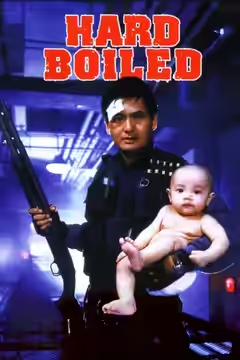
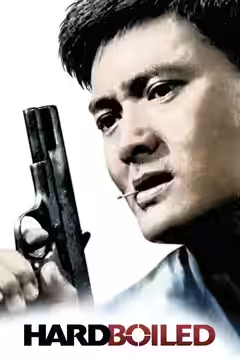
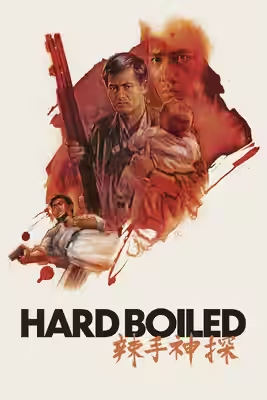
John Woo’s Hard Boiled makes prolonged gunfire exhilarating through precise staging, reckless humour and the chemistry between its leads. The story is thin, and the violence can tire us, but the action earns its excess.
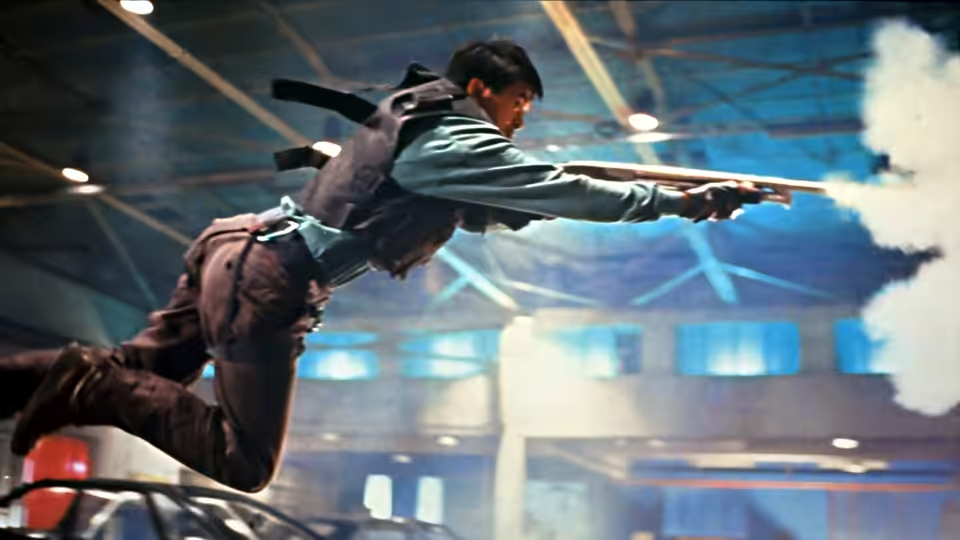
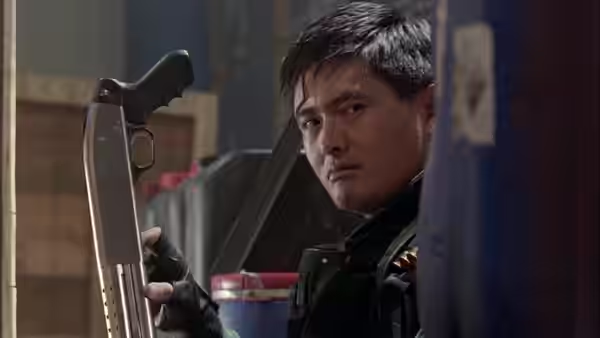
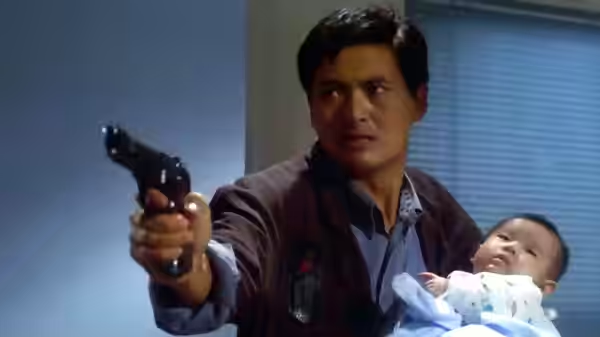
Hard Boiled is an exhilarating action thriller whose thin story is a limitation worth accepting. John Woo takes a renegade cop, an undercover man and Triad gun-runners, then gives their confrontations more attention than their explanations. He wants gunfights to carry suspense, comedy and feeling, and for long stretches they do. The film asks for a considerable appetite for screen violence, but it rewards that appetite with staging we can follow and performances that keep the men distinct.
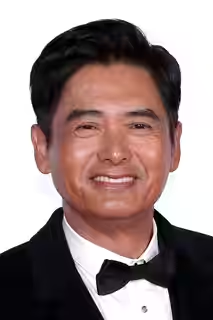
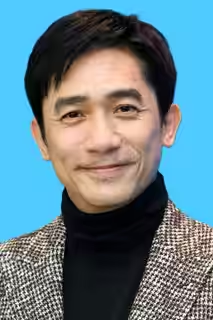
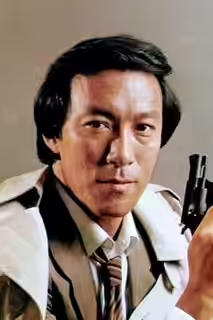
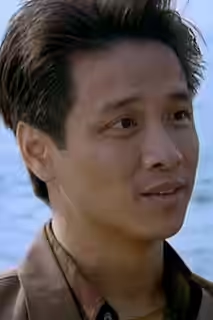
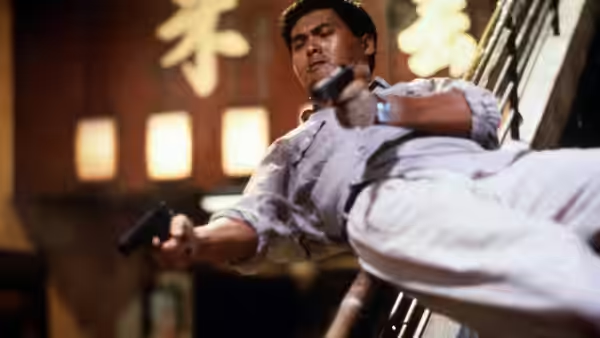
Chow Yun-Fat’s Inspector ‘Tequila’ Yuen gives the film its swagger, while Tony Leung Chiu-wai’s Alan supplies a more guarded presence. Chow makes the policeman’s recklessness enjoyable without making him seem harmless; Leung keeps us looking for the thought behind the action. Their scenes together give the fighting a personal importance that the gun-running plot cannot supply on its own. Woo’s interest in male loyalty can become solemn, but these actors make the men worth watching even when the writing gives them little to work with.
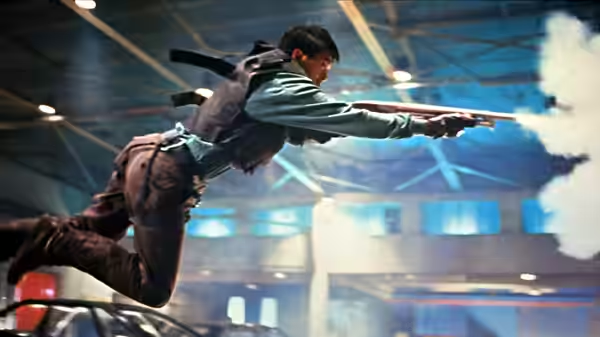
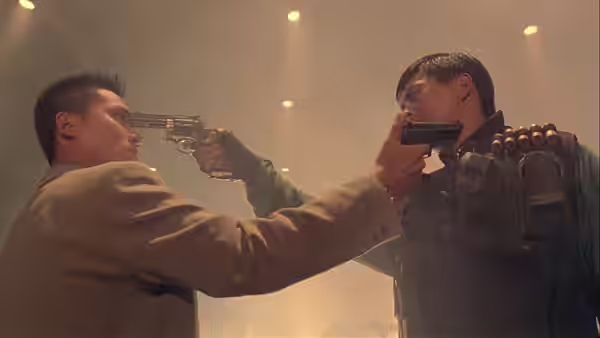
Horace Wong Wing-Hang’s cinematography gives the stylised violence enough clarity for us to appreciate the movement within it. Slow motion can make a gunfight ponderous; here it usually lets an action register before the next one interrupts it. We were exhilarated by those shifts between lingering movement and sudden gunfire. The armed standoffs help too, because Woo finds humour in men trying to look composed while pointing weapons at one another.
The editing, credited to Ah Chik, Hai Kit-Wai, Woo and David Wu, is crucial to that pleasure. The rapid cutting and changes of speed make the violence feel unruly without reducing every encounter to the same burst of noise. James Leung Wah-Sing’s production design gives the action spaces we can read, which matters when so much is happening within them. We need to know where a body can move before we can enjoy the outrageous way Woo gets it there.
Michael Gibbs and James Wong Jim’s music helps maintain the momentum, although the action scarcely needs further encouragement. The greater limitation is Gordon Chan and Barry Wong Ping-Yiu’s screenplay, which gives the central men enough to play but makes their criminal business less compelling than their confrontations. At 126 minutes, the film occasionally has us waiting for the next gunfight rather than caring about the next piece of information. The actors do much of the work of keeping us involved.
We disagree with the cooler critical consensus, particularly the complaint that the violence becomes merely repetitive. There is repetition, and anyone resistant to slow motion will have a long evening, but the changing pace and anarchic humour make these encounters feel different. Woo takes pleasure in the excess without asking us to mistake every burst of gunfire for a profound statement about men. The film is most persuasive when it lets a confrontation tell us who trusts whom.
For all the stylisation, Woo understands a basic pleasure of the crime thriller: watching capable people deal with danger. Chow and Leung give us that pleasure through their contrasting approaches to the fighting, and the humour keeps their seriousness from becoming oppressive. Go in with a high tolerance for gunfire and little need for a complicated police investigation.