David Ayer’s survival thriller earns some affection through Brad Pitt and Odin, then strains it with insistent music and sentiment. We recommend it cautiously for the companionship rather than the suspense.
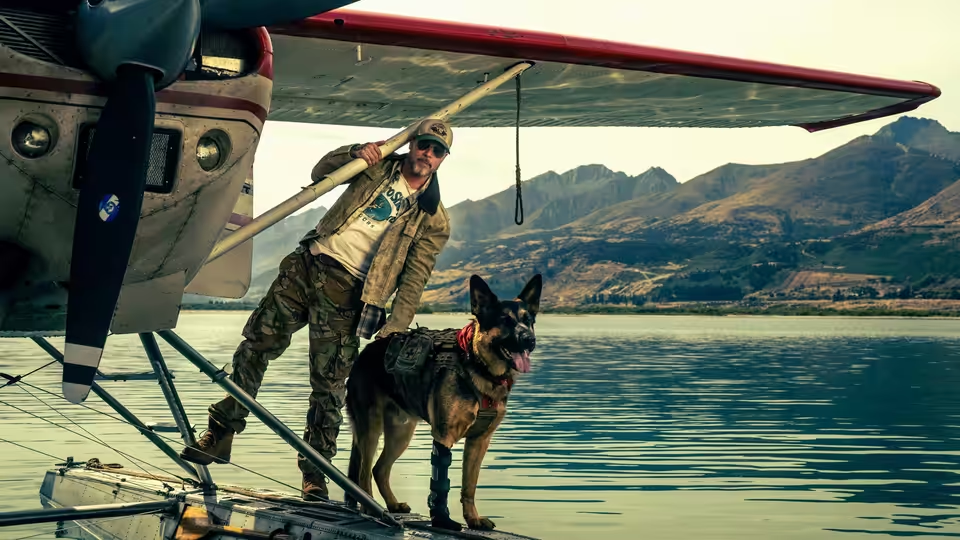
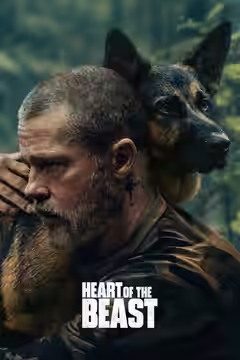
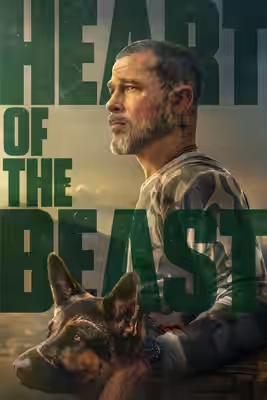
Heart of the Beast is a decent survival adventure with an affecting central relationship and several unnecessary ways of making us notice it. David Ayer puts James Belmont and Odin through wilderness hardship, trusting their companionship enough to make it the centre of the film. Unfortunately, he does not always trust it enough to leave it alone. The quieter passages justify an evening for those who like this kind of story; the more emphatic ones explain why we cannot recommend it much further.
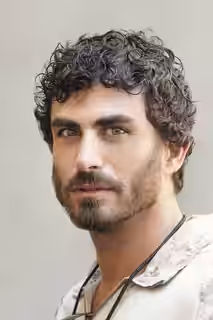
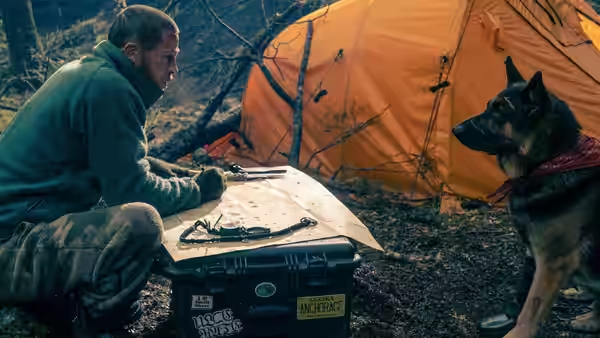
Brad Pitt gives Belmont a reserve that suits the physical struggle, though Cameron Alexander’s screenplay supplies too little character beneath it. We understand the dependence on Odin more readily than we understand the man himself. That limits the drama whenever it asks us to consider something beyond their immediate predicament. Pitt’s restraint nevertheless helps the affectionate passages: he allows the animal beside him to hold our attention without making every exchange an announcement of human suffering.
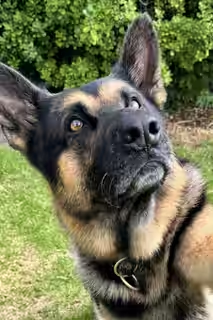
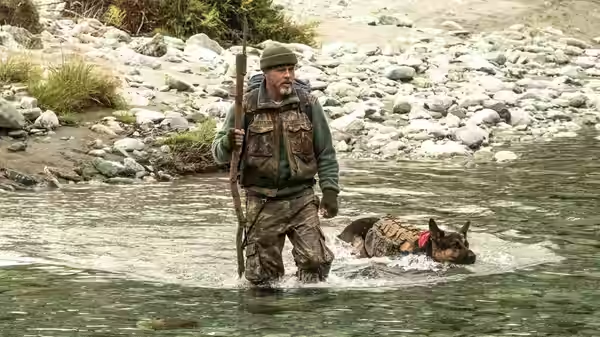
Odin is played by Uber, Seeka, Ryker and Hondo, and the collective performance supplies much of the film’s warmth. Dody Dorn’s editing makes the dog’s reactions feel connected to Belmont’s, giving their companionship a convincing rhythm. We were moved by the quieter passages in which Odin’s breathing becomes audible and his reactions have time to register. Those small details make their dependence feel physical and ordinary, which is enough. We do not need a further reminder of what loyalty means.
Mauro Fiore’s cinematography gives the Alaskan landscapes the scale this adventure needs, and the surroundings remain a substantial pleasure even when the drama becomes familiar. The landscape can hold our attention without another complication being added to the journey. It is harder to identify a comparably distinctive contribution from Greg Berry’s production design, and we would not assign him credit for the scenery. Jared Michael Fry’s score is easier to judge: its insistence repeatedly makes tender material feel overworked. The quieter sound, particularly around Odin, serves the relationship better.
The larger weakness is the succession of difficulties, which too often feels like a conventional survival plot being worked through. Alexander’s sparse writing leaves Belmont thinly drawn, while the flashbacks offer familiar explanations rather than much fresh understanding. Ayer’s reverence for military service further narrows the film’s curiosity about its protagonist. There is room in a survival thriller for a complicated person, even when the immediate business is simply keeping him alive. Here, the dog’s responsiveness sometimes gives us more to think about than the human characterisation.
Against the standards of the genre, the film provides enough hardship, landscape and companionship to be serviceable, with occasional passages that are considerably better. Its sentiment is not wholly unearned; Pitt and the dogs have done the work that makes affection possible. But the music and the increasingly forceful emotional cues keep pressing after the point has landed, and the suspense suffers from the familiarity of the obstacles. Choose it for the man and his dog, with some tolerance for being told how much they matter.