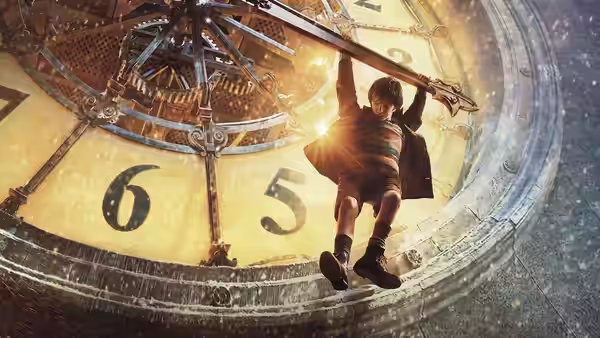
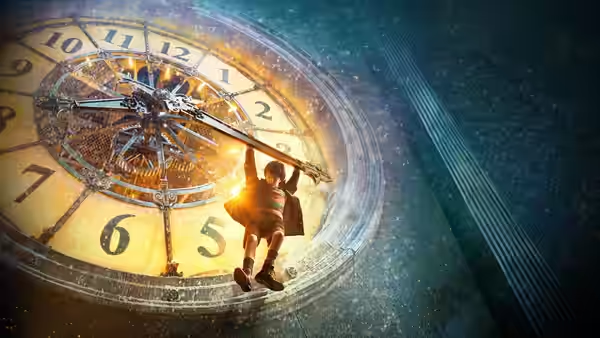
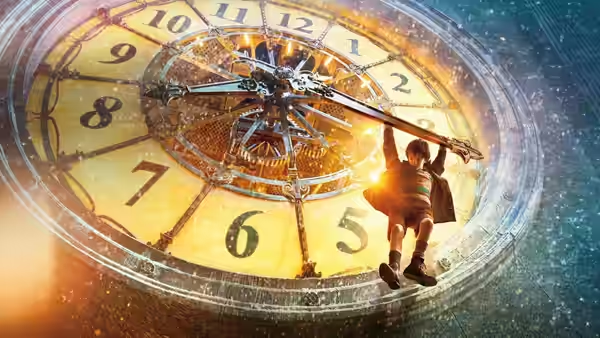
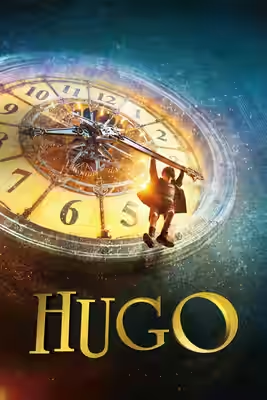
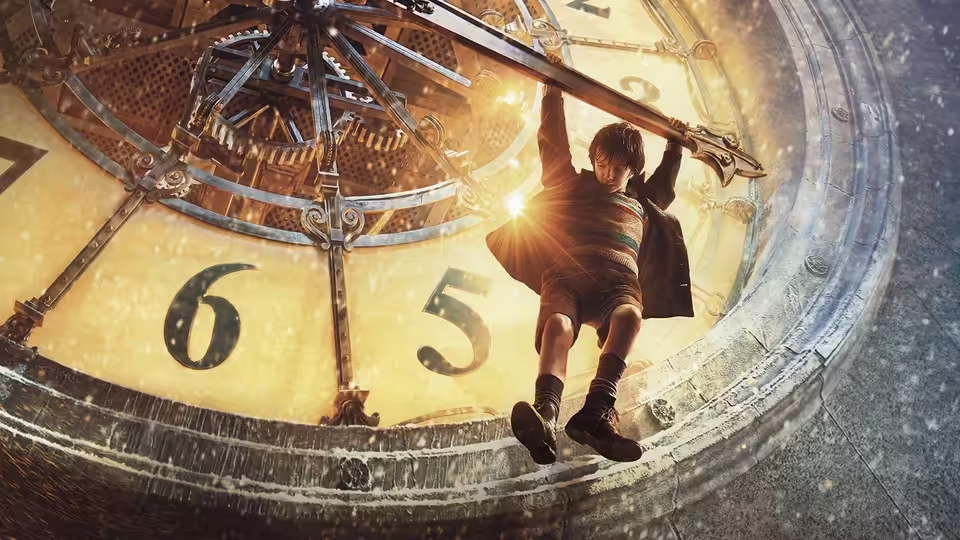
Boy clinging to the hands of a large glowing clock mechanism
Film review

Hugo

2011 · Directed by Martin Scorsese · 2h 06m · MPA PG

In a sentenceWe would happily let Martin Scorsese choose the family film, but somebody else should keep an eye on the clock

In 1930s Paris, Hugo Cabret (Asa Butterfield) is an orphan trying to find a place for himself without parents to guide him. His story brings together Isabelle (Chloë Grace Moretz), Georges Méliès (Ben Kingsley) and the Station Inspector (Sacha Baron Cohen), alongside Uncle Claude (Ray Winstone) and Monsieur Labisse (Christopher Lee). The boy’s search draws him towards the history of early cinema. Questions about art and the people who make it become part of his attempt to understand where he belongs.

Plays from YouTube when you press play; nothing loads from them until then.

Fi1m review

Martin Scorsese’s family adventure is worth the patience for its inventive images and Ben Kingsley’s performance. The history lesson runs long, and the screenplay sometimes explains away the pleasure of discovery.

Martin Scorsese’s Hugo is a warm, inventive family adventure that takes too long to explain why cinema matters. We recommend it for its curiosity and its feeling for neglected people, with a warning that younger viewers may tire before the director does. An orphan’s search for a place in 1930s Paris becomes the way into early film history. The connection makes sense emotionally, even when the storytelling starts to resemble a guided lesson.

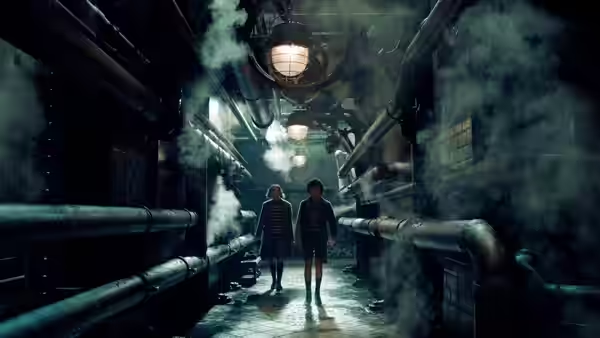
Robert Richardson’s cinematography uses 3D to make the space between foreground and background inviting to explore. Dante Ferretti’s production design gives those images enough detail to reward a wandering eye, and the obvious artifice suits the fantasy. We were delighted by the opening sequence: the depth makes looking into the picture feel like play, with our attention free to move around rather than wait for the next cut. The pleasure survives once we have adjusted to the effect.

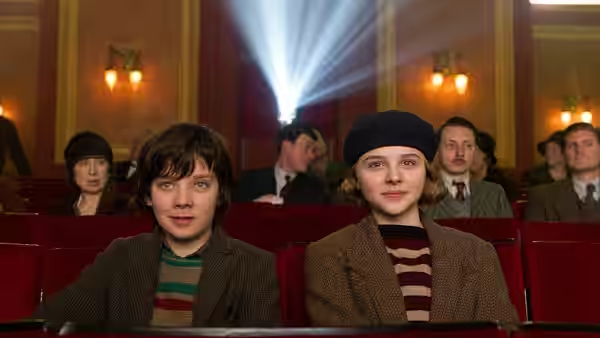
As Hugo Cabret, Asa Butterfield gives the story a seriousness that suits its orphaned child, though the film sometimes asks solemnity to do too much of the work. Chloë Grace Moretz brings a welcome change of energy to Isabelle, and the children’s scenes benefit from that difference. Their performances are more appealing when the screenplay leaves them room to be curious. They are capable of holding our attention without every exchange having to carry an important idea.

Ben Kingsley gives Georges Méliès the weight the film needs, allowing him enough reserve that the warmer moments feel earned. His performance is one reason the sentiment rarely becomes cloying, even when the writing comes close. Sacha Baron Cohen’s Station Inspector provides broad slapstick, which is less dependable. Some of it supplies welcome foolishness; some interrupts the more involving story, and the change of tone can be awkward.

Thelma Schoonmaker’s editing keeps the visual invention legible, but cannot make every digression feel necessary. At 126 minutes, the film gives its enthusiasms more space than the adventure can comfortably fill, and the pauses become noticeable. Howard Shore’s music helps sustain the warmth through those slower passages, though its emotional guidance can feel insistent when the dialogue is already doing the same job. There are stretches where less encouragement to be moved would have left us more room to respond.

The difficulty is John Logan’s screenplay, which becomes too explicit about the value of cinema and its preservation. The subject is worth a child’s attention, and the film’s enthusiasm makes it accessible without suggesting that old work needs apologising for. But the dialogue can sound as though it is checking that we have understood the point, when the images have already given us a reason to care. A little less explanation would have helped the adventure keep moving.

For a family adventure, this asks for more patience than its energetic visual style initially suggests. We would not choose it for children who need a new incident every few minutes, but those interested in how films are made have good reason to stay. There is no need to know early cinema beforehand; the film is certainly not going to leave anyone short of an introduction. Save Hugo for an evening when nobody needs the adventure to hurry.
Critical consensus AI synthesised

70
Positive
15
Mixed
3
Negative
2

Most critics respond warmly to Hugo, with praise clustering around Scorsese’s imaginative use of 3D and his affection for early cinema. The favourable reviews find that the technical craft serves a moving story about childhood, filmmaking and preservation, rather than merely providing spectacle. Several also admire the cast, with Ben Kingsley drawing particular praise, while the recreation of cinema’s past appeals strongly to those who see the film as family entertainment with something worth passing on.

The spread is wide, however, and the main disagreement concerns whether that enthusiasm sustains the story. Even sympathetic reviews note patchy plotting, overlength or material that may weigh heavily on children. The Independent finds the plot too thin to support the film history lesson, while the Evening Standard finds the young leads unengaging and the script over-explicit. For the dissenters, the impressive 3D cannot compensate for an adventure that becomes a lecture.

The New Yorker
28 November 2011 · David Denby
90*

Scorsese directs a 3-D film that celebrates early cinema in a beautifully told and emotionally satisfying story. It sums up the cinematic past while pushing forward with new technologies.

Read the full review →
Variety
18 November 2011 · Peter Debruge
90*

Scorsese has fashioned a timeless film that rewards patience and curiosity while defying typical kidpics. It celebrates cinema history through the story of an orphan and a forgotten filmmaker.

Read the full review →
Empire
21 July 2010 · festival review · Kim Newman
80*

Scorsese's film is a French-accented valentine to the wonders of movies and an attempt to redeem modes of filmmaking once cast aside. It offers excitement and enchantment in equal measure and is likely to become a lasting favourite.

Read the full review →
Screen Daily
19 November 2011
80*

Scorsese has turned the young adult novel into a warm and delightfully engaging family film that makes refreshing use of 3D and spins his love of early cinema into a moving fable about art and self-discovery.

Read the full review →
Time Out
23 November 2011 · ★★★★ · Cath Clarke
80

Scorsese's most personal film is a love letter to cinema and the magic of celluloid, even as it appears to be a 3D kids' adventure set in 1930s Paris. The dazzling visuals and faith in movies are intoxicating, though the story feels patchy in places.

Read the full review →
Total Film
29 November 2011
80*

The film is an enchanting, funny, heartfelt love-letter to French film pioneer Georges Méliès and to cinema itself. Scorsese revels in using 3D technology to reach back into cinema's past.

Read the full review →

Straight answers AI written, from our review

Is Hugo worth watching?
Hugo is worth watching for families who can sit through a slow, affectionate lesson in early cinema, and we scored it 76. Robert Richardson's 3D images and Ben Kingsley's Georges Méliès are the reasons to stay; at 126 minutes, children who need a new incident every few minutes will tire before the director does.
How long is Hugo, and what is it rated?
Hugo runs 2h 06m and is rated PG by the MPA in the US. It is an adventure and drama film.
Where can I watch Hugo in the US?
Hugo is streaming on The Roku Channel and Amazon Prime Video in the US, and it is also available to rent from Amazon Prime Video from $4.99. It leaves The Roku Channel on 1 October. Availability is checked daily; the links above go straight to each service.
How does Hugo compare to Cinema Paradiso?
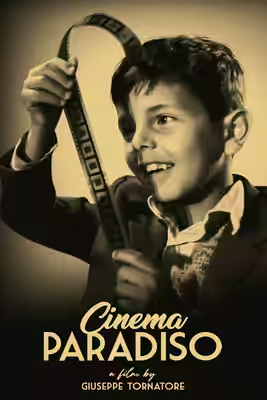
Hugo is a family adventure that uses an orphan's search in 1930s Paris to reach early film history, while Cinema Paradiso is a village drama about a boy's friendship with a projectionist. Both are tender and both lean on sentiment, but Tornatore's film has the more persuasive central relationship, and Scorsese's has the more inventive images and the longer lecture.
What should I watch after Hugo?
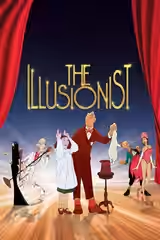
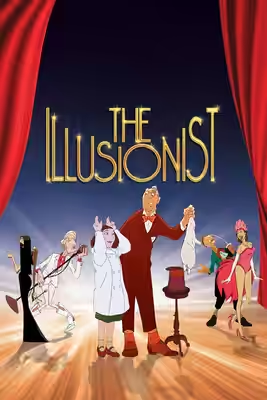
After Hugo, try Cinema Paradiso (1988, Fi1m 84): For another childhood spent discovering how much a cinema can mean. Then The Spirit of the Beehive (1973, Fi1m 87): For adults, a child’s encounter with cinema becomes something quietly unsettling; and The Illusionist (2010, Fi1m 78): Animation about an ageing entertainer, with the sadness allowed to stay.

Cast

Awards

Academy Awards, 2012

Nominated
Best Costume Design
Nominated
Best Director
Nominated
Best Film Editing
Nominated
Best Original Score
Nominated
Best Picture
Nominated
Best Writing, Adapted Screenplay
Won
Best Cinematography
Won
Best Production Design
Won
Best Sound
Won
Best Sound Editing
Won
Best Visual Effects

BAFTA Film Awards, 2012

Nominated
BAFTA's Children & Young People Award - Feature Film

Saturn Awards, 2012

Won
Best Production Design

If you liked this, try…

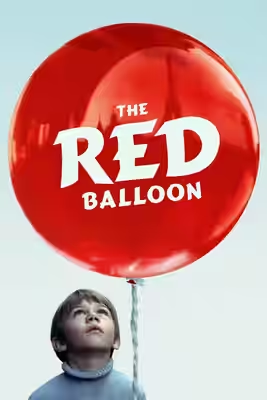
  1. The Red Balloon (1956) · not reviewed yetA child’s Paris adventure, told with fewer words and a sharper sting.

  2. Cinema Paradiso (1988, Fi1m 84)For another childhood spent discovering how much a cinema can mean.

  3. The Spirit of the Beehive (1973, Fi1m 87)For adults, a child’s encounter with cinema becomes something quietly unsettling.

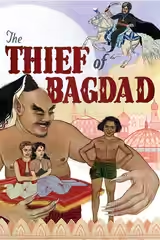
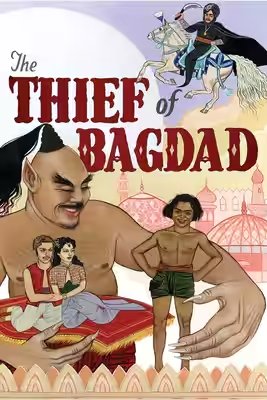
  4. The Thief of Bagdad (1940) · not reviewed yetA fantasy adventure whose handmade wonders reward the same patient attention.

  5. The Illusionist (2010, Fi1m 78)Animation about an ageing entertainer, with the sadness allowed to stay.

Free account

Know what to watch tonight

Two lists that know where things are streaming, collections you can share, your own score beside ours, and Discover that remembers what you have seen.

  • Want to see, sorted by what is streaming now
  • Seen, with your score out of ten
  • No adverts, ever