Eli Roth’s killer-kids horror has one idea, an ice cream van whose treats turn a suburb’s children on their parents, and spends 86 minutes repeating it. The practical gore is committed; the script and the jokes are not, and most critics are right about it.
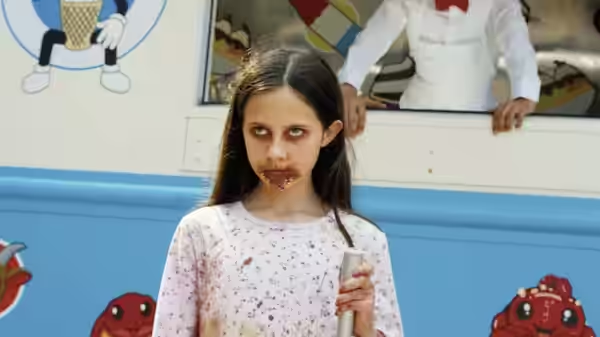
Eli Roth has made a film about an ice cream man whose treats turn a street’s children into murderers, and he has made it in 86 minutes with an 18 certificate, which tells you most of what he intends. The script, by Roth and Noah Belson, is a comic strip: the van arrives, the children eat, the adults die, and the panel repeats. There is a good, nasty little idea in there, the one thing every parent hands a child without thinking used as the weapon. The film has it for about twenty minutes and then does nothing with it but the same thing again. It is poor, and most critics have said so, and we agree with them.
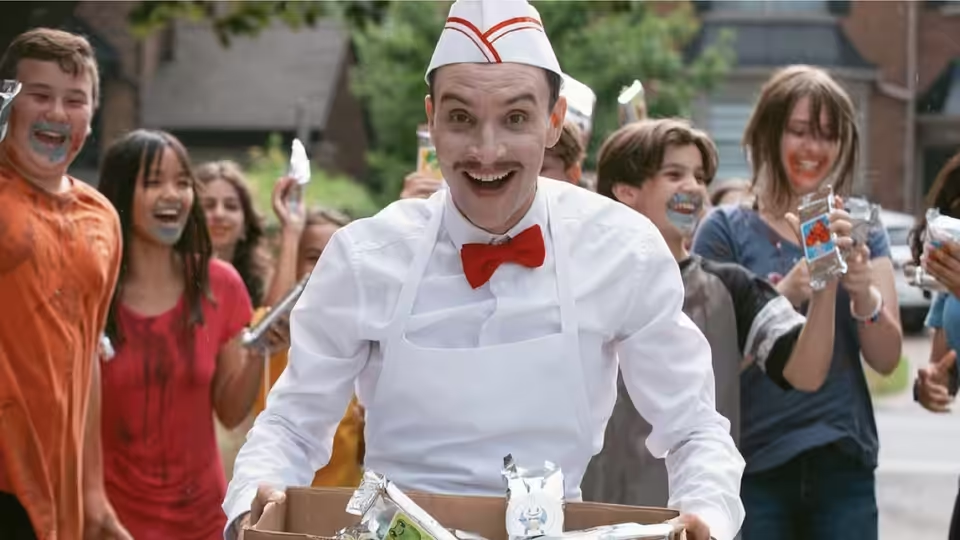
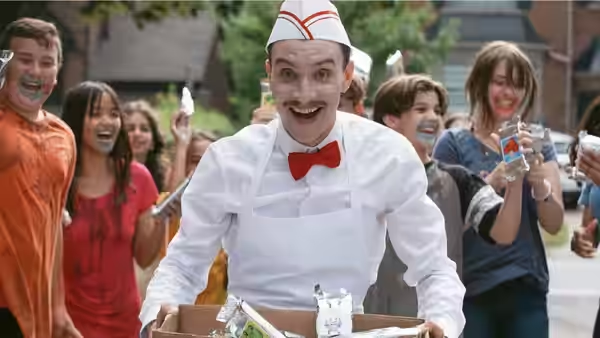
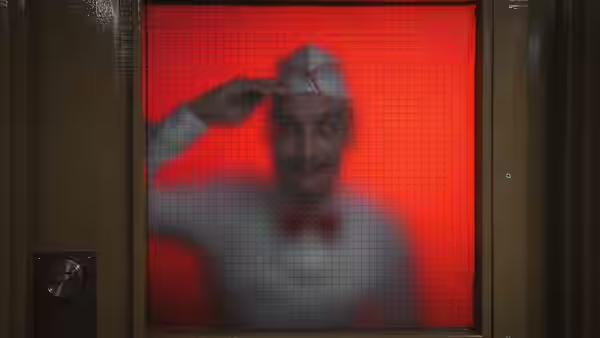
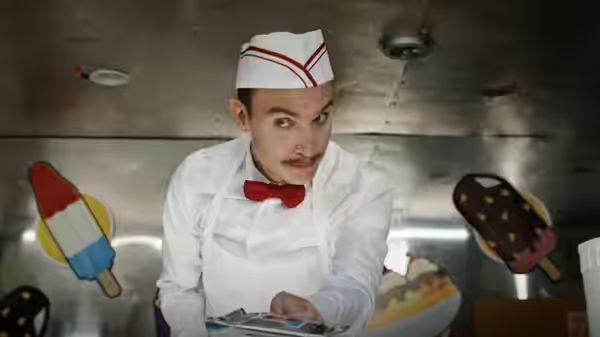
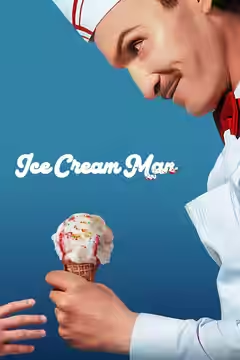
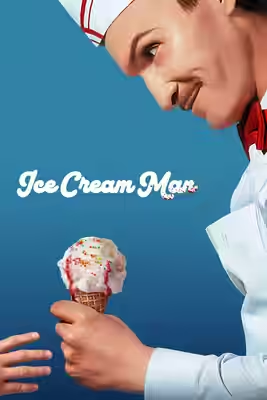
The ice cream man himself is the best thing here. Ari Millen plays Jonathan Smiley with a fixed grin and a voice pitched somewhere between a children’s presenter and a dentist, and he never raises it, which is the right choice in a film where everyone else is shouting. Jenifur Jarvis puts him in the white uniform and cap you would expect, and the more blood lands on it the more wrong he looks. We were unnerved by him early, before anyone had died, in a scene where he simply waits at the kerb with the engine running. Then the film gives him almost nothing else to do.
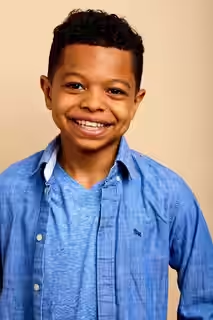
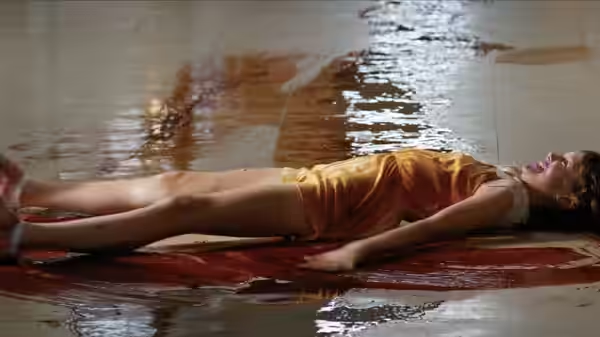
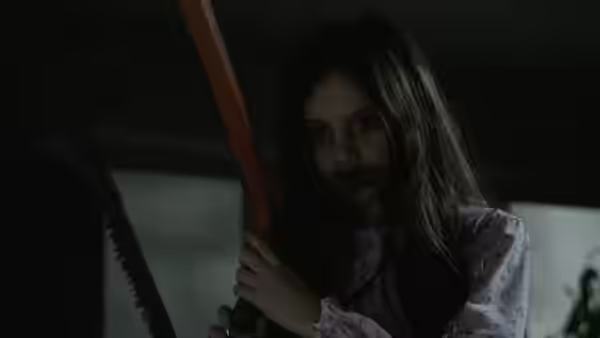
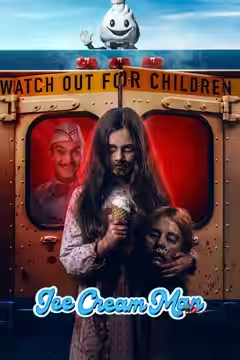
The killings are practical, which we will count in the film’s favour. Latex tears, blood pumps, and a great deal of it ends up on the kitchen floor. The children, Jared (Charlie Zeltzer), Benji (Kole Parks), Tommy (Shiloh O’Reilly), Mia (Kiori Mirza Waldman) and Lizzie (Sarah Abbott), go at the adults with whatever is to hand, and the first time it happens we laughed, out loud, at a child’s complete lack of hesitation. By the fourth we had stopped laughing and started checking the time, because every kill is the same shape: a grown-up turns round, a small figure is behind them, something sharp, cut. Matt Lyon edits each one to the same beat, and the beat never varies. Brandon Roberts’s score keeps signalling a decade the film would rather have been made in.
Simon Shohet shoots it on digital, flat and bright, so the suburb looks like a suburb at three in the afternoon and never like anywhere a horror film would want to be. Peter Mihaichuk’s van is the one designed object with any character; the houses around it are just houses. The jokes, and there are many, are the kind that announce themselves a line early, and the actors deliver them as if they had been told the audience would be laughing already. Roth casts himself as Marty, one of the adults, and plays him with a grin that suggests he is having a better time than we are. Karen Cliche, as Alison, is the only grown-up playing the fear straight, and she is right to.
Benjamin Byron Davis’s priest carries the backstory, delivered in a few speeches that explain where Smiley comes from and why. It is the sort of explanation that makes a monster smaller, and the film would be better without it. We will say nothing about where the story goes, except that the last stretch turns meaner than anything before it, and the meanness does not read as a point.
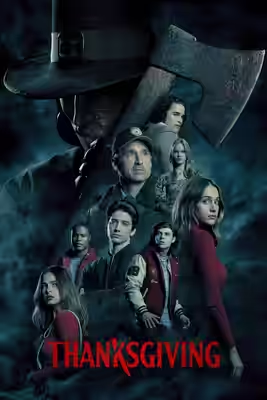
Roth’s Cabin Fever (2002) and Hostel (2005) were unpleasant with some conviction, and Thanksgiving (2023) showed he could still stage a set piece with a beginning and an end. This is a step down from all three. It has the gore of those films without their patience, and it treats its audience as people who will sit through anything so long as somebody is bleeding.
Anyone who buys a ticket for the practical effects will get what they paid for, and roughly nothing else. The rest of us were bored by the halfway mark of a film that is not long enough to be boring, which takes some doing.