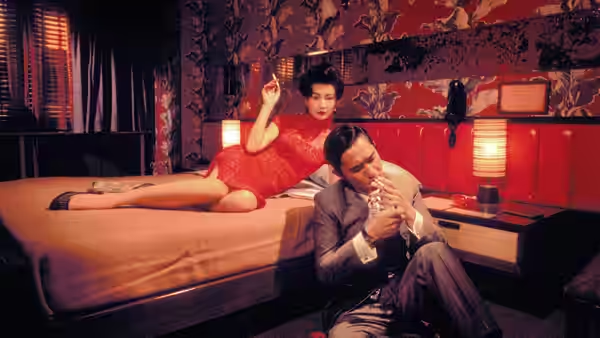
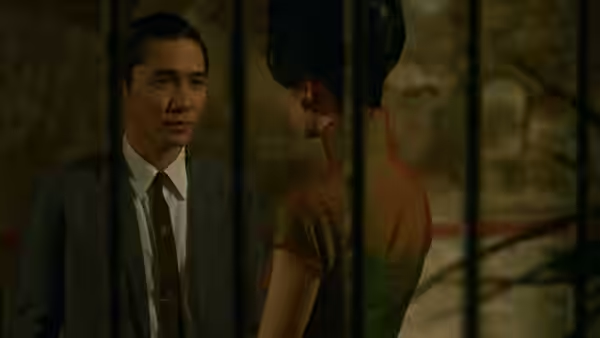
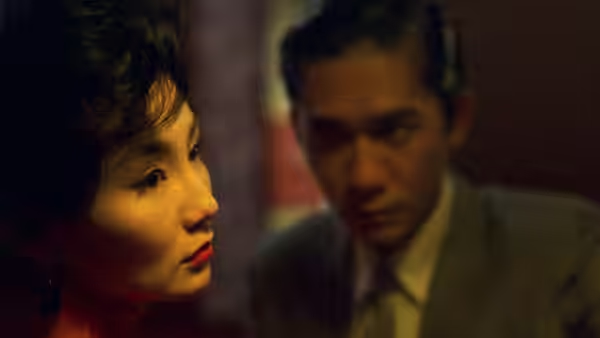
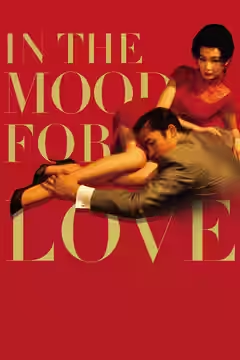
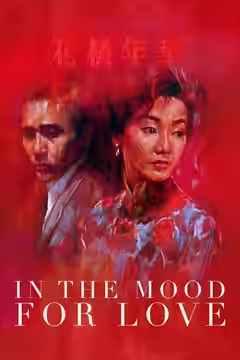
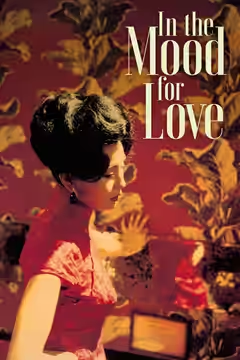
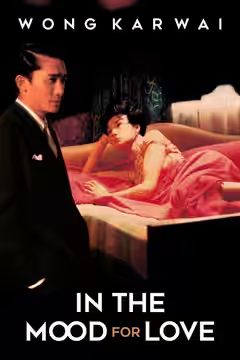
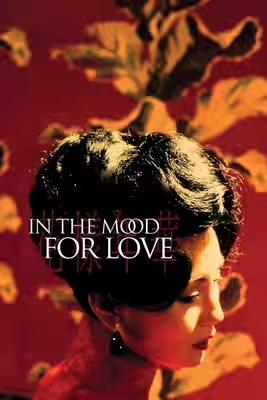
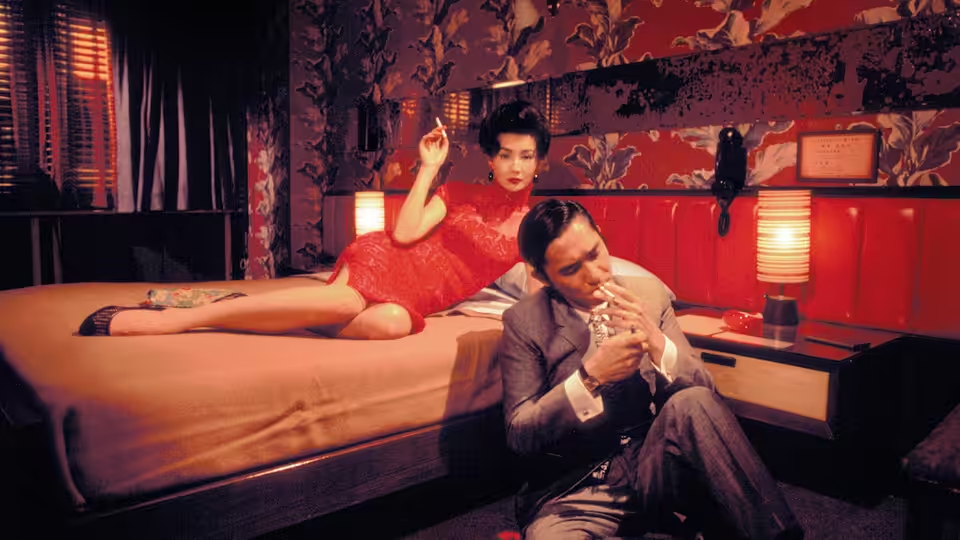
Su Li-zhen (Maggie Cheung) reclines on a bed while Chow Mo-wan (Tony Leung) smokes on the floor
Film review

In the Mood for Love

2000 · Directed by Wong Kar-Wai · 1h 39m · MPA PG

In a sentenceTwo people being so polite that we wanted to ask the entire neighbourhood to leave

In 1960s Hong Kong, Su Li-zhen (Maggie Cheung) and Chow Mo-wan (Tony Leung Chiu-wai) are married neighbours who discover that their spouses are having an affair. As they spend time together, sympathy becomes an attraction neither can easily acknowledge. Around them, the routines of neighbourly life continue: mah-jongg, tea and conversations in cramped rooms. Their own attachment develops under the pressure of social expectations and their wish to behave properly. Written and directed by Wong Kar-Wai, the film follows two people trying to understand what has happened to their marriages while becoming increasingly concerned with each other.

Plays from YouTube when you press play; nothing loads from them until then.

Fi1m review

Wong Kar-Wai makes a deeply moving romance from two people struggling to behave properly. Maggie Cheung and Tony Leung Chiu-wai justify the patience it asks for, even when the repeated slow passages become a little insistent.

We would recommend In the Mood for Love to people who usually avoid screen romances. Wong Kar-Wai, who writes and directs, starts with two married neighbours discovering that their spouses are having an affair. In 1960s Hong Kong, Su Li-zhen and Chow Mo-wan draw closer while trying to remain respectable. The film takes their concern about how to behave seriously. It also understands how exhausting that concern can become.

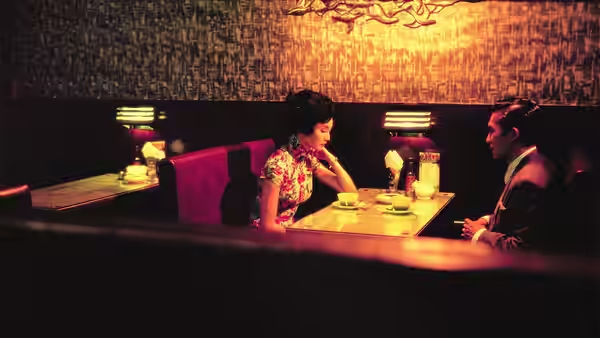
Maggie Cheung plays Su with a composure that makes the slightest change in expression worth watching. Tony Leung Chiu-wai’s Chow is equally careful, and their chemistry depends on how much attention each pays the other while keeping the conversation polite. We ached for them during those courteous exchanges over tea. The actors make us feel the effort of speaking ordinarily when each response matters far too much. Neither performance needs a raised voice to make a scene painful.

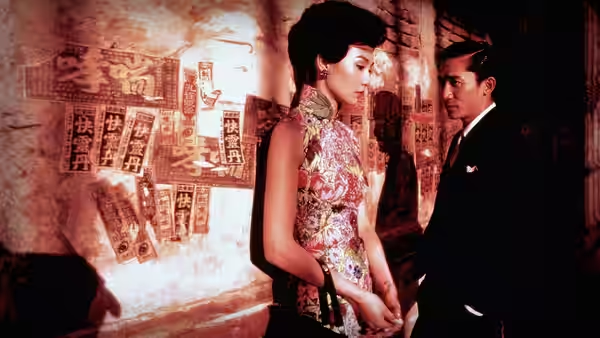
Cinematographers Christopher Doyle and Mark Lee Ping-Bing make the cramped interiors matter in almost every composition. Their layered framing keeps us aware of the room around the couple, so privacy feels difficult even when our attention is entirely on their faces. William Chang Suk-Ping’s production design makes those rooms feel inhabited and constricting. The colours are rich, but the people have little room to move. We understand the pressure of neighbours without needing a speech about social convention.

Chang also designs the costumes, and Cheung’s clothes keep drawing our eye back to the effort of looking composed. The attention paid to dress and hair could easily turn Su into something to be admired at a distance. Cheung prevents that by making her movements feel considered, as though she must think about how she appears even when she has something more pressing on her mind. The clothes make good manners seem physically demanding.

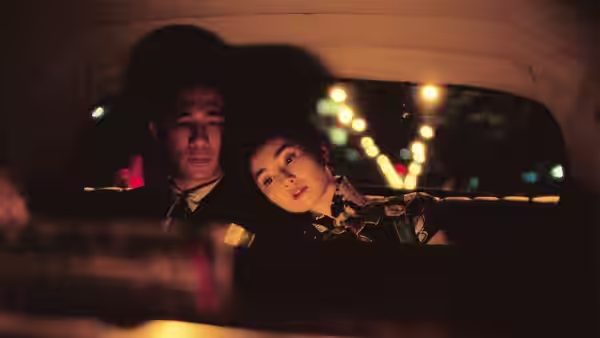
Editors William Chang Suk-Ping and Chan Ki-Hop do not build a steady chain of events for us to follow. Scenes seem to survive as selected moments, with the gaps between them making us watch the next encounter more closely. The slowed movement gives a passing look more time to register than ordinary conversation allows. Music credited to Michael Galasso and Shigeru Umebayashi makes the romantic feeling audible while the characters keep their language guarded. The pacing asks us to attend to small changes, and the performances reward that attention.

We do have one reservation: the repetition sometimes insists on a feeling that Cheung and Leung have already made clear. Another lingering passage can briefly make us conscious of the technique when we would rather stay with the people. Anyone wanting a complicated story may find the 99 minutes slow, because the film keeps returning to the same emotional difficulty instead of multiplying incidents. We felt that impatience occasionally, but never enough to want the central performances hurried.

Romantic melodrama often gives its characters a chance to declare themselves at length. Here, a courteous conversation is enough to show what a declaration would cost. There is pleasure in watching actors trusted to make so little speech carry so much feeling, even when it hurts. Give this your undivided attention, and do not choose it for an evening when you need everyone to say what they mean.

Critical consensus AI synthesised

84
Positive
13
Mixed
1
Negative
0

Most critics admire this as a study in controlled longing, and the praise gathers almost entirely in two places: Wong Kar-wai’s direction and the two leads. Reviewers return again and again to the cramped 1960s interiors, the colour, the slowed rhythm and the sense that the whole film is being remembered rather than watched. Tony Leung and Maggie Cheung are singled out for conveying everything without saying much, and Cheung in particular draws repeated attention for the way the sadness sits in her movement and posture.

The reservations come from the same restraint. Variety, reviewing from the festival, admires the visuals and performances but finds the melodrama too slight to leave a lasting mark, and The New Yorker calls it accomplished but peculiar, a film that refuses the emotional payoff it spends its length preparing. The spread is narrow: one mixed notice, none negative, and the later reviews are, if anything, firmer in their admiration than the first.

Empire
1 January 2000 · David Parkinson
90*

The critic praises Wong Kar-Wai for shifting to more traditional storytelling in this tale of hesitant romance between neighbours in 1960s Hong Kong whose spouses are having an affair. Performances and photography are singled out as masterful and beautiful, making it an astounding achievement and sublime cinema.

Read the full review →
Film Comment
1 January 2001 · Kent Jones
90*

The critic praises Wong Kar-wai's return to a more contemplative style in this story of repressed longing between two neighbors in 1960s Hong Kong, highlighting the film's visual and rhythmic elegance. Maggie Cheung's performance is singled out as heroic and radiant, capturing the sadness of self-censorship and propriety.

Read the full review →
Little White Lies
30 June 2025 · Mick Gaw
90*

Twenty-five years after its première, the film continues to be one of the most viewed and discussed in the contemporary cinematic landscape, with its cult status undeniable. Wong's magnum opus realizes an interpersonal connection that transcends the framework of modern distractions, mining for the raw essence of a feeling through restraint and nostalgia.

Read the full review →
Los Angeles Times
2 February 2001 · Kenneth Turan
90*

The critic hails the film as a swooningly cinematic exploration of romantic longing that luxuriates in atmosphere, color, texture, and suppressed emotion, crediting Wong's visual assurance and the leads' chemistry for its hypnotic effect.

Read the full review →
Slant Magazine
2 May 2001 · Ed Gonzalez
90*

The critic calls the film a ravishing evocation of an unconsummated romance tested by emotion and culture. They single out Wong’s impeccable use of interior space and mise-en-scène that displaces desire into the visuals and soundtrack.

Read the full review →
The AV Club
2 February 2000 · Scott Tobias
90*

The critic praises the film’s ravishing beauty and its collection of vivid, slowed-down moments that feel like memory. They single out the natural chemistry of Leung and Cheung and the intensification of romantic longing amid social constraints.

Read the full review →

Straight answers AI written, from our review

Is In the Mood for Love worth watching?
In the Mood for Love is worth watching for anyone prepared to give a quiet romance their undivided attention, and we scored it 91. Maggie Cheung and Tony Leung Chiu-wai make polite conversation over tea painful to watch, which is the point. Viewers who want incident may find the 99 minutes slow, since the film returns to the same difficulty rather than adding events.
How long is In the Mood for Love, and what is it rated?
In the Mood for Love runs 1h 39m and is rated PG by the MPA in the US. It is a drama and romance film.
Where can I watch In the Mood for Love in the US?
In the Mood for Love is streaming on HBO Max and Amazon Prime Video in the US, and it is also available to rent from Amazon Prime Video from $2.99. Availability is checked daily; the links above go straight to each service.
How does In the Mood for Love compare to Brief Encounter?
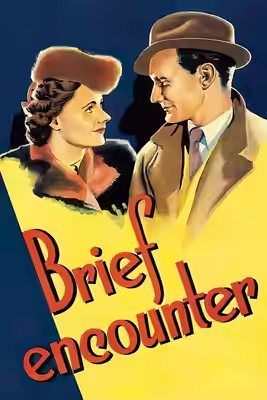
In the Mood for Love and Brief Encounter are both romances in which ordinary good manners make forbidden affection harder to bear, and we would urge a stranger to see either. Wong Kar-Wai's film is the slower and more visual of the two, working through composition, costume and repeated passages rather than dialogue. David Lean's is the more direct and the easier evening.
What should I watch after In the Mood for Love?
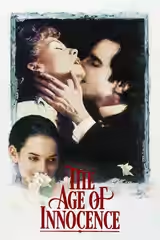
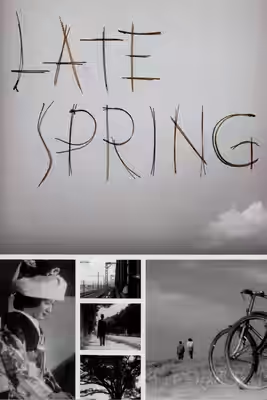
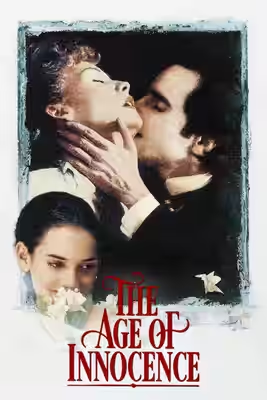
After In the Mood for Love, try Brief Encounter (1945, Fi1m 90): Another romance in which ordinary courtesy makes forbidden affection harder to bear. Then Late Spring (1949, Fi1m 92): Family duty and private feeling, observed through small changes in behaviour; and The Age of Innocence (1993, Fi1m 86): Elaborate clothes and social rules make even a glance feel dangerous.

Cast

Awards

Australian Film Institute Award for Best Foreign Film, 2001

Nominated
Australian Film Institute Award for Best Foreign Film

BAFTA Film Awards, 2001

Nominated
Best Film Not in the English Language

Broadcast Film Critics Association Award for Best Foreign Language Film, 2001

Nominated
Broadcast Film Critics Association Award for Best Foreign Language Film

César Award for Best Foreign Film, 2001

Won
César Award for Best Foreign Film

German Film Award for Best No-German Film, 2001

Won
German Film Award for Best No-German Film

Hong Kong Film Award for Best Actor, 2001

Won
Hong Kong Film Award for Best Actor

Hong Kong Film Award for Best Actress, 2001

Won
Hong Kong Film Award for Best Actress

Hong Kong Film Award for Best Cinematography, 2001

Nominated
Hong Kong Film Award for Best Cinematography

Hong Kong Film Award for Best Director, 2001

Nominated
Hong Kong Film Award for Best Director

Hong Kong Film Award for Best Film, 2001

Nominated
Hong Kong Film Award for Best Film

Hong Kong Film Award for Best New Performer, 2001

Nominated
Hong Kong Film Award for Best New Performer

Hong Kong Film Award for Best Screenplay, 2001

Nominated
Hong Kong Film Award for Best Screenplay

Hong Kong Film Award for Best Supporting Actress, 2001

Nominated
Hong Kong Film Award for Best Supporting Actress

Independent Spirit Awards, 2001

Nominated
Best Foreign Film

International Submission to the Academy Awards, 2001

Nominated
International Submission to the Academy Awards

National Society of Film Critics Award for Best Cinematography, 2001

Won
National Society of Film Critics Award for Best Cinematography

National Society of Film Critics Award for Best Foreign Language Film, 2001

Won
National Society of Film Critics Award for Best Foreign Language Film

Cannes Film Festival, 2000

Won
Best Actor

European Film Award for Best Non-European Film, 2000

Won
European Film Award for Best Non-European Film

If you liked this, try…

  1. Brief Encounter (1945, Fi1m 90)Another romance in which ordinary courtesy makes forbidden affection harder to bear.

  2. Late Spring (1949, Fi1m 92)Family duty and private feeling, observed through small changes in behaviour.

  3. The Age of Innocence (1993, Fi1m 86)Elaborate clothes and social rules make even a glance feel dangerous.

  4. A Summer's Tale (1996) · not reviewed yetFor more romantic hesitation, with daylight, conversation and a lighter touch.

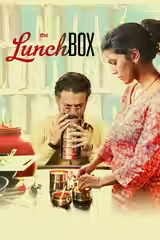
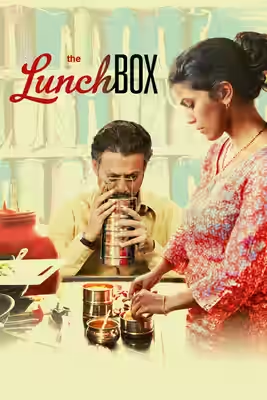
  5. The Lunchbox (2013, Fi1m 75)An indirect courtship that gives ordinary routines an unexpected emotional importance.

Free account

Know what to watch tonight

Two lists that know where things are streaming, collections you can share, your own score beside ours, and Discover that remembers what you have seen.

  • Want to see, sorted by what is streaming now
  • Seen, with your score out of ten
  • No adverts, ever