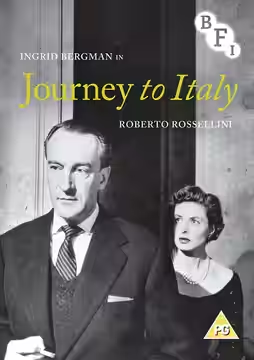
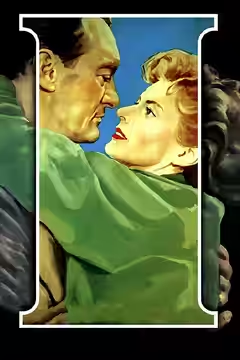
Roberto Rossellini’s marriage drama is moving and unusually attentive to the hurt behind a civil conversation. Ingrid Bergman gives us reason to care about these difficult people, though some slow stretches test that sympathy.
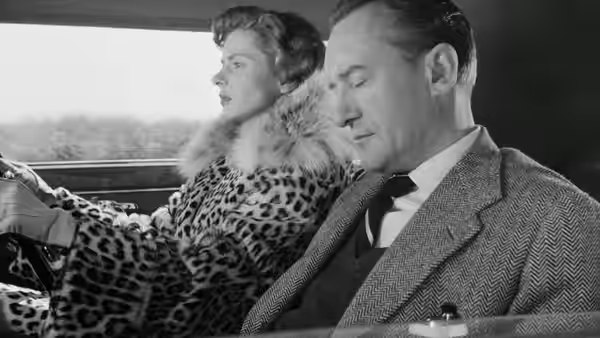
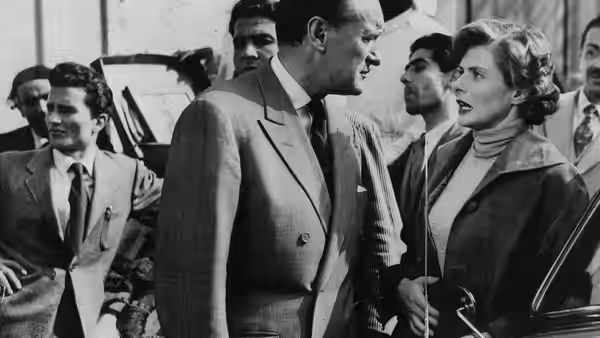
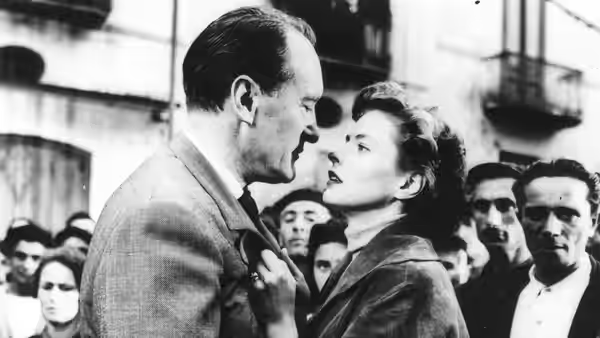
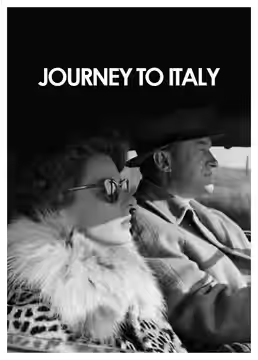
Roberto Rossellini’s Journey to Italy watches an English couple in Naples discover how little they enjoy each other’s company. We recommend it warmly, though its slow pace occasionally leaves an awkward scene sitting there after we have understood it. The trip is ostensibly about selling property, which ought to give husband and wife something practical to discuss. The trouble is that there is no longer much they can say without making things worse.
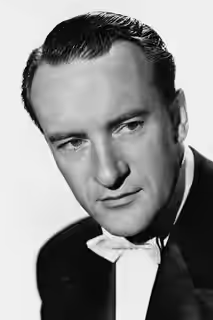
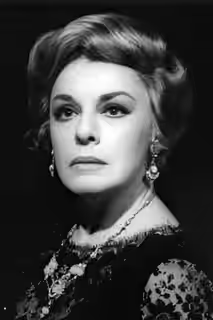
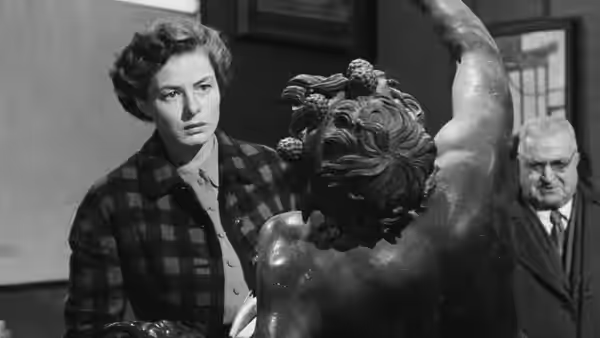
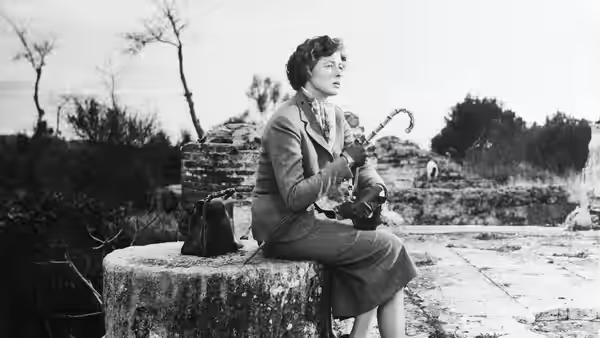
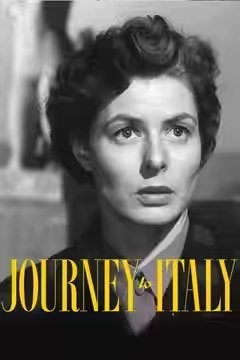
Ingrid Bergman makes Katherine Joyce’s unease painfully legible without turning every hurt into a demand for sympathy. We winced at the effort she puts into keeping her composure around her husband. Her face keeps giving away the distress that an ordinary conversation is supposed to conceal. George Sanders plays Alex Joyce with a stiffness that makes the exchanges harder to bear. He does not soften every unkindness with a hint that we ought to like him underneath, and that helps us believe how tiring his company has become.
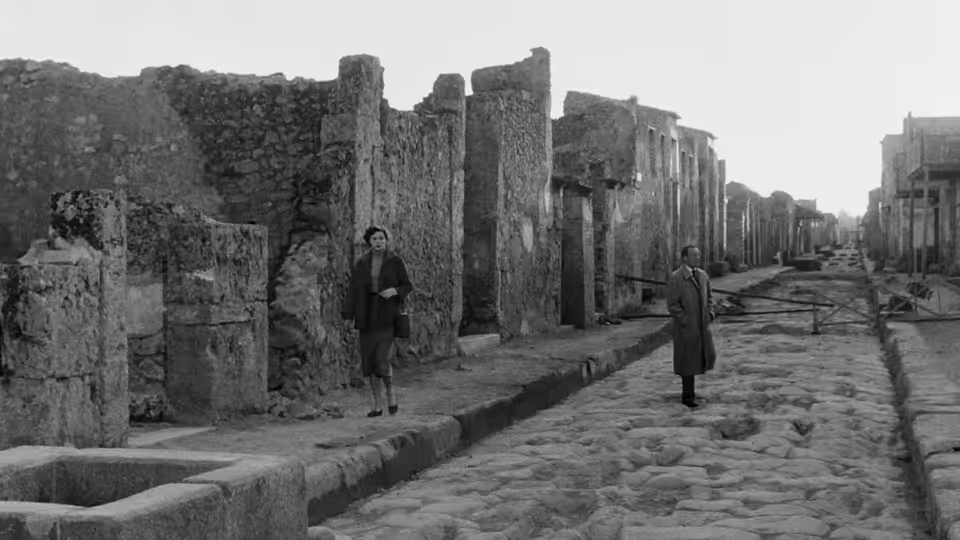
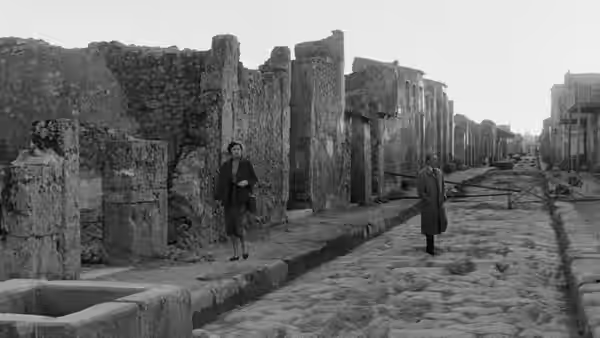
The film gives the couple no comfortable separation from the place they are visiting. Italy’s ancient remains and local customs keep interrupting their private unhappiness, and the interruptions are allowed to take time. Enzo Serafin’s cinematography makes that attention worthwhile: the surroundings feel substantial enough to demand a proper look even when the marriage has slipped from view. Naples never settles into a pleasant background against which two visitors can conduct their rows. We begin looking around with Katherine, alert to how much there is here that neither spouse can dismiss.
Jolanda Benvenuti’s editing preserves the awkwardness of moving between a marriage in trouble and a place that has other business to attend to. We do not always get a neat explanation of what a visit has changed before the film moves on. That can be compelling, because hurt often becomes clear only after the conversation is over; it can also feel disjointed. Renzo Rossellini’s music helps keep sympathy alive through the cooler exchanges, without making either spouse much more likeable. The uncertainty is worth keeping, even if a little more pace would sometimes help.
Piero Filippone’s production design is usefully unobtrusive, keeping us from treating every surrounding object as a clue to the couple’s unhappiness. There is already plenty for them to misunderstand in each other. The screenplay by Roberto Rossellini and Vitaliano Brancati is less sure when it needs their exchanges to carry a whole stretch unaided. Some dialogue feels stiff without revealing anything further about the people saying it. A few of those scenes could be shorter without costing us anything we need.
At 85 minutes, it asks for less time than its reputation for slowness might suggest. Those expecting a romantic drama to provide agreeable company should make other plans. We would give it an uninterrupted viewing, especially for Ingrid Bergman and the close attention she rewards even when little seems to be happening. Perhaps save it for a night when nobody has suggested a holiday to put things right.