Mike Leigh makes an ordinary family’s disappointments funny without making them trivial. The performances reward patience and the affection feels earned, though the broader comic turns sometimes push people towards caricature.
Life Is Sweet is a warm, funny film about the effort of remaining cheerful when life gives little encouragement. Mike Leigh writes and directs a comedy-drama built around a lower-middle-class family, finding plenty to occupy him in work, parents and children. We recommend it, with a reservation about the comic exaggeration that occasionally makes a character look merely foolish. At 103 minutes, it asks us to pay attention to people whose disappointments are hardly unusual, and makes that attention worthwhile.
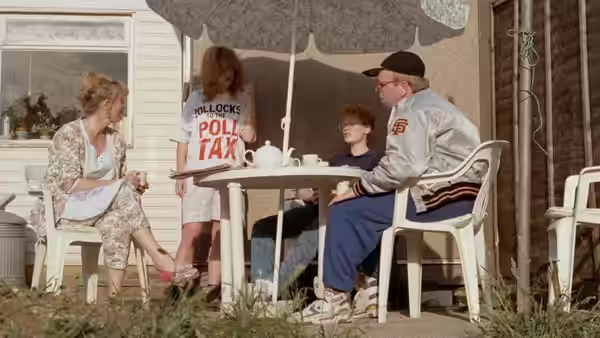
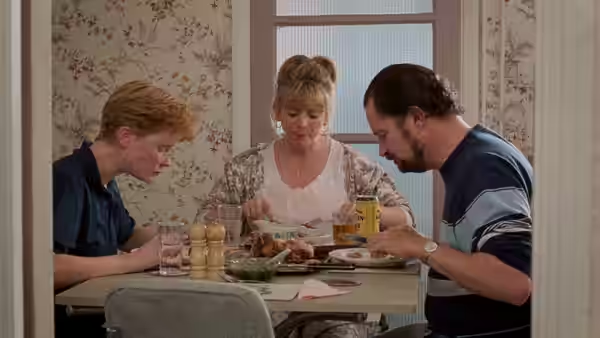
Alison Steadman’s Wendy and Jim Broadbent’s Andy give the film much of its warmth. The parents’ determination to stay optimistic moved us more than we expected, because Leigh keeps their unfulfilled hopes in view while allowing their attempts at enterprise to be funny. Their persistence could have become an instruction to count our blessings; these performances spare us the lecture. We believe in the effort involved, including the possibility that being cheerful will not improve anybody’s circumstances.
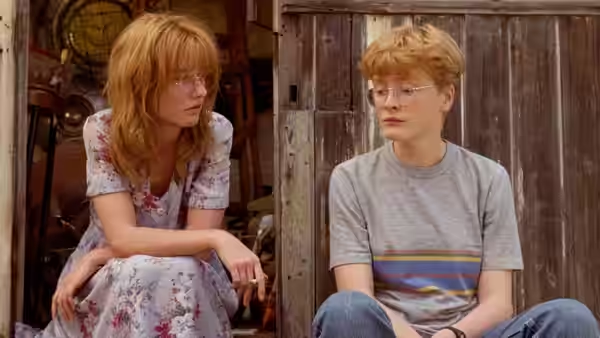
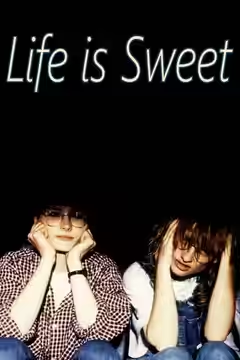
The contrast between the twin daughters gives Leigh something less comfortable to explore. Claire Skinner’s Natalie and Jane Horrocks’s Nicola make those differences matter, and Horrocks is particularly good at allowing unhappiness to be difficult company. We are not required to approve of every response before taking the distress seriously, which is a considerable kindness on Leigh’s part. Skinner’s contribution matters just as much: the contrast needs two people worth attending to, and her performance holds our interest without demanding it quite so insistently.
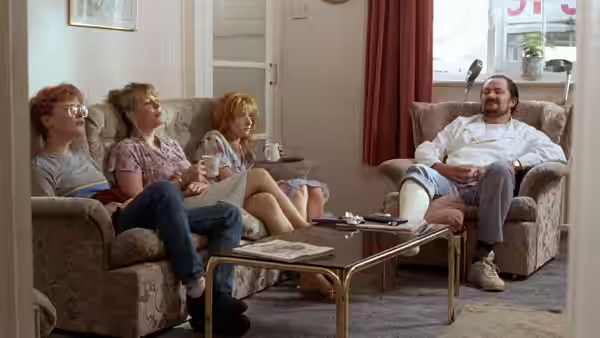
Dick Pope’s cinematography and Alison Chitty’s production design give the household the credibility that the broader acting needs. Their presentation of family life feels recognisable, never quaint, and that helps us accept the film’s more eccentric company. We value their work most when the comedy threatens to become overbearing and the surroundings keep the people believable. The ordinary setting also gives the disappointments their proper scale: these troubles matter to the people living with them, without requiring everyone else’s life to stop.
Jon Gregory’s editing suits the film’s loose progression, allowing its pleasures to accumulate through time spent with the characters. Occasionally that patience becomes indulgence, particularly when a comic performance has made its point and continues making it. The music, credited to Rachel Portman and Julian Wastall, contributes to the slight strangeness of Leigh’s treatment of everyday life. Its heightened quality works for us because the family remains credible; the film does not need to sound relentlessly matter-of-fact to take its people seriously.
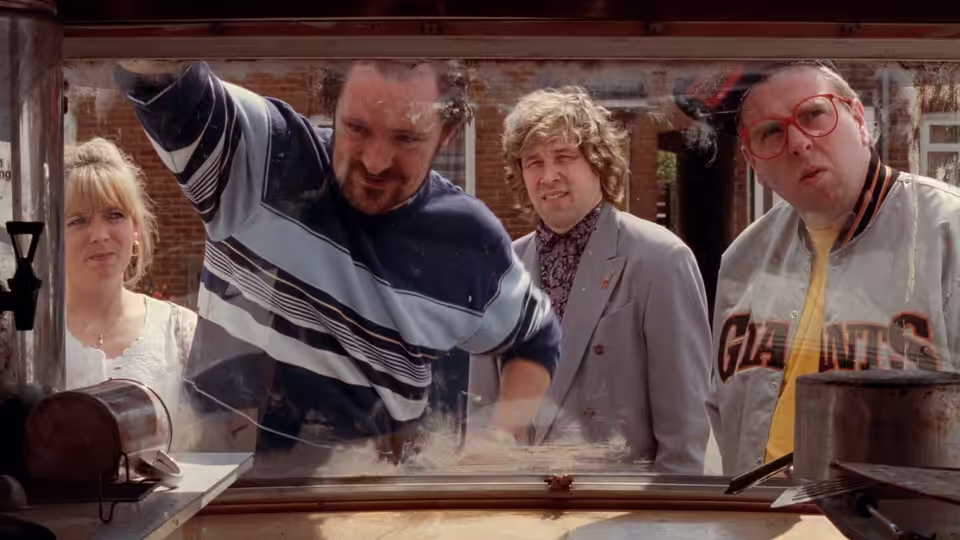
Timothy Spall’s Aubrey is the clearest test of how much grotesque comedy we can take. Spall commits fully, and the oddness is often funny, but occasionally we become too conscious of an actor working to produce an effect. Leigh, as writer and director, could afford to pull back here and trust that these people are interesting enough. It is a limited reservation, though an important one in a film whose quieter performances give us so much to notice.
For a family comedy, this is pleasingly uninterested in making the family easy company. Leigh’s affection leaves plenty of room for irritation, and the performances make concern for these people feel like a reasonable response rather than an obligation. The quieter passages carry enough weight to justify some patience with the louder ones. Choose it for an evening when you can give the actors your attention, and allow for the occasional stretch when the comedy gets too emphatic.