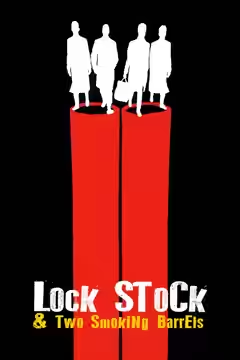
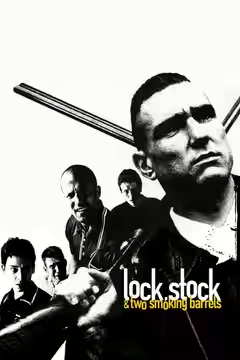
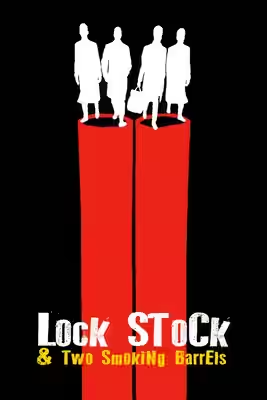
Guy Ritchie’s crime comedy earns its laughs through sharp casting and cleverly tangled plans. The camera tricks can become tiresome, and the people are thinly written, but there is plenty here for a caper enthusiast.
Lock, Stock and Two Smoking Barrels is a good caper with an irritating need to keep proving how stylish it is. Guy Ritchie writes and directs as though every crook deserves an entrance and every scheme another complication. The pleasure is in watching men who fancy themselves clever discover that other people have been thinking too. Its crowded plotting takes some attention, but at 105 minutes the film offers enough laughs to repay it.
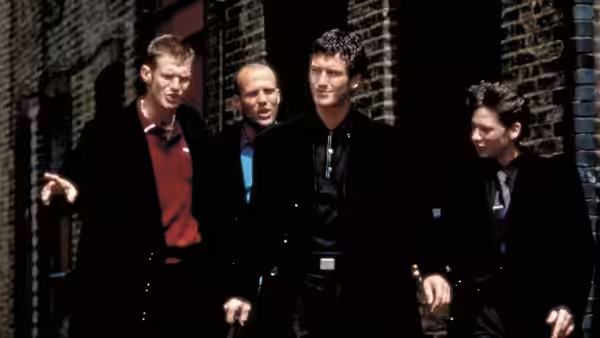
The trouble begins with four East End lads in debt to a mobster, followed by a plan involving a drug shipment. Ritchie gives the surrounding crooks competing schemes, then asks us to keep several calculations in our heads at once. This is familiar caper business, and we do not need every coincidence to survive police scrutiny. What matters is whether each new complication is funny or surprising enough to justify another, and it usually is.
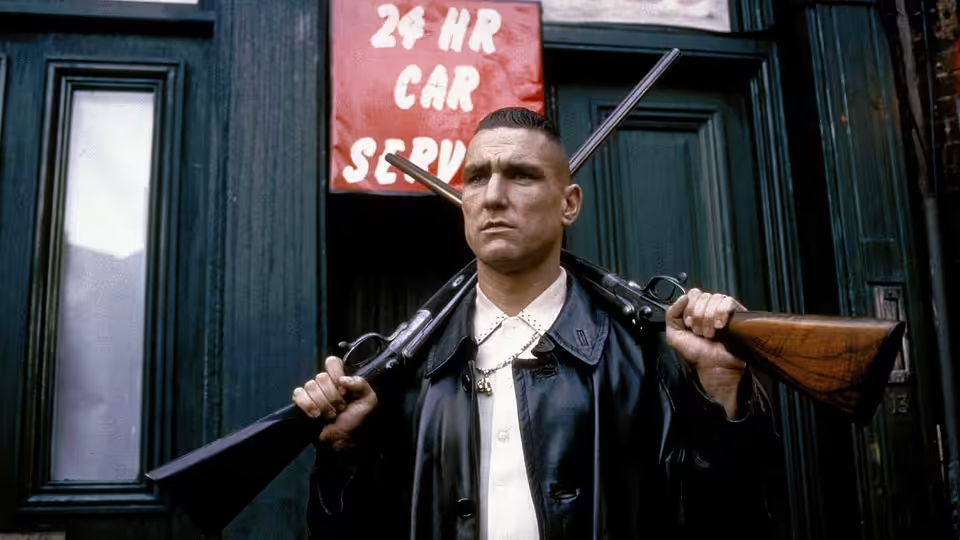
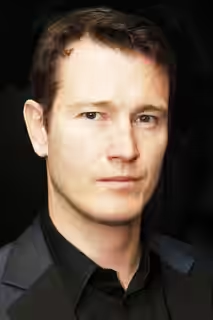
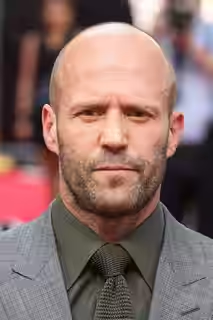
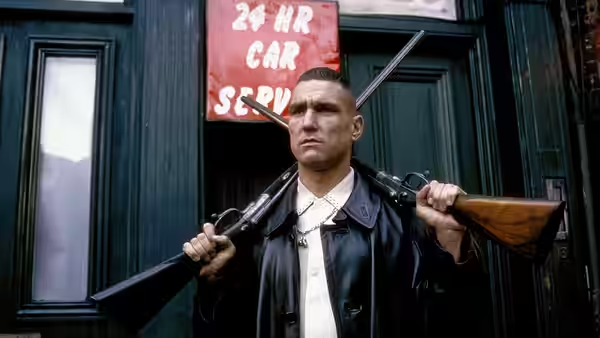
Nick Moran’s Eddy, Jason Flemyng’s Tom, Dexter Fletcher’s Soap and Jason Statham’s Bacon make the four lads worth following through the complications. They are enjoyable company, even when the writing leaves them looking more like a group than four distinct people. We laughed most readily at Vinnie Jones’s Big Chris: his blunt presence makes the younger men’s swagger seem faintly ridiculous. Jones understands how little effort menace needs. The younger actors sometimes appear to be enjoying their criminal credentials more than inhabiting them, but that eagerness also suits the comedy.
Tim Maurice-Jones’s cinematography is caught up in Ritchie’s fondness for a swinging camera, freeze frames and slow motion. The tricks can be funny in themselves, but there are moments when we want a conversation to finish without being decorated. Niven Howie’s editing has the harder job of keeping the rival schemes legible. The pace helps, pulling us past a surplus introduction before it becomes a nuisance. It can also leave us remembering a face without quite remembering whose business we have interrupted.
Eve Mavrakis and Iain Andrews’s production design is useful precisely because it does not compete with all this activity. Their settings give the crooks somewhere credible to conduct their increasingly silly business. The music credited to David A. Hughes and John Murphy is much less inclined to stand back. Its insistence keeps the film buoyant when keeping track of the characters threatens to become work, although quieter moments would be welcome.
This sits at the farcical end of the crime film, where greed and vanity are enough to keep people moving. We need no moral lecture, but a little more curiosity about the men would have made their predicaments count for more. Ritchie prefers to get on with the next scheme, and his skill at doing that is considerable. Give it an evening if crooked plans and blunt threats make you laugh; some of the camera tricks will need forgiving.