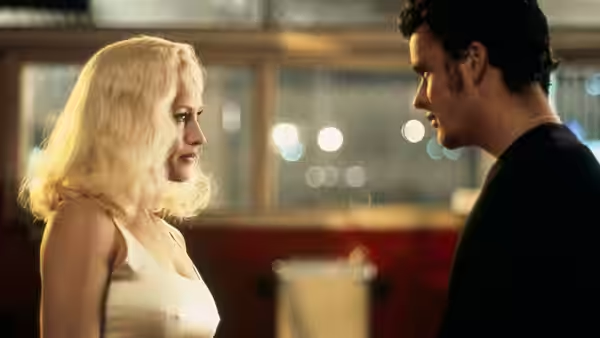
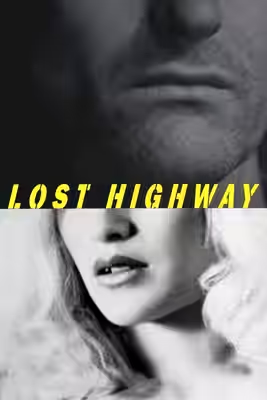
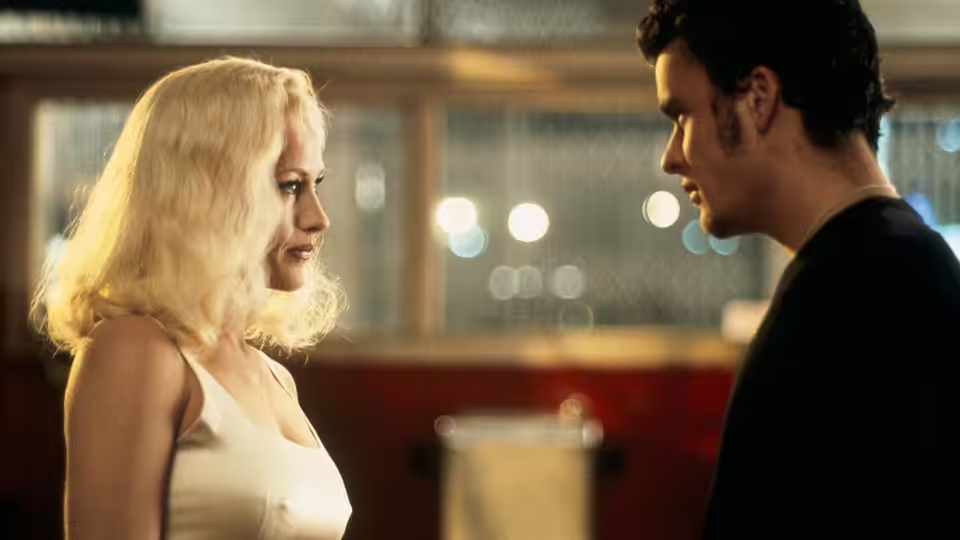
Alice Wakefield (Patricia Arquette) facing Pete Dayton (Balthazar Getty) indoors
Film review

Lost Highway

1997 · Directed by David Lynch · 2h 14m · MPA R

In a sentenceDavid Lynch makes watching a video feel like a serious lapse in home security

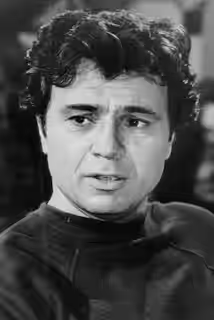
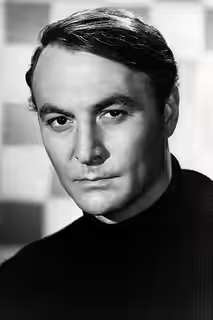
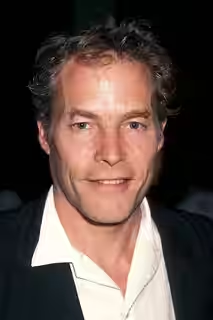
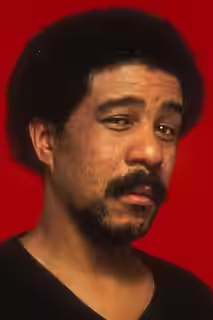
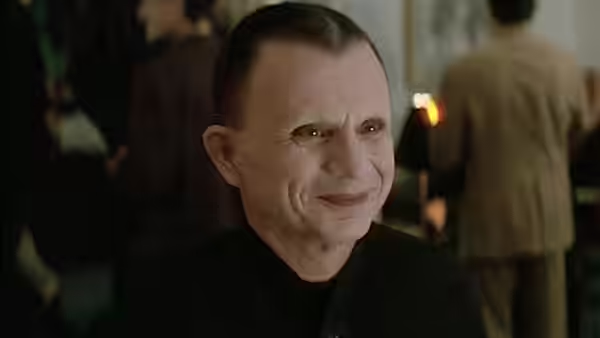
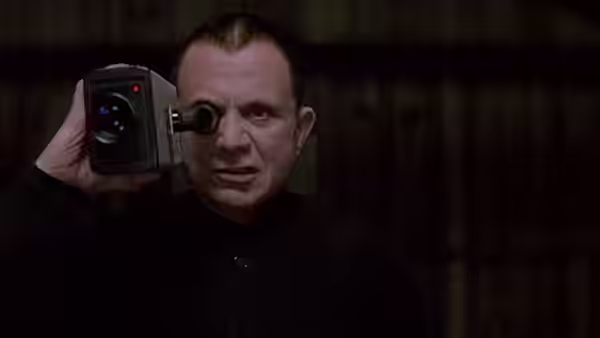
Fred Madison (Bill Pullman) and Renee Madison (Patricia Arquette) are at the centre of David Lynch’s thriller about surveillance, identity and the difficulty of trusting what is seen. Robert Blake appears as the Mystery Man, with Balthazar Getty, Robert Loggia and Richard Pryor among the cast. Written by Lynch and Barry Gifford, Lost Highway follows the uneasy logic of a nightmare, drawing on film noir as it moves through a mystery that resists straightforward explanation. The danger lies in watching, being watched and not knowing what the images mean.

Plays from YouTube when you press play; nothing loads from them until then.

Fi1m review

David Lynch’s noir thriller is unsettling enough to justify its difficult storytelling, with Bill Pullman and Patricia Arquette keeping us interested in the people. Its slow passages test the patience more than they deepen the mystery.

David Lynch’s Lost Highway is worth seeing for its unease, even when its storytelling becomes needlessly difficult. Written with Barry Gifford, it takes film noir’s fear of being deceived and makes even the business of looking feel unsafe. Surveillance ought to supply evidence; here it gives us another reason to doubt what we have seen. The film asks for patience, and for much of its 134 minutes it earns it.

Bill Pullman’s Fred Madison is a useful person to put at the centre of this uncertainty. Pullman makes his disturbance troubling without making him impossible to care about, which matters in a film so reluctant to help us find our bearings. Patricia Arquette gives Renee Madison enough reserve to keep our attention without seeming merely to withhold information. We want to study these people, even before we can decide what to make of them.

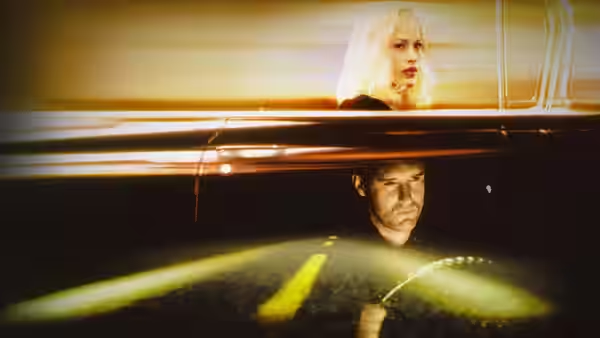
We were unnerved by the surveillance imagery, because Lynch makes the act of looking feel intrusive even when it promises an explanation. There is something unpleasant about being encouraged to study a person and then doubting our right to do it. The unease comes from being kept looking, with no promise that another look will make anything clearer. These stretches are enough to make the film work as a thriller, without requiring us to solve it.

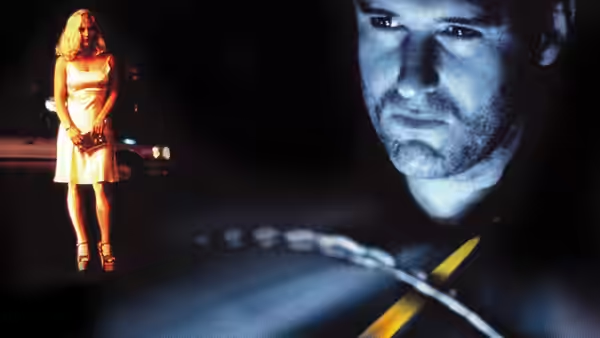
Peter Deming’s widescreen images use shadow to deny us a comfortable view. The dark areas keep drawing the eye, and searching them does not bring much reassurance. Patricia Norris’s production design gives the noir surroundings a careful finish that can make the danger feel overprepared. That becomes a problem when a scene has already made us uneasy and continues to wait, leaving plenty of time to notice how carefully everything has been arranged.

Mary Sweeney’s editing is most effective when the film moves without offering an explanation for the move. The transitions carry us along, allowing the dream logic to register before we start objecting to it. Elsewhere, the deliberate pace gives us too much time to notice how little the dialogue adds. Angelo Badalamenti’s music helps sustain the tension through these pauses, although music cannot make every prolonged exchange necessary.

Lynch and Gifford’s writing has a less reliable hold on the people. Arquette remains compelling, but some of the sexualised imagery gives her less to play than her performance deserves. The stylised dialogue can also make an exchange sound rehearsed when it needs to feel dangerous. The actors have to supply much of the feeling themselves, and the writing does not always repay the attention their performances encourage.

For a noir thriller, it spends a long time preventing us from getting a firm hold on the people or their predicament. That can be tiring, and there are passages we would gladly have seen shortened. Yet the uncertainty often makes the film frightening, particularly when we cannot trust what we are being shown. We recommend it to those who enjoy a mystery without expecting steady progress towards an answer. Do not choose it for a tired evening when finding the remote has already felt like a trial.

Critical consensus AI synthesised

66
Positive
13
Mixed
1
Negative
5

Most critics come down in favour, though the lean is warmer now than it was in 1997. The praise gathers around atmosphere: the long dark corridors, Peter Deming’s shadows, the sound design, and a dread that holds from the first frame. Patricia Arquette and Bill Pullman are singled out, and more than one critic treats the film as a rehearsal for Mulholland Drive, with the opening stretch the part most reliably admired.

The reservations are about feeling rather than craft. The negative reviews, almost all from the film’s first release, find it beautifully made and emotionally empty, a puzzle built to be discussed rather than felt, and a few object to a pace that slackens its grip and a second half that turns clunky. The spread is wide: five stars at one end, accusations of contempt for the audience at the other. The AV Club’s later revision, from dismissal to something like respect, is a fair picture of how the reception has moved.

The Times
5 December 2024 · ★★★★★ · Kevin Maher
100

Lynch’s darkest and best work is this profoundly disturbing noir thriller that drops the viewer inside the fractured mind of its psychopathic protagonist. The long black corridors of existential dread deliver real terror never equalled since.

Read the full review →
Little White Lies
22 January 2017 · William Carroll
90*

The critic calls it a mysterious, enthralling neo-noir in its own right that deserves to be spoken of alongside Lynch’s best work, praising its dream-like nocturnal LA setting, nonlinear structure and the way it embodies Lynch’s folkloric parallel worlds and nameless spectres.

Read the full review →
Empire
1 January 2000 · Christopher Hemblade
80*

Lynch's film is delightfully bonkers and an eerie, edgy outpouring that challenges expectations of identity and reality. The critic singles out the atmospheric, non-plot-driven logic of the mid-point transformation and strong performances, especially by Patricia Arquette.

Read the full review →
Radio Times
★★★★ · David Oppedisano
80

The review calls the narrative-defying thriller hypnotising and painterly, with Lynch reinventing film noir in a creepy, nightmarish vision echoing Vertigo. It notes the story is not the most accessible but the delivery is compelling.

Read the full review →
Time Out
27 March 2008 · ★★★★ · Joshua Rothkopf
80

The review praises the film's widescreen presentation and transitional strengths as Lynch's first LA movie, a practice run for Mulholland Drive with strong atmosphere and video surveillance motifs. It notes audiences were puzzled but highlights its undeniable qualities.

Read the full review →
Slant Magazine
11 October 2022
70*

The critic praises the Criterion 4K restoration as profoundly beautiful and a must-own for Lynch fans, highlighting its technical excellence. They single out the film's opening 45 minutes for its hauntingly prosaic tension and male anxiety, while noting some clunky elements in the second half but affirming the work's daring emotional realism overall.

Read the full review →

Straight answers AI written, from our review

Is Lost Highway worth watching?
Lost Highway is worth watching for anyone who enjoys a mystery without expecting a clear answer, and we scored it 78. David Lynch's noir thriller is unsettling enough to justify its difficult storytelling, with Bill Pullman and Patricia Arquette keeping us interested in the people. Its slow passages test the patience, so do not choose it for a tired evening.
How long is Lost Highway, and what is it rated?
Lost Highway runs 2h 14m and is rated R by the MPA in the US. It is a drama and thriller film.
Where can I watch Lost Highway in the US?
Lost Highway is not on any streaming or rental service in the US at the moment. It is available in 36 other countries; change your country at the top of the page to see where. Availability is checked daily.
How violent or frightening is Lost Highway, and is it suitable for children?
Lost Highway carries a UK 18 certificate and is not suitable for children. The fear comes less from violence than from sustained unease: David Lynch makes the act of watching feel intrusive, and the surveillance imagery unnerved us. The review also notes sexualised imagery involving Patricia Arquette's character, so the squeamish and younger teenagers should look elsewhere.
How does Lost Highway compare to Caché?
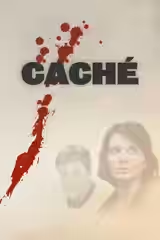
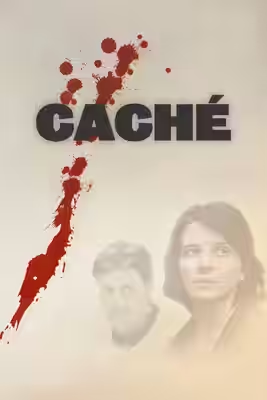
Lost Highway and Caché both make surveillance turn ordinary domestic life into something exposed and threatening, but they go about it differently. Michael Haneke's film is the more absorbing and disciplined of the two, its threatened couple painfully credible, though his steering of our judgement can feel overbearing. Lynch's is stranger and slacker, following dream logic that resists explanation; choose it if you prefer atmosphere to argument.
What should I watch after Lost Highway?
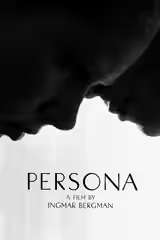
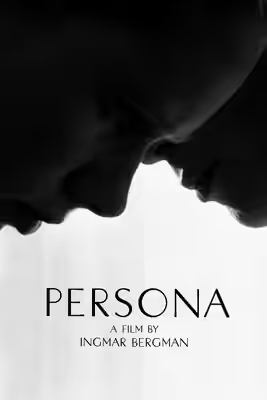
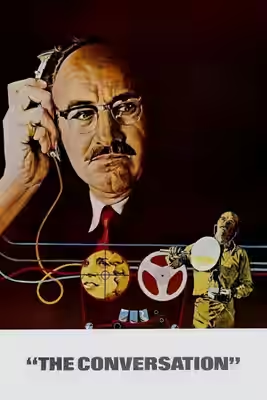
After Lost Highway, try Persona (1966, Fi1m 89): For another unsettling encounter with faces, identity and the limits of explanation. Then Caché (2005, Fi1m 88): Surveillance makes ordinary domestic life feel exposed, with little comfort in the answers; and The Conversation (1974, Fi1m 92): Another thriller in which listening closely makes certainty harder to come by.

Cast

If you liked this, try…

  1. Persona (1966, Fi1m 89)For another unsettling encounter with faces, identity and the limits of explanation.

  2. Caché (2005, Fi1m 88)Surveillance makes ordinary domestic life feel exposed, with little comfort in the answers.

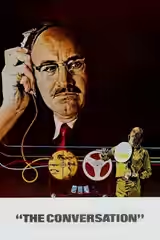
  3. The Conversation (1974, Fi1m 92)Another thriller in which listening closely makes certainty harder to come by.

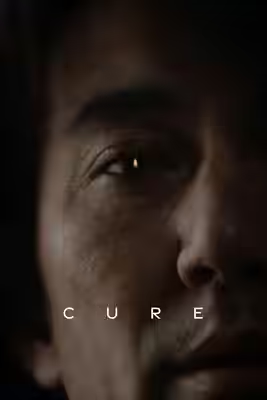
  4. Cure (1997, Fi1m 85)Patient, disquieting police work that refuses to make evil comfortably understandable.

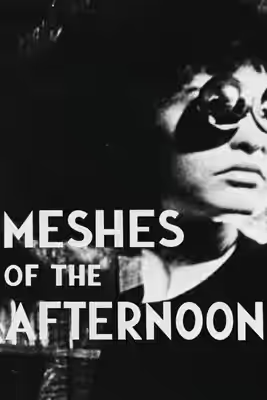
  5. Meshes of the Afternoon (1943) · not reviewed yetA short nightmare of repeated images that become more troubling each time.

Free account

Know what to watch tonight

Two lists that know where things are streaming, collections you can share, your own score beside ours, and Discover that remembers what you have seen.

  • Want to see, sorted by what is streaming now
  • Seen, with your score out of ten
  • No adverts, ever