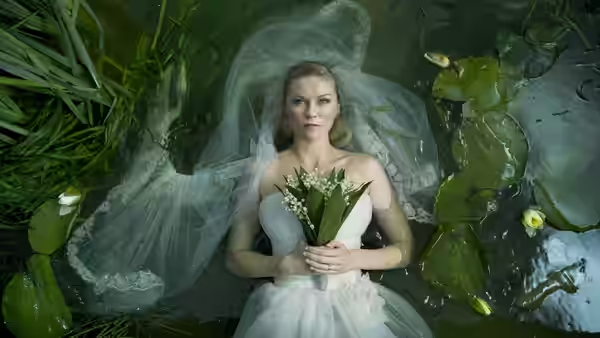
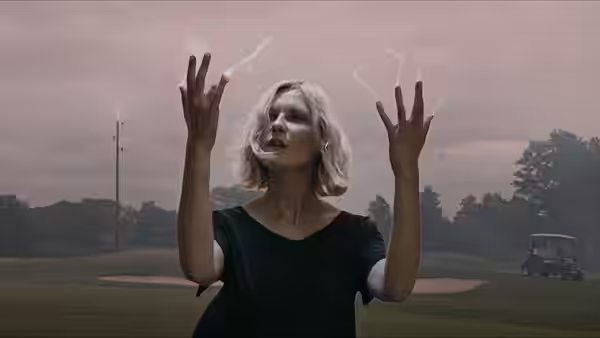
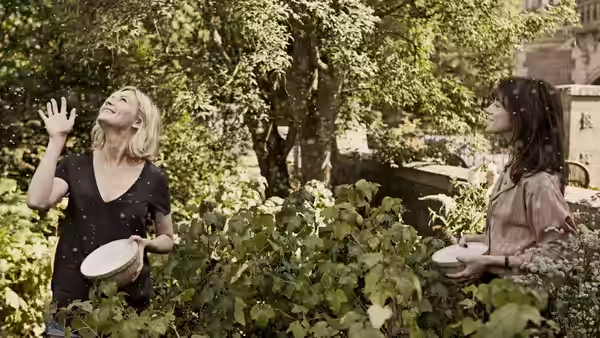
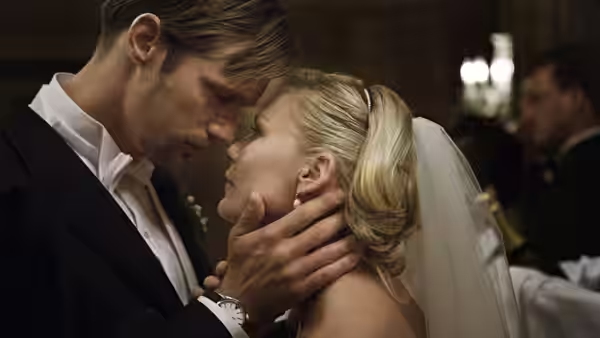
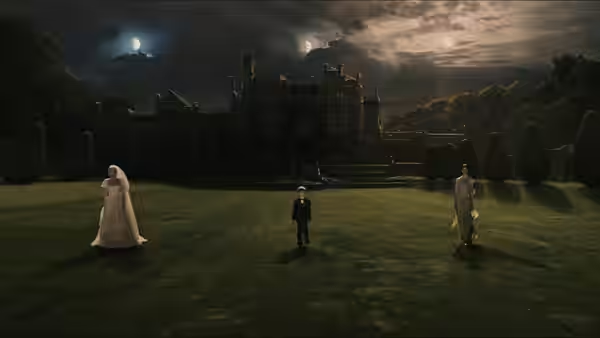
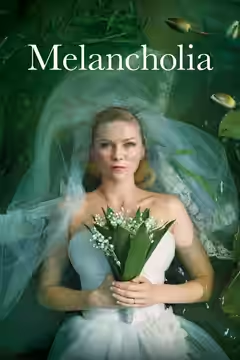
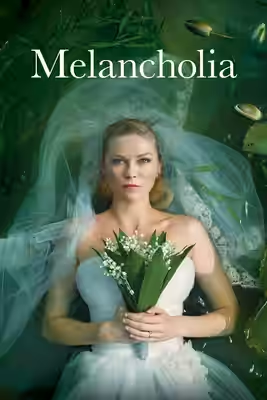
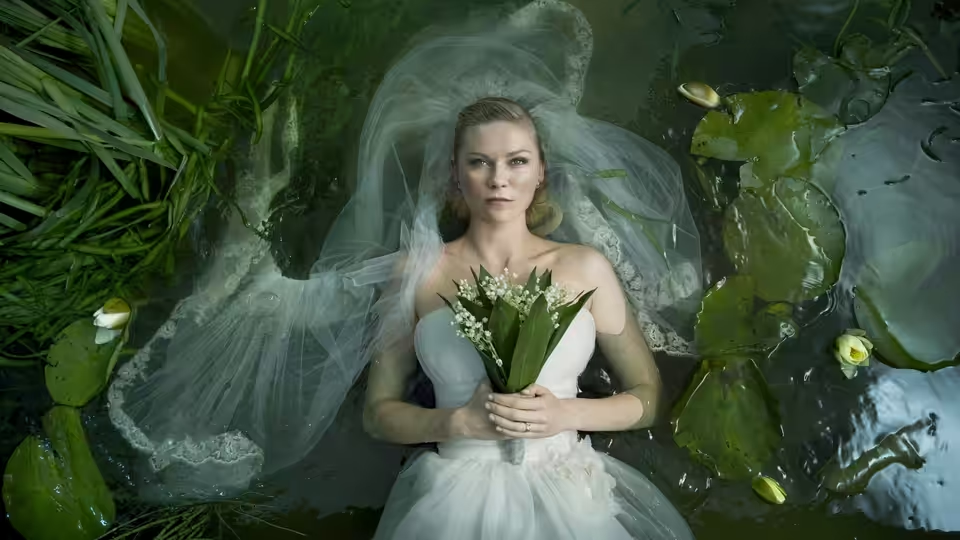
Justine (Kirsten Dunst) floating in a pond wearing a wedding dress
Film review

Melancholia

2011 · Directed by Lars von Trier · 2h 16m · MPA R

In a sentenceA planet is approaching Earth and still nobody knows how to talk to a depressed person

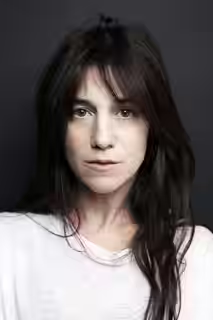
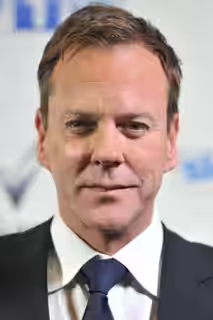
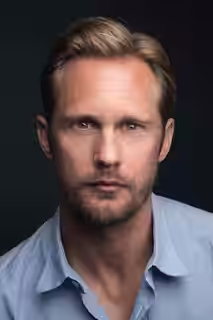
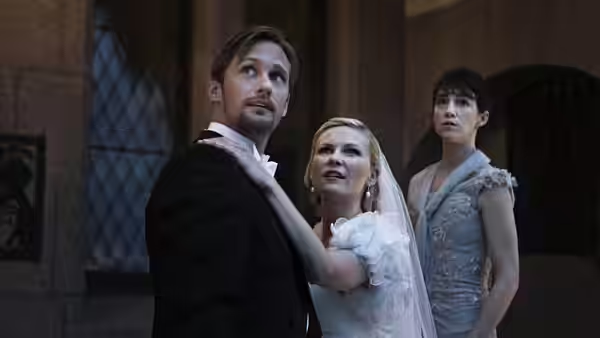
Justine (Kirsten Dunst) is struggling with depression, while her sister Claire (Charlotte Gainsbourg) confronts the possibility of a disaster neither can control. At a country house, they face the threat of a planet approaching Earth. The prospect of a collision gives the sisters a shared danger, though it does not give them a shared way of facing it. Lars von Trier writes and directs this drama about depression and the possible end of the world, with Kiefer Sutherland as John, Alexander Skarsgård as Michael and Cameron Spurr as Leo.

Plays from YouTube when you press play; nothing loads from them until then.

Fi1m review

Kirsten Dunst and Charlotte Gainsbourg make Lars von Trier’s apocalyptic drama painfully intimate. The middle lingers too long, but the performances make its depiction of depression worth the discomfort.

Lars von Trier’s Melancholia makes depression painfully recognisable within a story about a planet approaching Earth. We recommend it, with a warning that the middle prolongs the misery beyond what the drama can support. The science-fiction premise gives the characters something enormous to fear. Von Trier’s interest is in how they bear that fear, and in the difficulty of understanding distress that looks different from their own.

Kirsten Dunst plays Justine with a withdrawal that can make her difficult company, and does not apologise for it. We found her painful to watch: in the close-ups, the effort of responding to other people seems almost beyond her. An ordinary exchange can look exhausting when the feeling that should come with it has gone, and Dunst makes us register that work. Her performance does not offer the comforting assurance that a sufficiently sympathetic person could simply talk Justine out of this.

Charlotte Gainsbourg’s Claire is essential because the film needs more than one convincing response to danger. The sisters do not experience the threat in the same way, and Gainsbourg makes Claire’s anxiety urgent and recognisable. She is not there merely to help us understand her sister. Von Trier risks making depression look like a superior kind of knowledge, but Gainsbourg makes it hard to dismiss Claire simply because she is frightened.

Cinematographer Manuel Alberto Claro sets the careful compositions of the opening montage against shaky close-ups. The close-ups work especially well: they let us study small changes in expression while the camera keeps moving. Jette Lehmann’s production design uses the country-house setting to keep the drama domestic when the threat could hardly be larger. The rooms give the sisters places to be apart without letting the film lose sight of either of them.

Wagner’s music gives the opening a grandeur that would be excessive in a smaller story, and the film earns that scale. Editor Molly Malene Stensgaard allows the later scenes enough time for discomfort to become hard to escape. The trouble is that the middle keeps going after we have understood what that discomfort means. We begin waiting for a scene to add something rather than deepen a gloom already established. Von Trier’s screenplay occasionally makes the wait harder with dialogue that sounds written to explain an attitude instead of spoken to another person.

The critical consensus is much cooler than our verdict, with much of the objection centred on remote characters and prolonged gloom. We think those reviews undervalue the work Dunst and Gainsbourg do in making that gloom specific to two people. As science fiction, the film is unusually prepared to hold on a face when it could be explaining the danger or supplying another spectacle. The pacing needs work, but we cared about these women too much to find the film empty.

Give it an evening when there is room for something difficult. Its 136 minutes are best taken without distractions, particularly when little appears to be happening. We would leave a little quiet afterwards rather than go straight in search of something cheerful.
Critical consensus AI synthesised

55
Positive
6
Mixed
4
Negative
6

The consensus on Melancholia is sharply divided, though praise for its images extends well beyond its admirers. The opening montage draws particular attention, and even several negative reviews acknowledge the force of the filmmaking and music. Kirsten Dunst’s performance is another frequent source of praise, with Charlotte Gainsbourg also singled out. Supporters find the apocalyptic treatment of depression intimate, sincere and unexpectedly moving rather than merely bleak.

The main disagreement is over whether that visual and emotional ambition sustains a drama. Reservations cluster around sluggish pacing, thin characters, awkward dialogue and a sense that the symbolism offers too little insight. Some critics admire Dunst but find her difficult to connect with. The Wrap notably recommends the film to people who dislike von Trier’s earlier work; The Hollywood Reporter finds the images and music impressive but the characters and ideas unengaging. The spread reflects a substantial disagreement about the film’s emotional reach.

Empire
8 April 2011 · festival review · Kim Newman
80*

The critic praises the audacious mix of silliness and solemnity, beautiful filmmaking, and strong performances in this science-fiction take on von Trier's recurring themes, though it may not win over the unconverted.

Read the full review →
Los Angeles Times
11 November 2011 · Betsy Sharkey
80*

The critic calls it von Trier’s most hopeful and beautiful film, lush and romantic even in its apocalyptic hopelessness, with a luminous central performance by Kirsten Dunst. Its excessive yet restrained vision is strangely forgiving.

Read the full review →
Total Film
15 September 2011 · Matt Glasby
60*

The review notes the film's polished depiction of depression and striking visuals but finds the middle section overly focused on the protagonist's gloom, making it low-key overall despite committed acting.

Read the full review →
The AV Club
18 May 2011 · C · Mike D'Angelo
57

The film is seen as therapy disguised as drama with a disconnect between concept and execution; von Trier swings for the fence but misses in this autobiographical depression allegory.

Read the full review →
The Independent
29 September 2011
55*

The critic finds von Trier's apocalyptic vision visually striking but undermined by awkward dialogue and an air of unreality, with the film's misanthropy providing some engagement despite its flaws.

Read the full review →
Slant Magazine
24 September 2011 · ★★ · Ed Gonzalez
50

The film peaks with its dazzling prelude but the rest is redundant with few insights; symbolism flounders and characters remain superficial ciphers reflecting the director's nihilism.

Read the full review →

Straight answers AI written, from our review

Is Melancholia worth watching?
Melancholia is worth watching for anyone with an evening to spare for something difficult, and we scored it 80. Kirsten Dunst and Charlotte Gainsbourg make depression and dread painfully specific to two sisters as a planet approaches Earth. The middle prolongs the gloom well past the point where we understood it, so it suits patient viewers rather than anyone after spectacle.
How long is Melancholia, and what is it rated?
Melancholia runs 2h 16m and is rated R by the MPA in the US. It is a drama and science fiction film.
Where can I watch Melancholia in the US?
Melancholia is streaming on Tubi and Amazon Prime Video in the US, and it is also available to rent from Amazon Prime Video and Apple TV from $2.99. Availability is checked daily; the links above go straight to each service.
How violent or frightening is Melancholia, and is it suitable for children?
Melancholia is a UK 15 and US R, and is not suitable for children. The review notes no violence; the difficulty is the sustained, close-up depiction of depression and anxiety, which we found painful to watch and which the film refuses to soften. It is a heavy 136 minutes best kept for adults and older teenagers who know what they are choosing.
How does Melancholia compare to Take Shelter?
Melancholia and Take Shelter both bring dread into a family home, but Melancholia makes its threat cosmic and certain while Take Shelter keeps the danger in doubt. We think the sister performances of Dunst and Gainsbourg give Melancholia the slight edge, though both films linger too long on a fear already understood. Choose Take Shelter for Michael Shannon and a more grounded unease.

Cast

Awards

Bodil Award for Best Cinematographer, 2012

Won
Bodil Award for Best Cinematographer

Bodil Award for Best Danish Film, 2012

Won
Bodil Award for Best Danish Film

Robert Award for Best Actress in a Leading Role, 2012

Won
Robert Award for Best Actress in a Leading Role

Robert Award for Best Actress in a Supporting Role, 2012

Won
Robert Award for Best Actress in a Supporting Role

Robert Award for Best Cinematography, 2012

Won
Robert Award for Best Cinematography

Robert Award for Best Danish Film, 2012

Won
Robert Award for Best Danish Film

Robert Award for Best Director, 2012

Won
Robert Award for Best Director

Robert Award for Best Editing, 2012

Won
Robert Award for Best Editing

Robert Award for Best Production Design, 2012

Won
Robert Award for Best Production Design

Robert Award for Best Screenplay, 2012

Won
Robert Award for Best Screenplay

Robert Award for Best Sound Design, 2012

Won
Robert Award for Best Sound Design

Robert Award for Best Visual Effects, 2012

Won
Robert Award for Best Visual Effects

European Film Award for Best Actress, 2011

Nominated
European Film Award for Best Actress

European Film Award for Best Cinematographer, 2011

Won
European Film Award for Best Cinematographer

European Film Award for Best Director, 2011

Nominated
European Film Award for Best Director

European Film Award for Best Editor, 2011

Nominated
European Film Award for Best Editor

European Film Award for Best Film, 2011

Won
European Film Award for Best Film

European Film Award for Best Production Designer, 2011

Won
European Film Award for Best Production Designer

European Film Award for Best Screenwriter, 2011

Nominated
European Film Award for Best Screenwriter

If you liked this, try…

  1. Safe (1995) · not reviewed yetAnother retreat from ordinary life, with illness making familiar surroundings feel quietly hostile.

  2. The Sacrifice (1986) · not reviewed yetA household faces possible annihilation, with room for faith, fear and difficult silences.

  3. Last Night (1998) · not reviewed yetThe end of the world leaves ordinary people making awkward, recognisable choices.

  4. Take Shelter (2011, Fi1m 83)Dread enters a family home, and certainty becomes something nobody can afford.

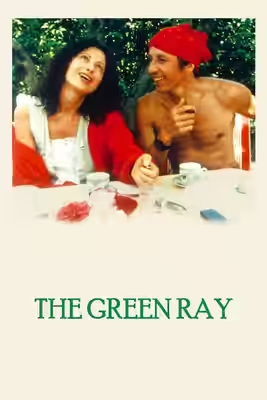
  5. The Green Ray (1986) · not reviewed yetFor another woman struggling to feel what everyone insists she should.

Free account

Know what to watch tonight

Two lists that know where things are streaming, collections you can share, your own score beside ours, and Discover that remembers what you have seen.

  • Want to see, sorted by what is streaming now
  • Seen, with your score out of ten
  • No adverts, ever