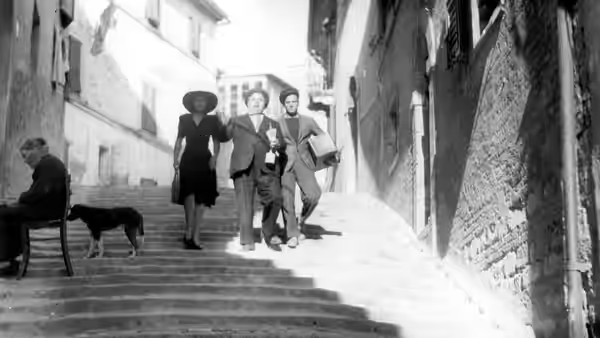
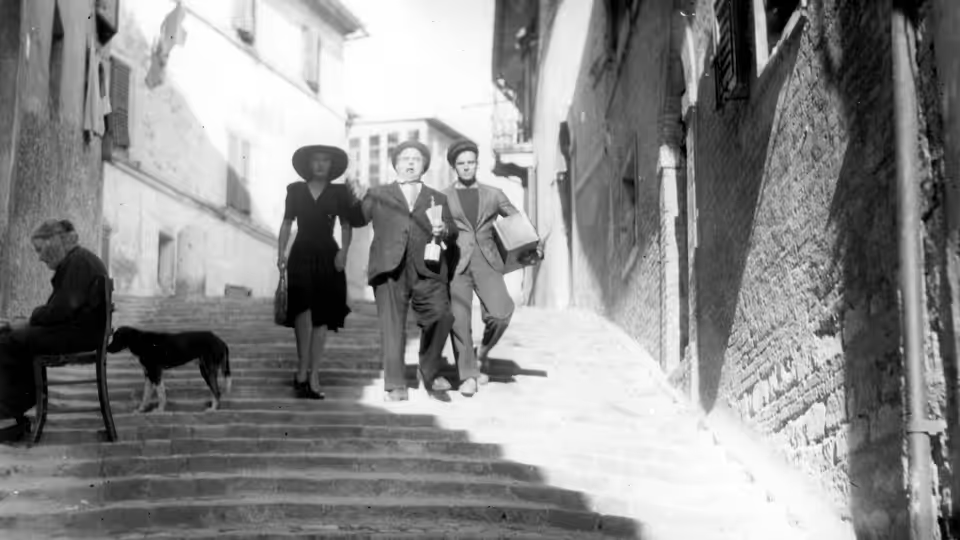
Three people descend a narrow street past a seated man and a dog
Film review

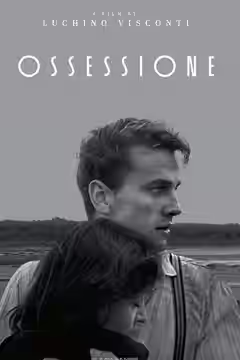
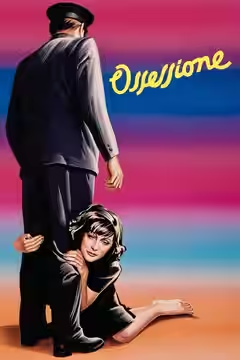
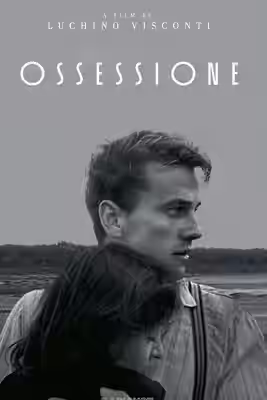
Obsession

1943 · Directed by Luchino Visconti · 2h 20m

In a sentenceThe trouble with running away together is deciding who will pay for supper

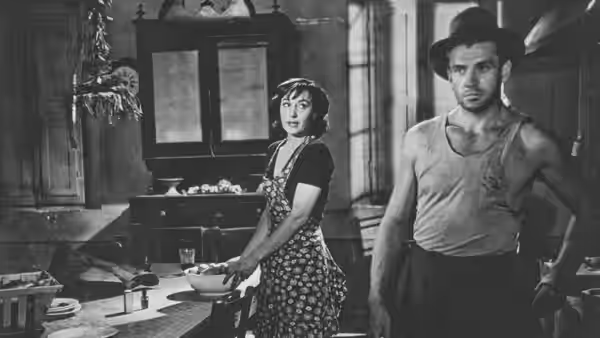
Gino Costa (Massimo Girotti), a drifter travelling through Italy’s Po Valley, stops at a roadside inn. Giovanna Bragana (Clara Calamai) runs it with her husband, Giuseppe Bragana (Juan de Landa), and Gino stays to work. He and Giovanna begin an affair, and he wants her to leave with him. She resents her marriage but hesitates to exchange the security of the inn for an uncertain life on the road. Between the kitchen, the dining room and the passing traffic, the lovers try to imagine leaving together while disagreeing about how they would live once they have gone.

Fi1m review

Luchino Visconti makes desire urgent and escape painfully difficult in this patient, bruising crime romance. Clara Calamai and Massimo Girotti give it a convincing unhappiness, though its 140 minutes include stretches that could have been shorter.

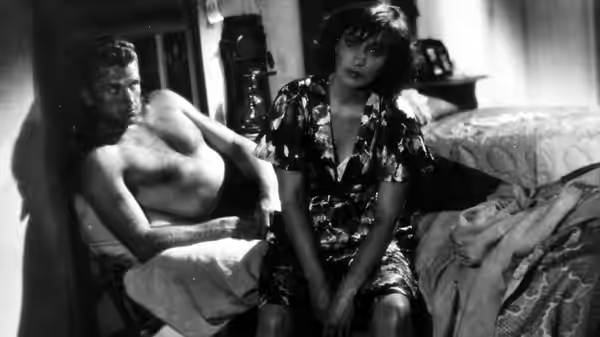
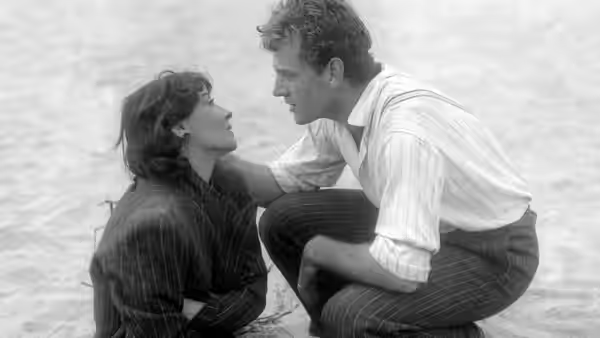
Obsession is a fine, troubling crime romance that occasionally moves too slowly. Luchino Visconti adapts James M. Cain’s The Postman Always Rings Twice, giving considerable attention to the practical difficulties of wanting somebody else’s wife. The roadside inn is a workplace, a source of income and an obstacle to leaving. Spending time there helps us understand why two people might talk about escape and still find themselves staying for another meal.

Clara Calamai makes Giovanna Bragana’s dissatisfaction uncomfortable to watch. Her attraction to Gino Costa does not wipe away her concern about money, and Calamai lets both wants remain visible without making either seem trivial. Massimo Girotti gives Gino the hopefulness of someone who thinks movement might solve his problems, along with the desperation that makes that hope unreliable. Their attraction is convincing because neither performance suggests that being together will make these people easy company.

Domenico Scala and Aldo Tonti’s cinematography gives the inn a persuasive physical closeness. The opening delays our clear view of Gino’s face, allowing Giovanna’s interest in him to help establish his presence. That is an effective introduction to a relationship in which looking carries so much weight. The contrast between the cramped interiors and the open roads also makes the lovers’ difficulty leaving more frustrating: there is plainly somewhere else to go.

We felt uneasy watching Gino and Giovanna take such direct notice of one another with her husband nearby. Calamai and Girotti make the attraction conspicuous enough that an ordinary encounter begins to feel risky. Juan de Landa, as Giuseppe Bragana, gives the marriage an inconveniently substantial third person; he cannot simply be wished out of the picture. Visconti allows the lovers their discontent without making their desires a sufficient excuse for everything.

For a crime romance, the film spends an unusual amount of time considering what its lovers would have to live on. Giovanna’s attachment to security gives Calamai something more demanding to play than romantic frustration alone. It also makes Gino’s freedom look less useful when somebody else would have to share its uncertainties. These concerns can sound unromantic in a plot description, but they make the relationship more interesting to watch, particularly when the performers allow affection and irritation to occupy the same exchange.

Mario Serandrei’s editing gives glances and pauses longer than a brisk thriller would permit, often to the film’s benefit. We have time to watch a character reconsider what another person has said. Across 140 minutes, however, some stretches continue after the emotional situation is clear, and the pressure slackens. Giuseppe Rosati’s music can be too insistent, pressing the distress harder than the performances require. Neither problem breaks the film, but both make its patience feel less assured than it does in the opening.

The strongest reason to choose Obsession is its willingness to let attraction remain awkward, selfish and affected by ordinary worries. It asks us to spend time with people whose unhappiness we can understand without accepting every decision they make. Calamai and Girotti sustain that interest even when the pace becomes heavy. Choose it for an evening when a crime story need not hurry to hold our attention.

Critical consensus AI synthesised

2 of 6
Positive
1
Mixed
1
Negative
0
The AV Club
30 August 2002 · Noel Murray
75*

Murray finds Ossessione compelling as both a murder story and a slice of life. He singles out Massimo Girotti’s desperate, hopeful performance as a strength.

Read the full review →
The New York Times
6 December 2002
64*

The page could not be accessed, so the critic’s verdict and specific praise or complaint cannot be verified. The available page text contains no review content.

Read the full review →

Straight answers AI written, from our review

Is Obsession worth watching?
Obsession is worth watching for its convincing, uncomfortable romance, and we score it 82 out of 100. Clara Calamai and Massimo Girotti make desire and money worries equally compelling, though the 140 minutes sometimes drag; we recommend it when a patient crime drama suits the evening better than a brisk thriller.
How long is Obsession, and what is it rated?
Obsession runs 2h 20m. It is a crime and drama film.
Where can I watch Obsession in the US?
Obsession is not on any streaming or rental service in the US at the moment. Availability is checked daily.
How violent or frightening is Obsession, and is it suitable for children?
Obsession has no UK or US certificate listed here, so we cannot give an age-rating recommendation or a firm assurance about violence. We find its affair and marital tensions unsettling rather than reassuring; those adult concerns make it a more natural choice for adults than children, without establishing how graphic it is.
How does Obsession compare to Double Indemnity?
Obsession is the more patient relationship study beside Double Indemnity, which we recommend more broadly for its crime-thriller pleasures, viciously funny dialogue and finely judged performances. Both concern affairs complicated by practical arrangements, but we favour Obsession for sustained attention to money, work and the difficulty of leaving, provided a sometimes heavy pace is acceptable.
Is Obsession based on a true story or a book?
Obsession is adapted from James M. Cain’s novel The Postman Always Rings Twice, rather than presented as a true story. Visconti gives particular attention to the lovers’ financial worries and the security of the roadside inn; we find their predicament clear on its own, without needing familiarity with the book.

Cast

If you liked this, try…

  1. Double Indemnity (1944, Fi1m 92)For another affair whose practical arrangements become steadily harder to manage.

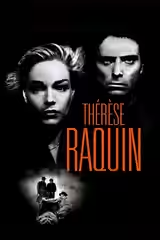
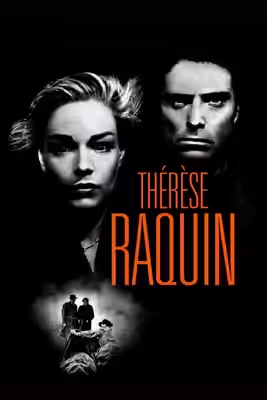
  2. Thérèse Raquin (1953) · not reviewed yetAnother cramped marriage, with desire making an already difficult household worse.

  3. Pale Flower (1964) · not reviewed yetFor dangerous attraction expressed through watching, waiting and taking foolish risks.

  4. The Marriage of Maria Braun (1979) · not reviewed yetFor another woman unwilling to pretend that love settles the money question.

  5. The Headless Woman (2008) · not reviewed yetFor patient, unsettling attention to guilt and the comforts that conceal it.

Free account

Know what to watch tonight

Two lists that know where things are streaming, collections you can share, your own score beside ours, and Discover that remembers what you have seen.

  • Want to see, sorted by what is streaming now
  • Seen, with your score out of ten
  • No adverts, ever