Jim Stark (James Dean) embraces Judy (Natalie Wood) as Plato (Sal Mineo) watches
Film review

Rebel Without a Cause

1955 · Directed by Nicholas Ray · 1h 51m · MPA PG-13

In a sentenceThe parents could use a responsible adult

In the opening police station scenes, Jim Stark (James Dean), Judy (Natalie Wood) and John ‘Plato’ Crawford (Sal Mineo) each struggle to make adults understand their unhappiness. Jim’s parents, Frank Stark (Jim Backus) and Carol Stark (Ann Doran), cannot give him the help he wants. He looks for acceptance among other teenagers, but his fear of being thought a coward leaves him vulnerable to their demands. A visit to the planetarium places the young people together as tensions build. Jim wants to fit in without backing down, and the two wishes are becoming difficult to reconcile.

Plays from YouTube when you press play; nothing loads from them until then.

Fi1m review

Nicholas Ray’s teenage drama still hurts, chiefly because James Dean, Natalie Wood and Sal Mineo make the unhappiness so particular. The parents are drawn too simply, but we warmly recommend it for the young cast.

Rebel Without a Cause is a moving teenage drama, weakened by its habit of making the parents responsible for almost everything. Nicholas Ray takes the feelings of Jim Stark (James Dean), Judy (Natalie Wood) and John ‘Plato’ Crawford (Sal Mineo) seriously, including feelings they cannot explain or sensibly act upon. That patience makes the film worth seeing even when Stewart Stern’s screenplay makes the adults seem almost professionally unhelpful. The director allows distress to look awkward, and the young cast keeps that awkwardness from becoming something we can comfortably dismiss.

James Dean is funny as well as hurt, which matters in a film so ready to treat a teenager’s crisis as an emergency. His performance can seem excessive, but the excess feels like a young man failing to control how much he gives away. We were moved by Jim Stark in the opening police station scene, because the effort to be understood seems so humiliating. William H. Ziegler’s editing gives those encounters time to become uncomfortable; the opening introduces several unhappy people without making them feel like cases presented for discussion.

Natalie Wood gives Judy enough hurt and impatience to keep her from seeming merely available for the hero. The writing is less curious about her than it is about Jim Stark, and the performance has to make up some of that difference. Sal Mineo makes John ‘Plato’ Crawford’s need for affection especially hard to watch without wanting to protect him. Together, the three actors suggest attraction and sexual uncertainty without making every look easy to explain, and their wish for companionship feels urgent.

Ernest Haller’s colour photography uses the wide CinemaScope frame to keep us aware of how the young people fit together. The planetarium sequence is particularly effective, its large space adding to the unease rather than offering a pleasant diversion. Nicholas Ray’s fluid camera movement keeps the cast from looking like illustrations in a lecture about delinquency. Even in this imposing setting, the scene holds our attention through the discomfort of the people within it.

The trouble comes when the film tries to explain the children through their parents. Jim Backus plays Frank Stark and Ann Doran plays Carol Stark, and both suggest people with troubles of their own, despite the narrow way the roles are written. Even so, the adults are too often assembled to demonstrate what a family should not do, with too little curiosity about how they became that way. Leonard Rosenman’s score can also press too insistently on pain the actors have already made clear. A little less emphasis would have left more room for us to respond.

Among dramas about troubled teenagers, this remains worth returning to for how seriously it takes the need to belong. The teenagers can be foolish and exhausting, and Nicholas Ray lets them stay that way without withdrawing his affection. The fear of being thought a coward can sound a thin basis for a crisis, but James Dean makes the pressure to prove himself credible. We need not accept the film’s account of parenting to recognise the loneliness of these young people. Watch it for the three leads, and allow the parents a defence the screenplay is reluctant to provide.


Critical consensus AI synthesised

74
Positive
11
Mixed
1
Negative
2

Most critics respond warmly to Rebel Without a Cause, with praise centred on James Dean’s emotionally exposed performance and Nicholas Ray’s sympathetic direction. The young ensemble also earns strong notices, particularly for the uneasy intimacy between Dean, Natalie Wood and Sal Mineo. Across the favourable reviews, Ray’s camerawork, use of colour and attention to adolescent longing keep the drama forceful, even where its attitudes show their age.

The spread is wide, however, and the disagreements concern more than dated manners. Reservations cluster around caricatured parents, overheated melodrama and a superficial explanation of juvenile delinquency. The Hollywood Reporter admires the acting and direction but questions the blame placed on parents. The New York Times takes that objection further, finding the account of troubled youth dangerously distorted. The New Yorker is colder still, treating the rebellious behaviour as tedious and the film as badly in need of discipline itself.

Radio Times
★★★★★ · Tom Hutchinson
100

The theme of the alienated teenager has never been done better in this classic drama, with superb performances from the youthful cast under Ray's control. Dean's heartfelt portrayal is especially memorable.

Read the full review →
Slant Magazine
16 April 2023 · Dan Callahan
90*

The critic calls the film profoundly romantic and lacerating, James Dean’s best work and high in Ray’s canon, praising its timeless poetic longing, Dean’s emotionally direct performance, Ray’s affectionate direction of the young cast, the primal mansion sequence, and the devastating tragic ending. He notes some dated elements like cartoonish parents but highlights the film’s insight into adolescence and sexuality.

Read the full review →
Empire
11 April 2014 · David Parkinson
85*

The critic calls it a teenpic landmark and the best-directed film in the genre, noting its empathetic insight into juvenile alienation that remains relevant. They single out James Dean's scene-stealing Method performance and the exemplary ensemble playing.

Read the full review →
Time Out
· GA
85*

The film is Dean's finest, powered by Ray's precise expressionist direction that serves the characters' emotions and depicts the central trio as an alternative family. It remains the best of the youth movies.

Read the full review →
Evening Standard
17 April 2014
80*

The critic praises the recently restored 1955 teen classic for looking and sounding exceptionally vivid, making the heart thump with its intensity. They highlight James Dean's comedic and tortured performance as Jim Stark, along with the edgy chemistry and sexual confusion among the young cast including Sal Mineo and Natalie Wood.

Read the full review →
RogerEbert.com
19 June 2005 · Roger Ebert
80*

Ebert observes that the film has not aged especially well and Dean's performance feels like a lesser version of Brando, yet notes its enormous influence on depictions of youth culture at the time. He singles out the subversive energy bubbling beneath the melodramatic surface and the urgent but unexamined emotions that give the film lasting fascination despite its flaws.

Read the full review →

Straight answers AI written, from our review

Is Rebel Without a Cause worth watching?
Rebel Without a Cause is worth watching for anyone drawn to serious drama about unhappy teenagers, and we scored it 84. James Dean, Natalie Wood and Sal Mineo make the loneliness particular and hard to dismiss, while Nicholas Ray treats their confusion with patience. The parents are written too simply as demonstrations of bad parenting, which is the film's main weakness.
How long is Rebel Without a Cause, and what is it rated?
Rebel Without a Cause runs 1h 51m and is rated PG-13 by the MPA in the US. It is a drama film.
Where can I watch Rebel Without a Cause in the US?
Rebel Without a Cause is available to rent from Amazon Prime Video from $3.99. Availability is checked daily; the links above go straight to each service.
How does Rebel Without a Cause compare to The 400 Blows?
Rebel Without a Cause and The 400 Blows both follow misunderstood boys failed by confident adults, but Truffaut's film is the stronger and less insistent of the two. Ray's is bigger, more emotional and shaped around three young performances; Truffaut's is quieter and more curious about its boy. Both let the music press too hard, so choose by temperament rather than quality.
What should I watch after Rebel Without a Cause?
After Rebel Without a Cause, try The 400 Blows (1959, Fi1m 91): Another misunderstood boy, with adults whose certainty does more harm than good. Then A Brighter Summer Day (1991, Fi1m 90): Teenage longing and group loyalties receive patient, unsettling attention; and Fish Tank (2009, Fi1m 85): Family friction and adolescent desire, with little patience for comforting explanations.

Cast

Awards

Academy Awards, 1956

Nominated
Best Story
Nominated
Best Supporting Actor
Nominated
Best Supporting Actress

If you liked this, try…

  1. The 400 Blows (1959, Fi1m 91)Another misunderstood boy, with adults whose certainty does more harm than good.

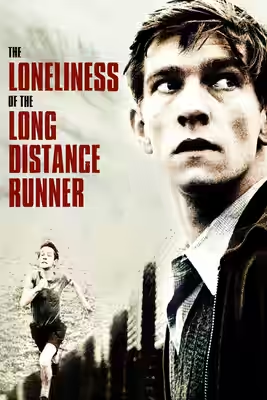
  2. The Loneliness of the Long Distance Runner (1962) · not reviewed yetA young man’s stubbornness becomes the only power he can keep.

  3. A Brighter Summer Day (1991, Fi1m 90)Teenage longing and group loyalties receive patient, unsettling attention.

  4. Fish Tank (2009, Fi1m 85)Family friction and adolescent desire, with little patience for comforting explanations.

  5. The Fits (2015) · not reviewed yetA girl’s wish to belong becomes a quietly disturbing physical experience.

Free account

Know what to watch tonight

Two lists that know where things are streaming, collections you can share, your own score beside ours, and Discover that remembers what you have seen.

  • Want to see, sorted by what is streaming now
  • Seen, with your score out of ten
  • No adverts, ever