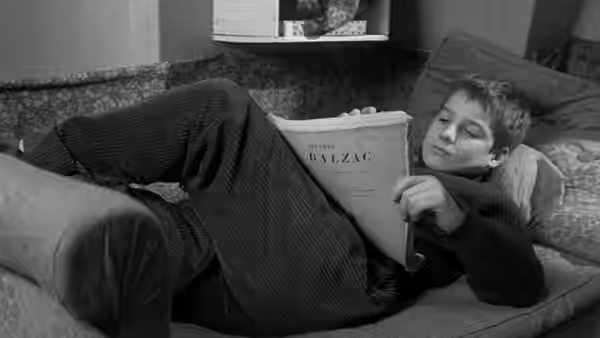
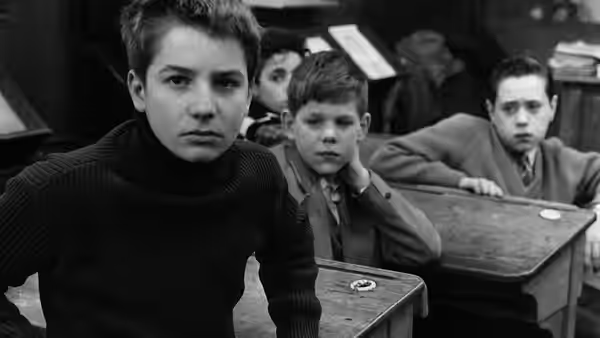
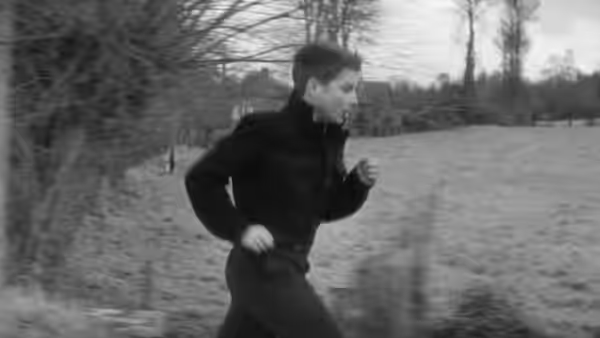
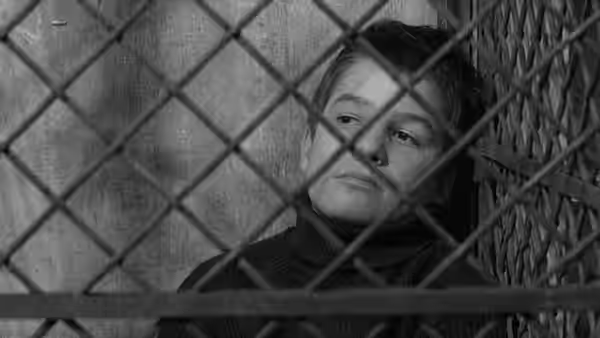
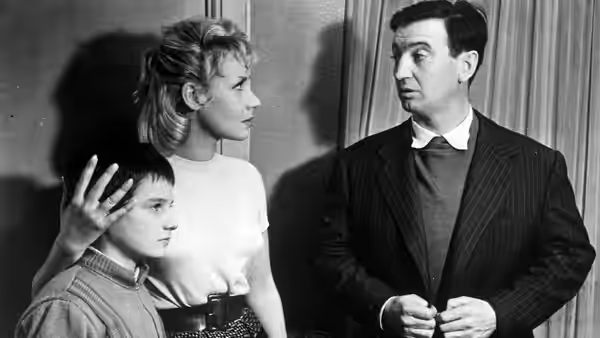
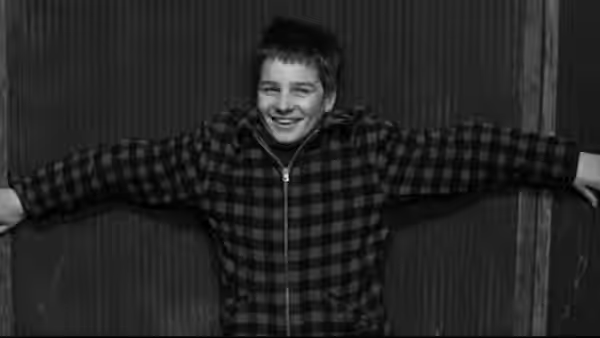
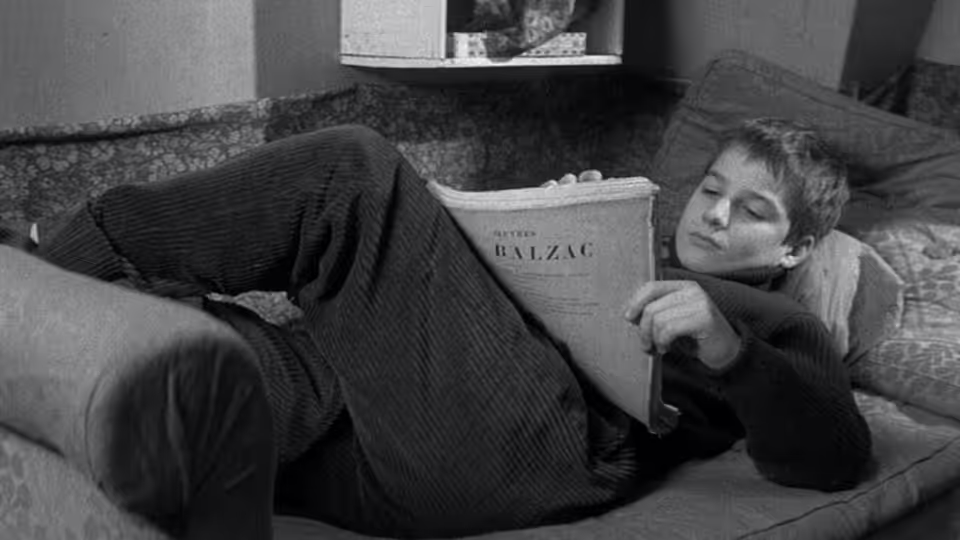
Antoine Doinel (Jean-Pierre Léaud) reclining on a sofa while reading a book
Film review

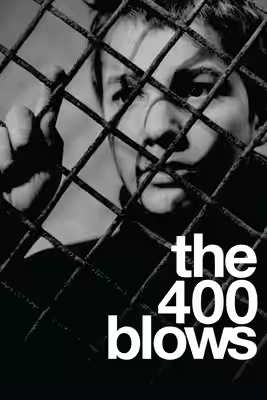
The 400 Blows

1959 · Directed by François Truffaut · 1h 39m · MPA NR

In a sentenceA boy keeps getting into trouble with adults who could use some supervision themselves

Antoine Doinel (Jean-Pierre Léaud) is growing up in Paris, where trouble at school follows him into a home that offers little understanding. He skips lessons, tells lies and finds pleasures in books, films and time away from adult supervision. As his misbehaviour draws more attention, the distance between what he needs and what adults expect of him grows. François Truffaut’s drama follows Antoine through this unsettled adolescence, with Claire Maurier as Gilberte Doinel, Albert Rémy as Julien Doinel and Patrick Auffay as René.

Plays from YouTube when you press play; nothing loads from them until then.

Fi1m review

François Truffaut’s portrait of a neglected Parisian boy deserves its reputation. Jean-Pierre Léaud makes Antoine’s mischief and vulnerability equally convincing, even when the music presses a little too hard for sympathy.

The 400 Blows understands how a boy can be troublesome and still be badly treated. We would recommend François Truffaut’s film to anyone who remembers being told off before they had managed to explain themselves. Antoine Doinel, played by Jean-Pierre Léaud, lies, skips school and tests the patience of his parents. Truffaut lets us enjoy some of that behaviour, then makes us notice how little patience the adults had to begin with.

Léaud never tidies Antoine up for our benefit. The mischief is enjoyable, but there is enough defiance in the performance to make us understand why an adult might lose patience with him. His vulnerability comes through without a constant appeal for sympathy, which is why the neglect hurts. We are free to find him difficult; that does not make the adults’ treatment of him any easier to bear.

Henri Decaë’s photography makes Antoine’s Paris seem worth skipping school for. There is pleasure in looking at the city, and that helps us feel the temptation of being out in it with no adult in charge. Marie-Josèphe Yoyotte’s editing gives the wandering enough room to seem like part of his life, not simply an interval between offences. The pace can be loose, but we would miss that freedom if every scene existed only to bring the next punishment closer.

The children’s faces at the Punch and Judy show moved us more than we expected. Truffaut gives their enjoyment serious attention, and for a moment the pleasure of watching is enough to fill the screen. It is a welcome reminder of how much there is to childhood beyond the behaviour that attracts adult notice. Coming from a film so concerned with a boy’s troubles, that interest in what children enjoy feels generous without turning them into little angels.

The adults are less evenly served. Claire Maurier as Gilberte and Albert Rémy as Julien have the difficult job of making grown-up impatience credible alongside Léaud’s confusion and defiance. Both resist making the adults merely hateful, although we sometimes wanted a fuller sense of their lives away from Antoine. Truffaut’s closeness to the boy occasionally narrows what he is prepared to see in everyone else.

Jean Constantin’s music sometimes encourages the sympathy a little too firmly. Its warmth makes the sadness easier to settle into, when Léaud has already given us enough reason to care. That is a small irritation, particularly beside the uncertainty that the performance allows. The boy is interesting enough without musical reassurance about what we should feel for him.

Truffaut draws on his own neglected childhood, and his affection for Antoine can make him protective. It also helps explain the care he takes over the pleasures of books, films and truancy. Coming-of-age dramas can be too eager to make childhood look enviable; there is little danger of that here, even when Antoine is enjoying himself. Its 99 minutes require no knowledge of film history. See it with someone who remembers school rather differently from you.

Critical consensus AI synthesised

85
Positive
12
Mixed
0
Negative
0

All twelve reviews are positive, and the praise lands in the same places. Most critics read the film as Truffaut’s account of his own unhappy childhood and admire how plainly it is told: the portrait of Antoine Doinel is called honest, unsentimental and free of false notes. Jean-Pierre Léaud is singled out again and again, for defiance in some accounts and for a mix of mischief and vulnerability in others. The closing image is mentioned by nearly everyone as the moment that stays, and several credit the film with shaping generations of film-makers.

The spread is narrow. The cooler notices are the two from 1959: The New Yorker admires the young lead’s authority and the picture of a boy adrift among adults but stops short of a rave, and Variety, reporting from the festival, finds the technique uneven while calling Truffaut an important new director. Later reviews carry none of those reservations, and nobody holds the film’s sentiment against it; Slant treats the soft-heartedness as part of why it lasts.

Radio Times
5 out of 5 · David Parkinson
90*

Truffaut's largely autobiographical debut paints a grimly authentic portrait of troubled adolescence, with echoes of Vigo and neorealism. Jean-Pierre Léaud effortlessly conveys mischief and vulnerability as Antoine Doinel, and the audacious freeze-frame finale sent ripples around world cinema.

Read the full review →
RogerEbert.com
8 August 1999 · Roger Ebert
90*

Ebert calls it one of the most intensely touching stories about a young adolescent, drawn from Truffaut's own life. He singles out the iconic final freeze-frame of the boy on the beach for its emotional power.

Read the full review →
The Guardian
6 January 2022
90*

Truffaut’s sublime autobiographical debut is a portrait of the artist as an unhappy child receiving the blows of cruelty and humiliation. The critic singles out the heartstopping images of the children’s faces as they watch a Punch and Judy show for particular praise.

Read the full review →
The New York Times
17 November 1959 · Bosley Crowther
90*

Crowther hails it as a small masterpiece for its clarity and honesty in depicting a boy's troubles. He praises the realistic, unsentimental portrayal without false notes.

Read the full review →
The Times
8 February 2019 · ★★★★☆ · Ed Potton
90*

Truffaut’s new-wave landmark shows young Antoine Doinel raising hell in a quaint way through truancy and petty crime, with a rebellion and restlessness that has influenced generations of film-makers. Jean-Pierre Léaud is full of misunderstood defiance as the neglected alter ego for Truffaut.

Read the full review →
Time Out
7 April 2009 · 5 out of 5 stars · Nina Caplan
90*

Truffaut drew on his own neglected childhood to create a joyous New Wave debut about a delinquent boy who turns to lies and petty crime. The film captures the thrill of books, films and truancy through the eyes of a former critic now holding a camera, with the famous freeze-frame finale perfectly evoking the director's own uncertain but promising future.

Read the full review →

Straight answers AI written, from our review

Is The 400 Blows worth watching?
The 400 Blows is worth watching for anyone who remembers being told off before they had a chance to explain themselves, and we scored it 91. Jean-Pierre Léaud makes Antoine both difficult and badly treated, and Henri Decaë's photography makes truant Paris look worth the risk. Jean Constantin's music presses for sympathy a little too firmly, but Léaud has already earned it.
How long is The 400 Blows, and what is it rated?
The 400 Blows runs 1h 39m and is rated NR by the MPA in the US. It is a drama film.
Where can I watch The 400 Blows in the US?
The 400 Blows is streaming on HBO Max, Tubi, Amazon Prime Video, The Roku Channel and Hulu in the US, and it is also available to rent from Amazon Prime Video from $3.99. It leaves HBO Max on 30 September. Availability is checked daily; the links above go straight to each service.
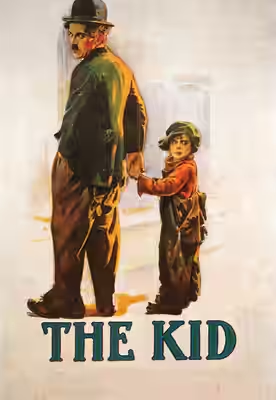
How does The 400 Blows compare to The Kid?
The 400 Blows is the sadder and more clear-eyed of the two, while The Kid is the warmer and funnier. Both follow a child with unreliable adults around him, but Truffaut lets Antoine stay difficult where Chaplin's affection tips into sentiment. Choose Truffaut if you want to remember school; choose Chaplin if you want to laugh while it hurts.
What should I watch after The 400 Blows?
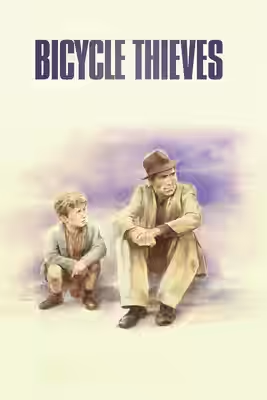
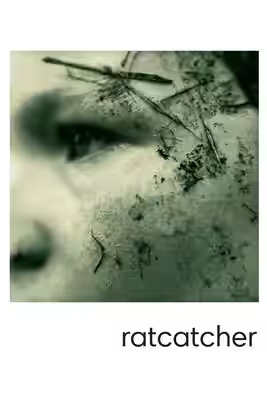
After The 400 Blows, try The Kid (1921, Fi1m 84): A resourceful child and an unreliable adult, with comedy that never forgets hardship. Then Bicycle Thieves (1948, Fi1m 93): Another city seen beside a child learning how badly adults can fail; and Ratcatcher (1999, Fi1m 88): Lynne Ramsay finds brief pleasures within a childhood shaped by poverty and guilt.

Cast

Awards

Academy Awards, 1960

Nominated
Best Writing, Original Screenplay

If you liked this, try…

  1. The Kid (1921, Fi1m 84)A resourceful child and an unreliable adult, with comedy that never forgets hardship.

  2. Bicycle Thieves (1948, Fi1m 93)Another city seen beside a child learning how badly adults can fail.

  3. Where Is the Friend's House? (1987) · not reviewed yetA schoolboy’s urgent errand meets adults who keep attending to the wrong things.

  4. Ratcatcher (1999, Fi1m 88)Lynne Ramsay finds brief pleasures within a childhood shaped by poverty and guilt.

  5. Nobody Knows (2004, Fi1m 87)Hirokazu Kore-eda watches neglected children cope, with patience and little sentimental reassurance.

Free account

Know what to watch tonight

Two lists that know where things are streaming, collections you can share, your own score beside ours, and Discover that remembers what you have seen.

  • Want to see, sorted by what is streaming now
  • Seen, with your score out of ten
  • No adverts, ever