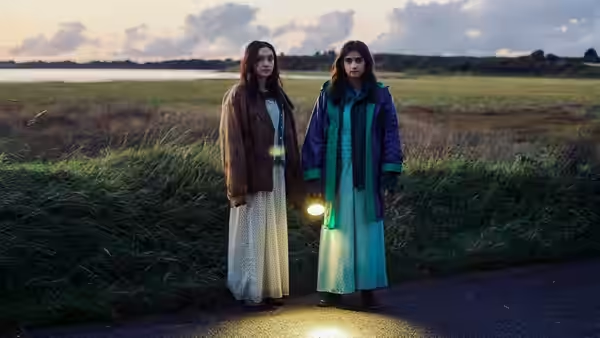
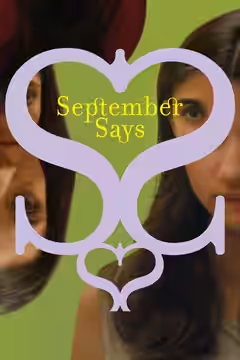
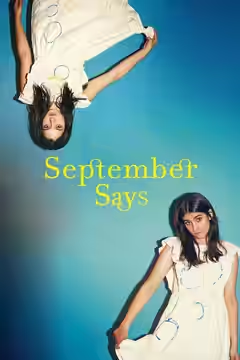
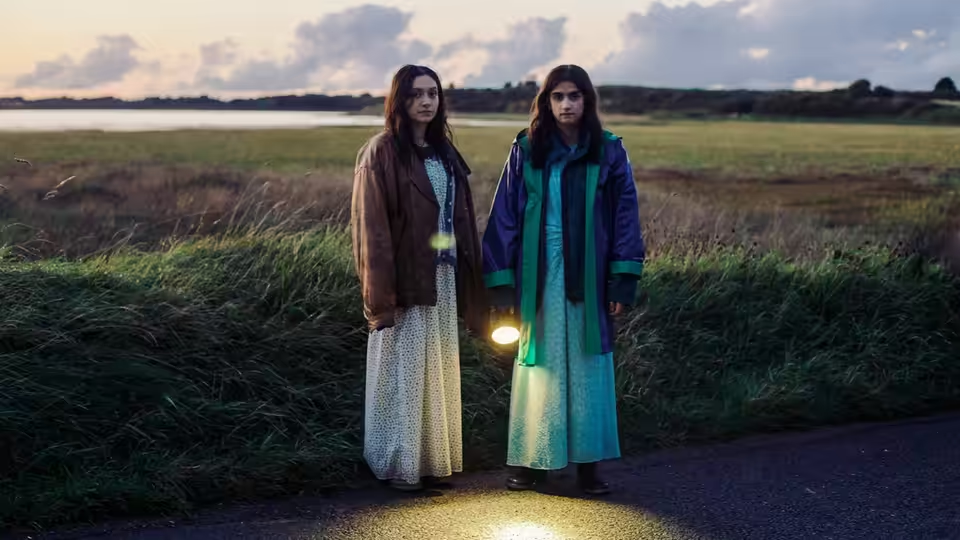
Two young women standing on a rural road at dusk holding a lantern
Film review

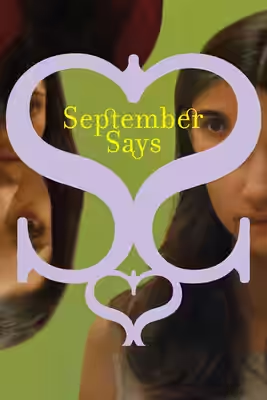
September Says

2025 · Directed by Ariane Labed · 1h 40m

In a sentenceSimon Says, if Simon were your older sister and the game never ended

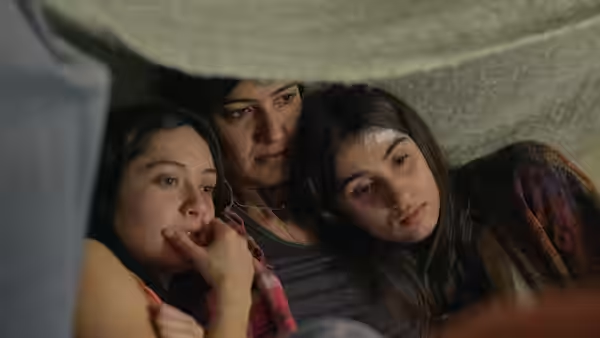
September (Pascale Kann) and July (Mia Tharia) are sisters who are rarely more than an arm’s length from each other. September gives the orders; July carries them out, in a game called September Says that neither of them has ever stopped playing. Their mother, Sheela (Rakhee Thakrar), mostly leaves them to it. Trouble at school ends with the three of them leaving England for an empty house in Ireland, where the phone line needs a man to come out and fix it, the neighbours keep their distance, and the sisters have nobody to talk to but each other.

Plays from YouTube when you press play; nothing loads from them until then.

Fi1m review

Ariane Labed’s first film as director is precise, clammy and well acted, and for an hour it holds us. Then a turn most viewers will have guessed arrives, is explained, and takes a good deal of the strangeness with it.

Ariane Labed has spent years in front of the camera for Athina Rachel Tsangari and Yorgos Lanthimos, and her first film as director, from Daisy Johnson’s novel Sisters, has learned from both: flat delivery, bodies that move as though drilled, a family that treats the rest of the world as a rumour. It is well made and well acted, and for most of its first hour it is properly unsettling. It then heads for a reveal that a fair number of viewers will have worked out ahead of it, and spends its last stretch confirming what we already suspected.

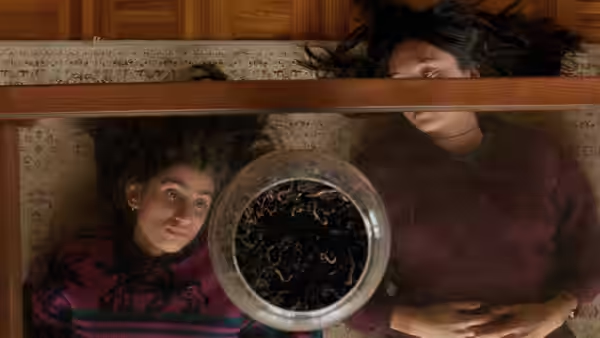
The sisters are the film, and Labed has cast them well. Pascale Kann plays September with her chin up and her arms loose, a girl who has never once been told no and would not have heard it. Mia Tharia plays July smaller, always half a step behind, watching her sister’s mouth for the next instruction. They share a bed, a wardrobe and, most of the time, a sentence. The game gives the film its title and its engine: September says, and July does, and the commands get worse. One early order, given in a level voice across a table and obeyed before it has quite finished, made us go cold. Nobody raises a voice. That is the point, and Labed knows it.

Rakhee Thakrar’s Sheela is the third person in the house and the loneliest, a mother who has lost the thread of her own daughters, and when things go wrong she goes to bed. Thakrar plays her with a tired patience that keeps threatening to curdle and never quite does. The film is honest about how a mother might end up frightened of her own children and ashamed of being frightened, and it does not ask us to like her for it.

The move to Ireland is where the craft earns its keep. Lauren Kelly’s production design gives the Irish house bare plaster, dark timber and rooms that seem to have been emptied rather than furnished, and Balthazar Lab lights them so the daylight looks second-hand, as though it had come through several other windows first. Saileóg O’Halloran puts the girls in shared, mismatched clothes that look handed down from one to the other and back again. Johnnie Burn’s music sits low under everything, closer to the hum of the house than to a score, and it is the reason the silences work. Bettina Böhler cuts hard, dropping whole hours between shots so that we are never sure how long the family has been shut in there.

The trouble is the story underneath. Johnson’s novel keeps its cards close; the film shows its hand by degrees, and around the hour mark we knew where it was going. We were not annoyed by that, at first. Plenty of good films let you see the end coming and make the arrival count. This one arrives, stops, and explains. The last twenty minutes replay what we had understood, in a slower tempo and with the meaning underlined, and the dread the first hour had built drains out through the gap. We left the cinema deflated rather than shaken, which is not what the opening promised.

The world outside the sisters is thin, too. Cal O’Driscoll’s John and Niamh Moriarty’s Jennifer are there to be stared at by the girls and then to leave, and the film is not much interested in what Ireland thinks of the three English arrivals in the big empty house. That may be the intention, a family so sealed that nobody else registers, but it leaves the middle of the film with only one room to be in.

Against the recent run of films about girls bound too tightly to each other, this is one of the better looking and less hysterical, and Kann and Tharia are the reason to see it. Bring some patience for the final act and do not go in expecting to be surprised. It runs 100 minutes and carries an 18 certificate, which the school scenes earn on their own.

Critical consensus AI synthesised

59
Positive
4
Mixed
2
Negative
2

The reviews lean cautiously positive, though the split is real. Most critics agree that Ariane Labed’s first film is assured for a debut, and the praise clusters on the two leads, whose closely choreographed physical performances several reviewers find both unsettling and tender. The transplant of Daisy Johnson’s novel to an Irish setting is generally credited with tightening the film into something claustrophobic, and the sisters’ too-close bond is widely felt to be well understood rather than merely gestured at.

The reservations gather around the late twist. Even admirers think it slightly undercuts the sombre mood built before it, and the sceptics go further: The Guardian finds the plot turn predictable, Deadline calls the resolution sad but familiar rather than strange, and The Times judges the whole transposition alienating and the twist preposterous. The spread is wide, from four stars to two, with IndieWire in the middle seeing bursts of brilliance in a patchy whole.

Little White Lies
19 February 2025 · 4/4/3 · Hannah Strong
80

The critic finds the film uncanny and tender as an assured directorial debut with magnetic leads and strange surreal elements grounded in British and Irish iconography, but notes that a third-act twist slightly undermines its sombreness.

Read the full review →
RogerEbert.com
26 May 2024 · festival review · Isaac Feldberg
75*

The film is an elegantly unmoored tale of two sisters in a tense examination of codependency and isolation. It shares a kinship with the darkly absurdist works of Labed's frequent collaborators while offering a tender perspective on adolescent escapism and painful revelations.

Read the full review →
Screen Daily
22 May 2024 · festival review
70*

The critic calls it an arresting directorial debut that captures the fragility of adolescence with preciseness and intimacy through strong performances, establishing a peculiar tone as it shifts from character study to something more mysterious and haunting.

Read the full review →
Sight and Sound
20 February 2025
70*

The critic praises Labed’s inventive debut for understanding the creepiness of sisters' dangerously close bond, highlighting the skilfully choreographed physical performances of the leads and the atmospheric shift to a claustrophobic Irish setting that heightens domestic terror.

Read the full review →
IndieWire
21 May 2024 · festival review · Sophie Monks Kaufman
50*

The critic describes Ariane Labed's debut as an atmospheric but patchy portrait of codependent sisters. It features promising bursts of brilliance amid its flaws.

Read the full review →
The Guardian
23 February 2025
50*

The critic finds Labed’s directorial debut an emotionally distant modern gothic adaptation of Daisy Johnson’s novel Sisters about too-close teenage sisters. It stumbles on familiar ground with a predictable plot twist despite stylish direction.

Read the full review →

Straight answers AI written, from our review

Is September Says worth watching?
September Says is worth watching for anyone who likes a slow, chilly drama about sisters, and we scored it 63. Ariane Labed's first film as director is well made and well acted, and its first hour is properly unsettling. The last twenty minutes explain a turn most viewers will have guessed, and a good deal of the dread drains out with it.
How long is September Says, and what is it rated?
September Says runs 1h 40m. It is a drama film.
Where can I watch September Says in the US?
September Says is not on any streaming or rental service in the US at the moment. It is available in 8 other countries; change your country at the top of the page to see where. Availability is checked daily.
How violent or frightening is September Says, and is it suitable for children?
September Says carries an 18 certificate in the UK and is not suitable for children. Nobody raises a voice and the fear comes from dread rather than shocks, but the older sister's commands grow cruel and the school scenes on their own earn the rating. It suits adults who can sit with an unpleasant atmosphere for a hundred minutes.
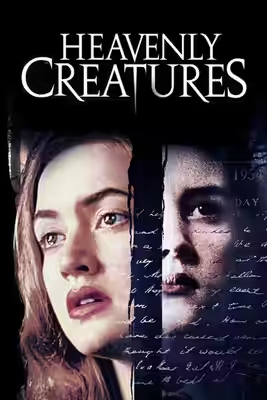
How does September Says compare to Heavenly Creatures?
September Says is the calmer and better-looking of the two, but Heavenly Creatures is the stronger film. Both follow two girls who build a private world the adults arrive too late to enter; Peter Jackson's is more consuming and stays unsettling to the end, while Ariane Labed's holds its nerve for an hour and then explains itself. See Labed's for the two leads, Jackson's for the whole.
Is September Says based on a true story or a book?
September Says is based on Daisy Johnson's novel Sisters, not on a true story. Johnson keeps her cards close; the film shows its hand by degrees and spells out in its final stretch what the book leaves you to work out. You do not need to have read it, and the film explains itself fully enough by the end that knowing the source adds little.

Cast

Awards

Golden Hitchcock, 2024

Won
Golden Hitchcock

If you liked this, try…

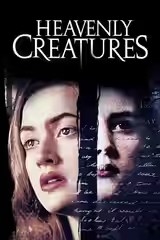
  1. Heavenly Creatures (1994, Fi1m 84)Two girls build a private world and the adults arrive too late to enter it.

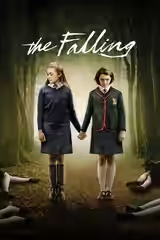
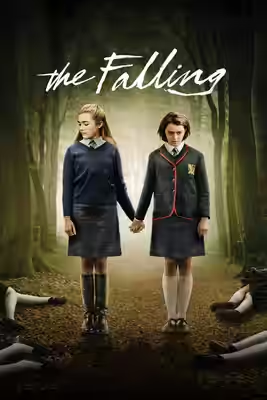
  2. The Falling (2014) · not reviewed yetEnglish schoolgirls, a shared fainting sickness and Maxine Peake as a mother who has withdrawn.

  3. Attenberg (2010) · not reviewed yetLabed in front of the camera, walking strangely, in the Greek film that made her name.

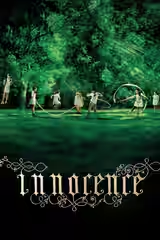
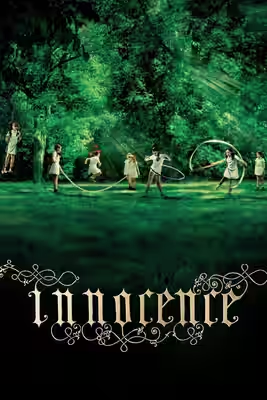
  4. Innocence (2004) · not reviewed yetA boarding school for small girls, no explanations, and a dread that never lifts.

  5. Thoroughbreds (2017) · not reviewed yetTwo rich teenagers, one without feelings, plotting in a very clean house.

Free account

Know what to watch tonight

Two lists that know where things are streaming, collections you can share, your own score beside ours, and Discover that remembers what you have seen.

  • Want to see, sorted by what is streaming now
  • Seen, with your score out of ten
  • No adverts, ever