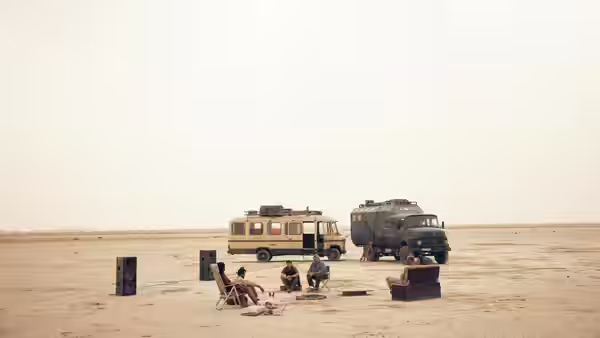
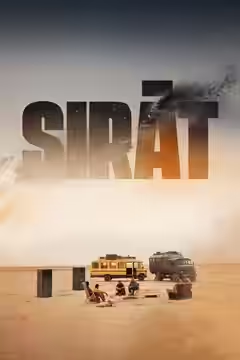
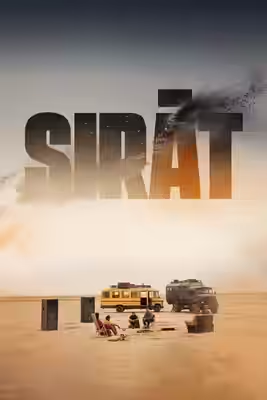
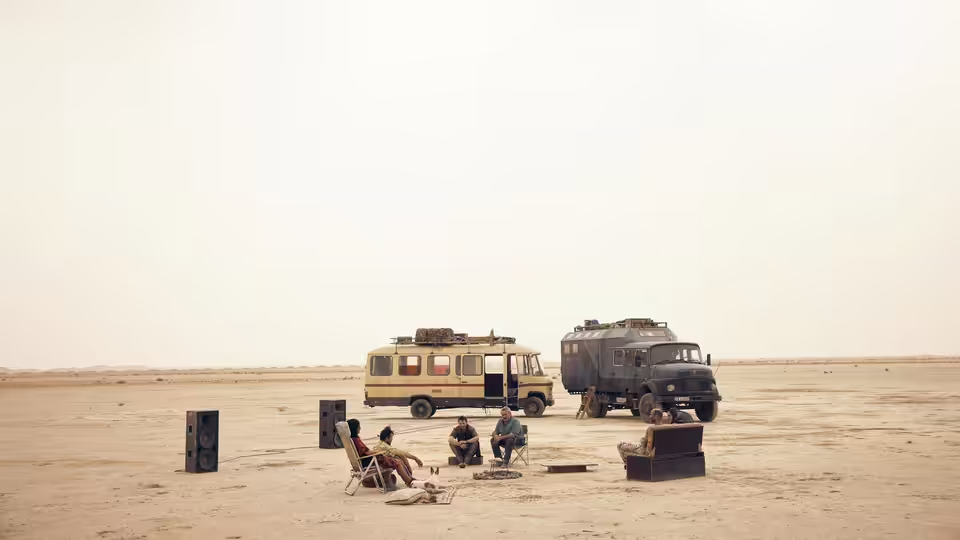
people sitting in chairs beside two vehicles in a desert
Film review

Sirāt

2025 · Directed by Oliver Laxe · 1h 55m · MPA R

In a sentenceA father looks for his daughter at a desert rave and finds, instead, the desert

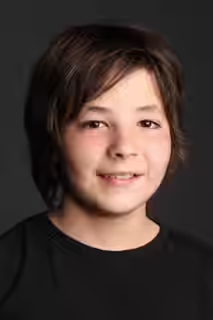
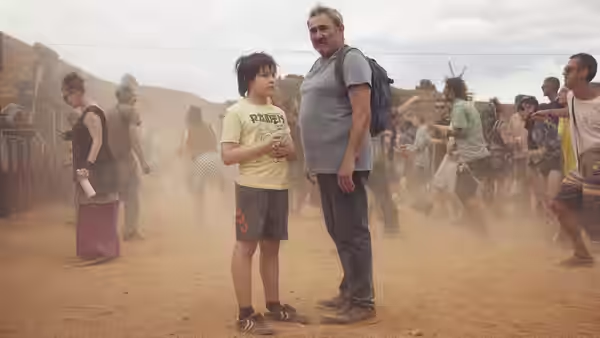
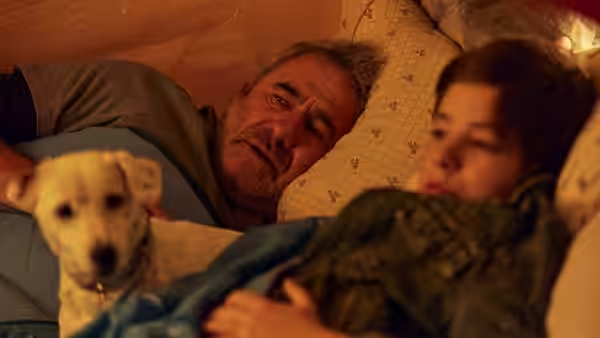
Luis (Sergi López), a middle-aged Spaniard, has come to a rave in the Moroccan desert with his young son Esteban (Bruno Núñez). His daughter is missing, and he moves through the dancers handing out flyers with her photograph. Nobody has seen her. A radio carries reports of a war, and soldiers arrive to clear the site. Luis hears of another party further south and, with nowhere else to look, follows a small convoy of ravers, Steff (Stefania Gadda), Josh (Joshua Liam Henderson), Bigui (Richard Bellamy), Tonin (Tonin Janvier) and Jade (Jade Oukid), in their battered trucks across the sand. Oliver Laxe’s film runs 115 minutes and carries a 15 certificate.

Plays from YouTube when you press play; nothing loads from them until then.

Fi1m review

Oliver Laxe sends a father and son looking for a missing daughter into a convoy of ravers and across the desert. It is loud, patient and frightening, and it earns nearly all of it; only a late surprise felt written rather than fated.

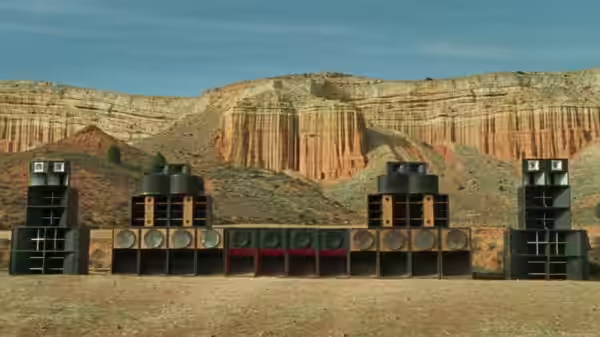
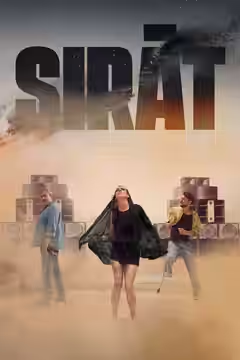
Sirāt opens with a speaker stack being bolted together in the middle of nowhere. Cables, sub-woofers, a generator, then the first kick drum, then people, dancing in the dust. Somewhere among them a middle-aged Spaniard, Luis (Sergi López), is handing out flyers with his daughter’s photograph, his young son Esteban (Bruno Núñez) beside him. Nobody has seen her. Oliver Laxe, who wrote the film with Santiago Fillol, spends a long time at this party, and he is right to. Everything that follows depends on our believing in it.

It is very good, and we recommend it with one caveat we will get to. For most of its 115 minutes it is the most physically frightening thing we have sat through in some time, and it gets there without much of what usually counts as plot. A radio carries reports of a war. Soldiers arrive and clear the site. Luis hears of another party further south and, having nothing else, follows a handful of ravers in their trucks. That is the story, or as much of it as we will describe.

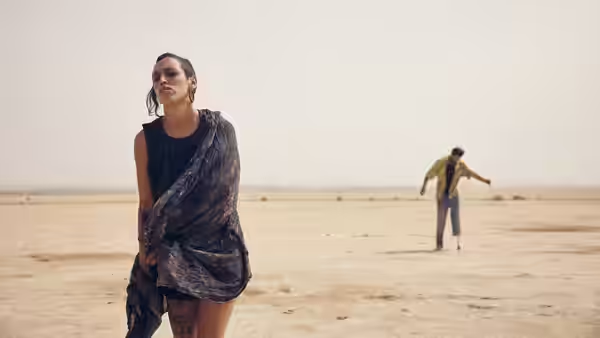
Mauro Herce shoots on 16mm, and the grain does a lot of the work: the desert looks hot and unkind, and the trucks look small on it. He shoots the dancers close, at hip height, so we are among bodies rather than watching them from a distance. Kangding Ray’s score is techno built almost entirely from the bottom up, kick and sub-bass with little on top, and in a cinema we felt it in the sternum before we heard it. Cristóbal Fernández cuts the party slowly, holding on faces long past the point a music video would, until the dancing stops looking like fun and starts looking like work.

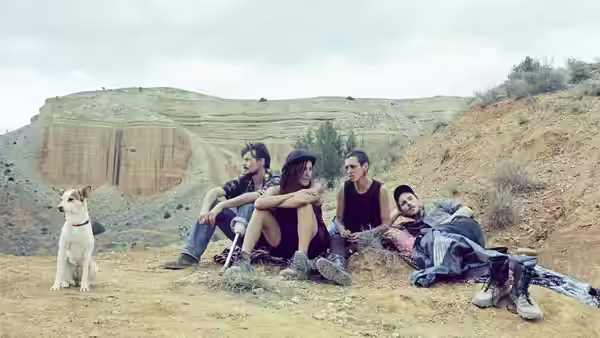
The ravers, Steff (Stefania Gadda), Josh (Joshua Liam Henderson), Bigui (Richard Bellamy), Tonin (Tonin Janvier) and Jade (Jade Oukid), are played by performers most critics take to be non-professionals, and they behave like people who have lived in these trucks for years. Laia Ateca’s production design gives each vehicle a history: bunks, spare parts, speakers wedged where the cargo should be. Nadia Acimi dresses them in salt-stained clothes that have plainly been slept in, and puts López in the sort of fleece a man packs for a weekend. He is the film’s anchor. López plays Luis as decent, tired and completely out of his depth, and the scenes where the ravers decide, without discussing it, to look after him and the boy moved us more than we expected. Nobody makes a speech about it. Someone passes him a bottle of water.

We were horrified more than once, and at one point we were angry with the film for a few minutes, because it had done something to us we had not agreed to. The anger did not last. Laxe has set every stage of it up, and looking back you can see him doing it; the film has been telling you what kind of world this is since the first radio report. A few critics have not forgiven him, and one or two think it mean-spirited. We do not. The film’s gentlest scenes come after its hardest ones, and they only work in that order.

Our caveat is the last stretch. The tension, once it takes hold, plays one note for a long time, and a late surprise felt less like fate than like a screenwriter. It is a small part of a long film and it does not undo the rest. It does make us think a braver cut would have stopped five minutes earlier.

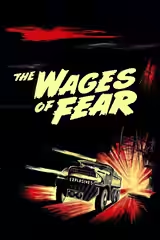
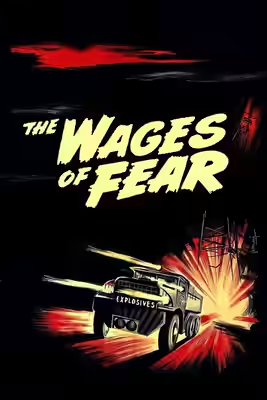
Several critics have reached for Clouzot’s The Wages of Fear (1953), and the comparison holds for the trucks and the nerves. What Laxe adds is the party, and the idea that the people best equipped for the end of things might be the ones who never planned for anything.

See it in a cinema, the biggest you can find, and sit where the sub-bass is. At home the opening will be a scene you watch. In a room with proper speakers it is a scene you are at, and the rest of the film depends on the difference.
Critical consensus AI synthesised

80
Positive
16
Mixed
1
Negative
2

Most critics like Sirāt a great deal: sixteen of nineteen reviews are positive, and only two reject it. The praise clusters around the sound. Almost every review names the techno score and the sound design, and several single out the opening rave, shot close and loose among nonprofessional ravers, as the film’s strongest stretch. The desert landscapes come next, along with the twists in the second half, which most reviews describe as brutal and decline to detail.

The reservations gather at the ending. The Hollywood Reporter finds the last act muddled, The AV Club thinks it too literal, Screen Daily finds the effect inconclusive, and The Wrap tires of the brutality. The two dissenters go further: The Guardian says the film loses meaning altogether in its second half, and The Skinny calls it sloppy and politically careless. Almost nobody argues about whether it is well made; the argument is about whether the second half earns what it puts the audience through.

Little White Lies
16 May 2025 · 4/5/5 · David Jenkins
100

The critic lauds it as a staggering major film that builds a community around a missing person search before pivoting into a symbolic fable dealing with survival and worship. They single out the audiovisual template of bass-heavy music and the ravers' utopian vision.

Read the full review →
Time Out
16 May 2025 · ★★★★★ · John Bleasdale
100

The critic calls it a startlingly original mix of The Wages of Fear and The Vanishing on shrooms, praising the desert landscapes, the makeshift family of ravers, and the dangerous twists in the second half.

Read the full review →
Evening Standard
25 February 2026 · Nick Howells
90*

The review hails it as an early contender for film of the year and an arthouse-to-mainstream crossover hit. They praise the body-melting techno soundtrack, the spectacular and gnarly desert sequences, and the unguessable brutal twists.

Read the full review →
RogerEbert.com
6 February 2026 · Brian Tallerico
90*

The critic praises the film's evocative imagery and sound design as a powerful, vibe-driven experience that evokes rather than explains. He highlights its unpredictable narrative turns and existential dread while noting its reminder of cinema's ability to move viewers through visuals and rhythm.

Read the full review →
The New Yorker
14 November 2025 · Justin Chang
90*

The critic describes the film as an astonishing, propulsive work of singular turbulent and transfixing power that begins in exhilaration and ends in despair while revealing compassion amid fate's cruelty. He singles out its intimate exchanges, communal bonds and the way it leaves the viewer invigorated rather than drained.

Read the full review →
The Observer
27 February 2026 · Wendy Ide
90*

Óliver Laxe’s desert rave odyssey Sirāt is unlike any other film, beginning with an extended sequence of exultant revellers before taking us on a journey to the edge of the abyss. It is a piece of extraordinarily visceral film-making that combines deep spirituality with nihilistic abandon.

Read the full review →

Straight answers AI written, from our review

Is Sirāt worth watching?
Sirāt is worth watching for anyone who can sit through a slow, loud and physically frightening thriller, and we scored it 83. Oliver Laxe follows a father and son across the Moroccan desert with a convoy of ravers, and Sergi López anchors it as a decent man out of his depth. Our one caveat is a late surprise that felt written rather than fated.
How long is Sirāt, and what is it rated?
Sirāt runs 1h 55m and is rated R by the MPA in the US. It is a drama and thriller film.
Where can I watch Sirāt in the US?
Sirāt is streaming on Disney+ in the US, and it is also available to rent from Amazon Prime Video from $5.99. Availability is checked daily; the links above go straight to each service.
How violent or frightening is Sirāt, and is it suitable for children?
Sirāt carries a 15 certificate in the UK and an R in the US, and it is not suitable for children. There is no conventional violence for most of its running time, but we found it more physically frightening than most thrillers, and it does something to the viewer late on that some critics have not forgiven. The squeamish and the easily unsettled should know that going in.
How does Sirāt compare to The Wages of Fear?
Sirāt borrows the trucks and the nerves of The Wages of Fear, but what Oliver Laxe adds is the rave and the people in it, so it is as much about a community as about a road. Clouzot's film is the tighter of the two and the better pure thriller; Laxe's is looser, stranger and gentler in places. Newcomers to slow cinema should start with Clouzot.
What should I watch after Sirāt?
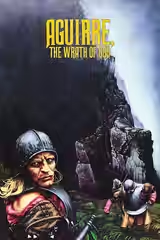
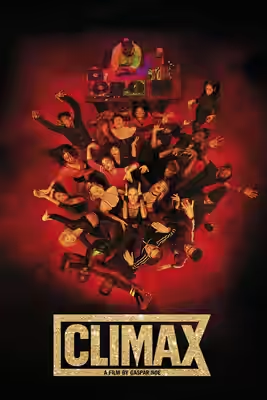
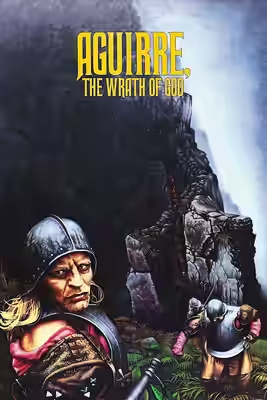
After Sirāt, try The Wages of Fear (1953, Fi1m 90): Trucks, nitroglycerine and men who know the road will kill them; the template. Then Climax (2018, Fi1m 73): A dance troupe, a bowl of spiked sangria, and a night that will not stop; and Aguirre, the Wrath of God (1972, Fi1m 91): Conquistadors drift downriver into madness; the river does what the desert does here.

Cast

Awards

Academy Awards, 2026

Nominated
Best International Feature Film

Gaudí Award for Best Art Direction, 2026

Won
Gaudí Award for Best Art Direction

Gaudí Award for Best Cinematography, 2026

Won
Gaudí Award for Best Cinematography

Gaudí Award for Best Makeup, 2026

Won
Gaudí Award for Best Makeup

Gaudí Award for Best Non-Catalan Language Film, 2026

Won
Gaudí Award for Best Non-Catalan Language Film

Gaudí Award for Best Original Score, 2026

Won
Gaudí Award for Best Original Score

Gaudí Award for Best Production Director, 2026

Won
Gaudí Award for Best Production Director

Gaudí Award for Best Sound, 2026

Won
Gaudí Award for Best Sound

Gaudí Award for Best Visual Effects, 2026

Won
Gaudí Award for Best Visual Effects

FIPRESCI Grand Prix, 2025

Nominated
FIPRESCI Grand Prix

Jury Prize, 2025

Won
Jury Prize

If you liked this, try…

  1. The Wages of Fear (1953, Fi1m 90)Trucks, nitroglycerine and men who know the road will kill them; the template.

  2. Climax (2018, Fi1m 73)A dance troupe, a bowl of spiked sangria, and a night that will not stop.

  3. Gerry (2002) · not reviewed yetTwo men walk into the desert and keep walking; patience used as horror.

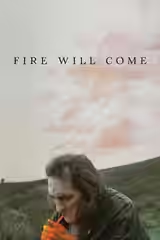
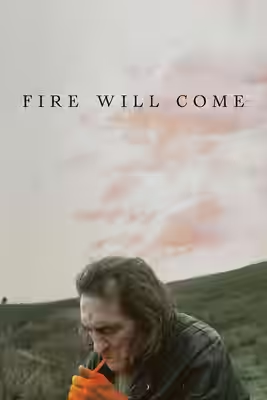
  4. Fire Will Come (2019) · not reviewed yetLaxe’s earlier film, an arsonist home in Galicia; quieter, same eye for landscape.

  5. Aguirre, the Wrath of God (1972, Fi1m 91)Conquistadors drift downriver into madness; the river does what the desert does here.

Free account

Know what to watch tonight

Two lists that know where things are streaming, collections you can share, your own score beside ours, and Discover that remembers what you have seen.

  • Want to see, sorted by what is streaming now
  • Seen, with your score out of ten
  • No adverts, ever