Rami Malek’s grieving code-breaker is an interesting man to hand a gun to, and one rooftop set piece justifies the trip. Around it, Ken Nolan and Gary Spinelli’s script gives him every answer a password away, and revenge with no risk is just travel.
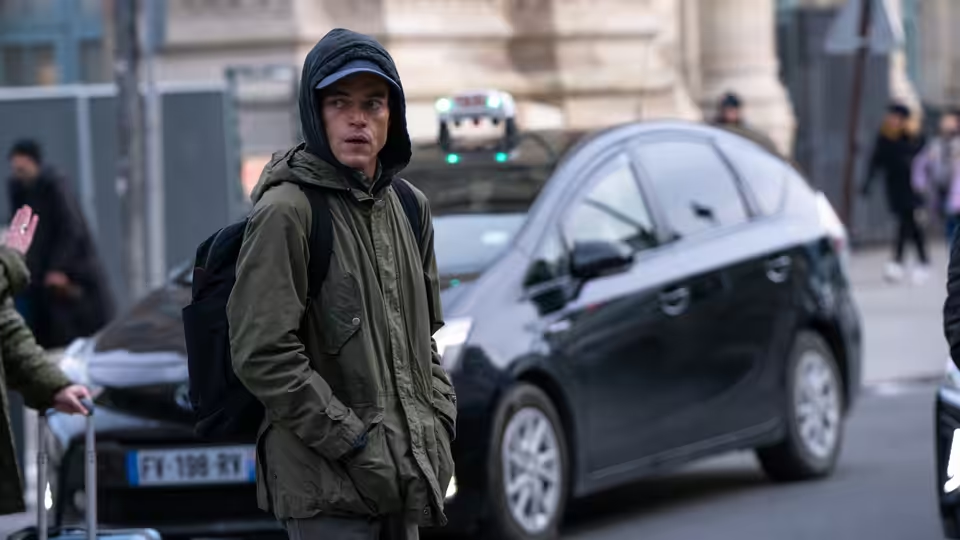
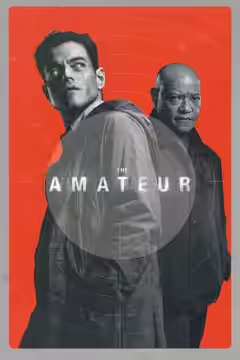
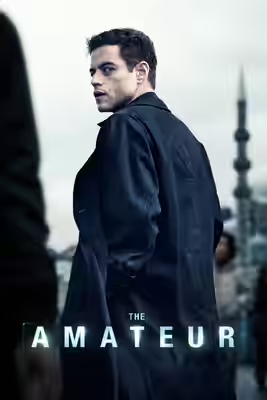
James Hawes has made a spy thriller from Robert Littell’s novel in which the hero cannot do the one thing spy heroes do. Charlie Heller (Rami Malek) breaks codes for the CIA and has never been in a fight. When his wife is killed in London he wants the men responsible dead, and the film’s one idea, which is a good one, is to ask what a clever, frightened man does with that wish. For about forty minutes The Amateur takes the question seriously. Then Ken Nolan and Gary Spinelli’s script starts answering it for him, and the answers all arrive through a screen.
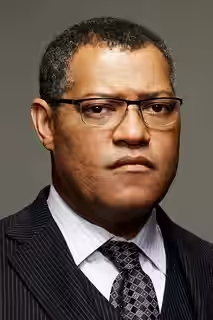
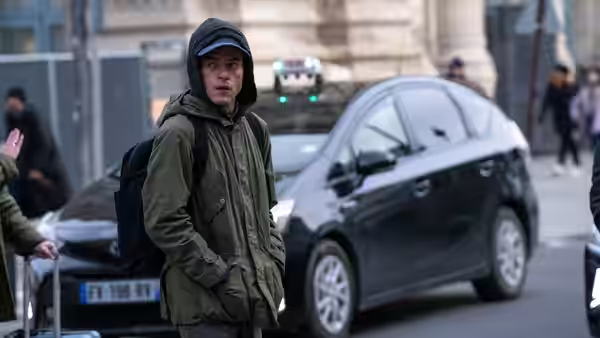
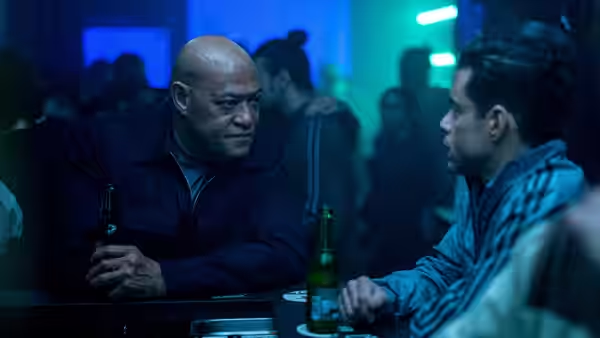
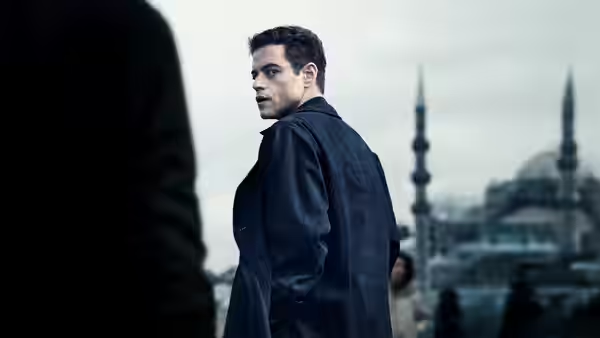
Malek is an odd fit and mostly a useful one. He plays Heller as a man embarrassed by his own body, shoulders up, eyes on the floor, a voice that sounds as if it is asking permission. It works on the shooting range, where Laurence Fishburne’s Henderson watches him miss a target at ten paces and tells him, without malice, that he will never be a killer. It works less well at the graveside. We felt more for Heller when he could not pull a trigger than when he lost his wife, because the film gives Rachel Brosnahan’s Sarah a handful of scenes before it needs her gone, and we had not had time to miss her.
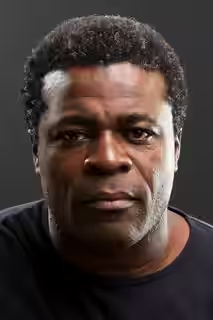
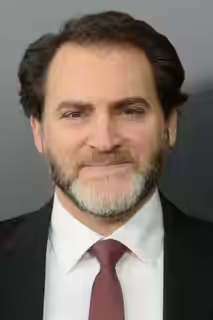
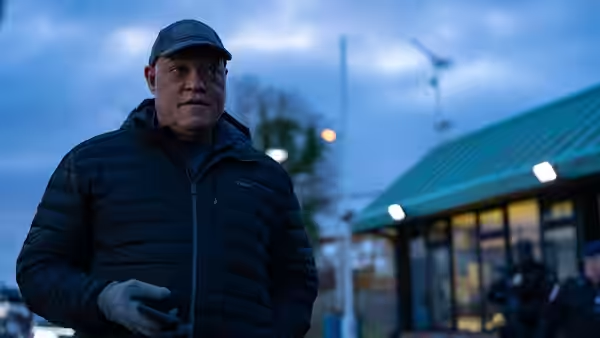
Fishburne is the best thing in it. He plays Henderson as a tired professional who has trained better men than this and buried some of them, and every scene he shares with Malek has a weight the rest of the film lacks. Holt McCallany’s Director Moore is a slab of a man who lies without blinking, which is all the part asks of him. Julianne Nicholson, Michael Stuhlbarg, Caitríona Balfe and Jon Bernthal are all here and none of them is given more than a scene or two that matters. Bernthal in particular turns up, is interesting for ten minutes, and is put away.
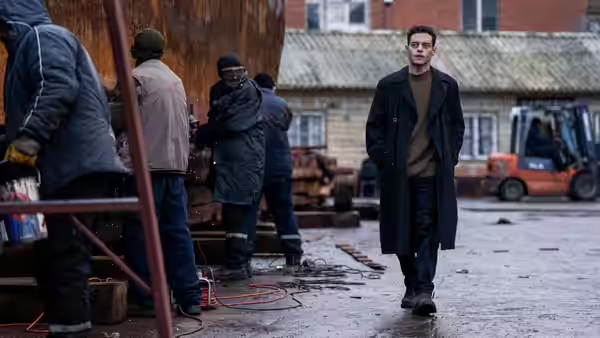
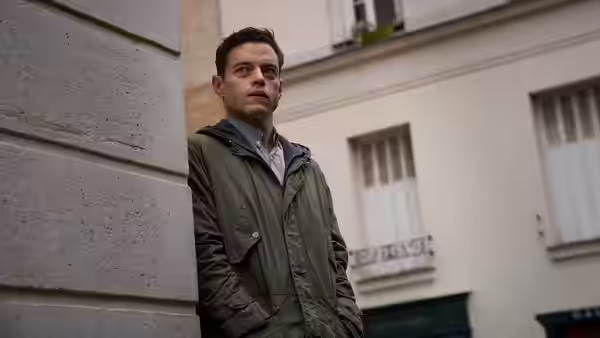
The film looks expensive in the right way. Martin Ruhe shoots real streets in flat grey daylight, and Maria Djurkovic gives the agency a basement of humming servers and strip light that looks like somewhere people work. Hauschka’s score is mostly piano and low strings, and it stays quiet while Heller is thinking, which is often. Jonathan Amos cuts the surveillance sequences so we can follow what Heller is looking at and why, which is harder than it sounds. And there is one set piece, on a rooftop in Berlin, involving a swimming pool with a glass floor and a man standing on it, that made us flinch and then sit forward. We will not say how it ends. It is the only stretch of the film in which Heller’s cleverness costs him anything, and it is over quickly.
The trouble is the laptop. Heller cannot fight, so the script gives him the whole connected world instead: every camera, every door, every bank account, opened in a few keystrokes with nobody on the other side pushing back. Once a film lets its hero do that, nothing is difficult, and we could feel the tension drain out of it scene by scene. We stopped worrying for him somewhere around the second city, and we did not start again. The 12A certificate does not help. People die in this film and it barely leaves a mark on anyone, Heller included.
The Amateur has almost no jokes, and the seriousness sits awkwardly on a plot this far-fetched. The best films about desk men sent into the field make them prey, and keep them prey. Heller is never prey. He is hunted, technically, but the hunters are so slow and he is so well informed that we never once believed he might lose.
Most critics landed about where we have, and we understand the split. At 123 minutes it does not overstay, and if you like Malek and have a taste for the well-tailored European thriller it will fill an evening without insulting you. You will remember the pool. Given a week, you may struggle to remember much else.