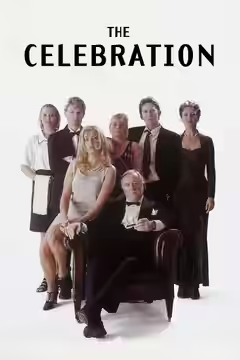
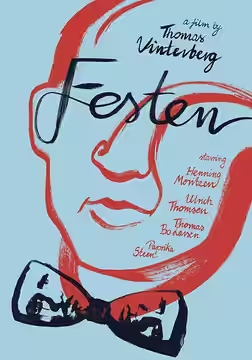
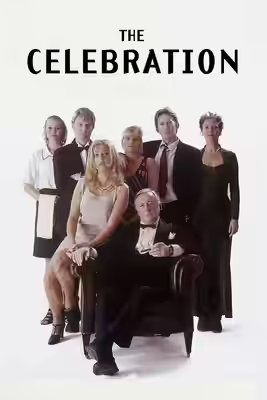
Thomas Vinterberg’s family birthday drama is funny, frightening and worth the discomfort. Ulrich Thomsen holds our attention through the chaos, even when the restless camerawork seems determined to compete with him.
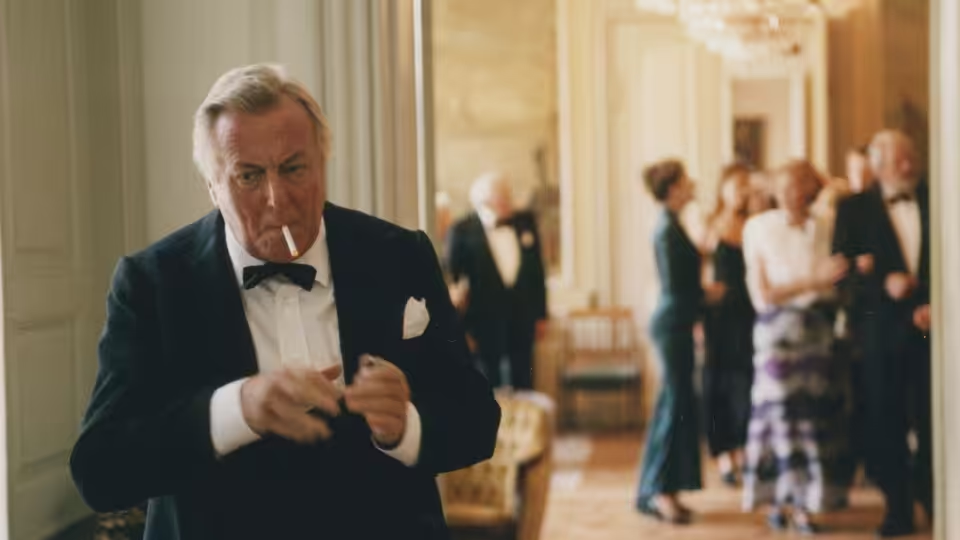
The Celebration is a fierce, funny family drama that we recommend, provided the restless camera does not send you looking for the remote. Thomas Vinterberg stages a patriarch’s birthday as an occasion when relatives must hear things about their family that they would rather leave unspoken. The familiar setup earns its place because the cast make listening, evading and waiting to speak feel so difficult. There is cruelty here, but Vinterberg also understands the embarrassment of interrupting a celebration.
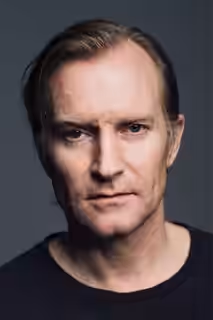
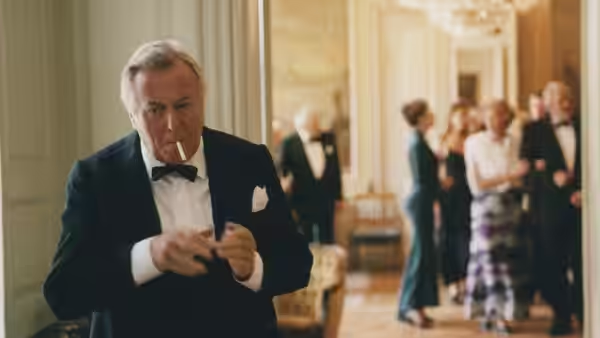
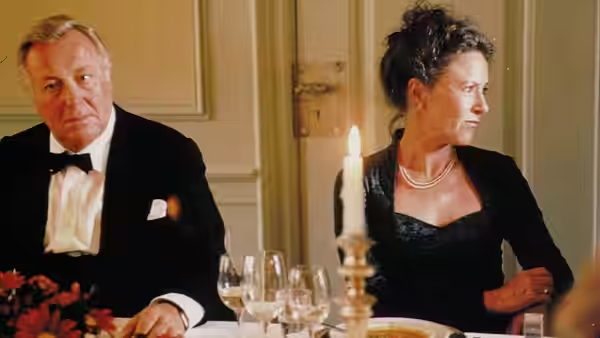
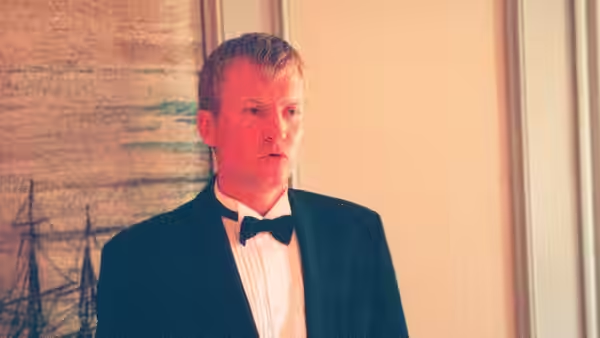
Ulrich Thomsen, as Christian, gives the film the stillness it needs. His hesitant performance makes us conscious of the effort involved in speaking at all, and he does not hurry to make a feeling legible. Henning Moritzen, as the father, provides a formidable presence without making every response an announcement of character. Thomas Bo Larsen’s Michael supplies the more volatile energy, and the contrast keeps the family from sounding as though it has rehearsed its crisis.
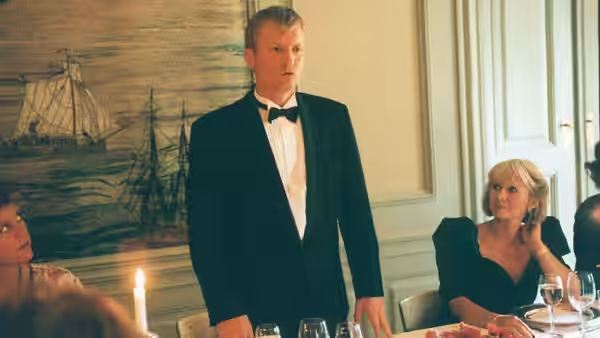
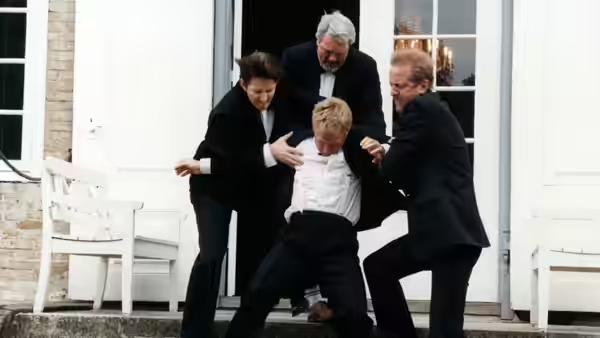
We laughed at the effort to maintain birthday-party manners, then felt sick about laughing. The film places family abuse inside an occasion whose purpose is to honour the father, and the collision is horrible. Vinterberg allows the farce to continue without making the pain seem negligible. We notice how much can be excused when everyone has agreed that a gathering is supposed to be pleasant, and how difficult it becomes to break that agreement.
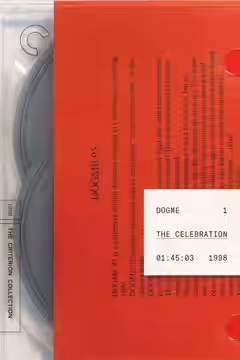
Anthony Dod Mantle’s hand-held cinematography gives the gathering an unsettled, immediate quality, and it suits performances in which people seem unsure what to do next. That is where the Dogme 95 approach works. The roughness does not automatically make the behaviour more truthful, however; at times the camera’s activity becomes distracting. When the actors are already communicating uncertainty, another movement can be one distraction too many, particularly when a face deserves our undivided attention.
Valdís Óskarsdóttir’s editing keeps the confrontation moving without tidying every awkward exchange into a clean dramatic beat. The shifts across the ensemble stop the film from becoming a succession of isolated acting turns, which matters in a story about a whole family’s conduct. Lars Bo Jensen’s music leaves less of an impression than the hesitant voices, which is appropriate here. The 101-minute running time feels well judged: there is room for discomfort to develop without every exchange being prolonged to underline it.
The screenplay, by Vinterberg and Mogens Rukov, is less secure when it pushes for another shock. There are moments when we can feel the writers arranging the confrontation, and the actors have to work against the insistence that everything should matter so much. The abruptness that helps the performances can also make a dramatic development feel too easy. A few exchanges are pressed so hard that the family’s behaviour starts to seem calculated for our benefit.
Family dramas can become exhausting when the sole attraction is waiting for the next person to lose control. Here the cast make the effort to contain themselves absorbing, and Vinterberg leaves room for us to recognise suffering beneath behaviour we might otherwise dismiss. Thomsen, Moritzen and Bo Larsen give us enough to watch that the stylistic fuss rarely wins. Watch it with someone who does not need the conversation afterwards to be cheerful.