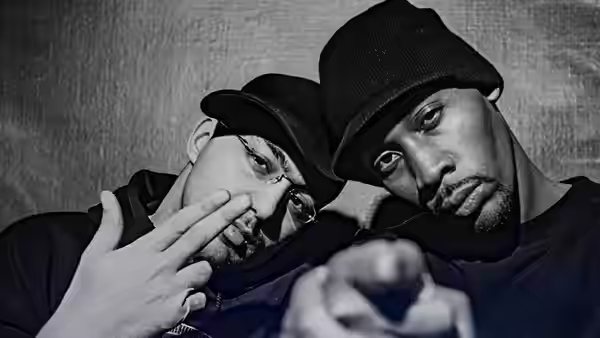
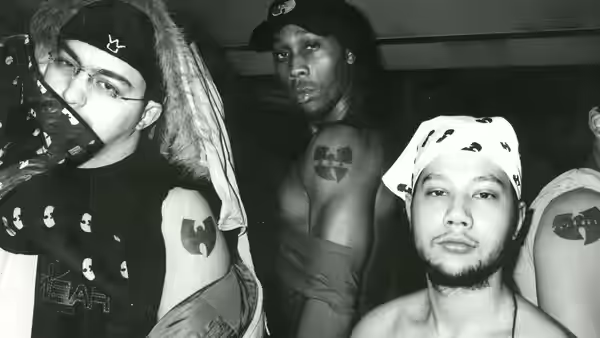
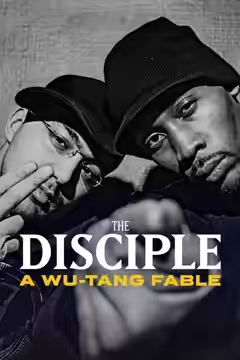
Cilvaringz makes an engaging guide to an improbable music-business story, but Joanna Natasegara’s documentary gives his account too little resistance. The one-copy album is intriguing; the narrowness of the telling grows frustrating.
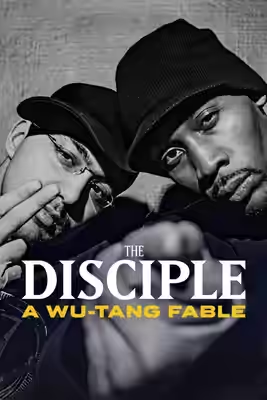
Joanna Natasegara’s The Disciple: A Wu-Tang Fable has a subject that scarcely needs embellishment: a Wu-Tang album produced in a single copy. It is an absorbing idea for a documentary, and Cilvaringz provides a personable way into it. The trouble is that his account receives too little challenge, while the later stretches become less clear. We find enough here to sustain curiosity, but not enough to recommend the film beyond an audience already invested in the group.
Cilvaringz is the film’s strongest asset, a narrator whose appeal helps make the unlikely rags-to-riches story worth following. His presence gives the account a human centre, something a documentary about an unusual record could easily lack. There is pleasure in the improbability of the tale, and the director is right to give him room to tell it. We can see why a film-maker would want him to keep talking.
The single-copy premise makes us smile, then leaves us faintly depressed. A recording made so scarce invites us to think about possession before we think about listening, and that is an odd priority for a music documentary. The film has a chance to ask who benefits when an album is treated this way. Its narrow choice of voices makes that enquiry less searching than the subject deserves.
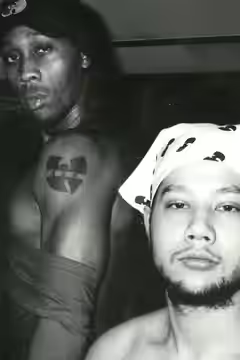
RZA also appears as himself, but key Wu-Tang members are absent. That matters because Cilvaringz’s charm cannot do the work of a competing account. We need enough other perspectives to judge what we are hearing, particularly when the subject involves a group of musicians. Joanna Natasegara gives us access to an engaging narrator without doing enough to test the account he offers.
Chris Dickens and Chloe Lambourne edit a story whose early appeal gives way to a more meandering later account. The problem is partly one of emphasis: spending longer with a compelling speaker does not necessarily bring greater understanding. At 105 minutes, the film has room to accommodate a fuller range of perspectives. The uncertainty that remains feels like unfinished reporting, and the closing account leaves too much about the situation unresolved.
The cinematography is credited to Franklin Dow and Pierre Aïm, and the music to Mj Cole. The film’s strongest attraction, though, is the personality of its narrator and the oddity of the album’s story. A documentary need not become a lecture about the economics of music to be useful. It does need to pursue the questions raised by its own subject, especially when so few participants get to speak.
A music documentary ought to leave us better able to judge the story it tells, particularly when that story involves such an unusual undertaking. Here, too much depends on how readily we accept the central speaker’s version. There is enough material to interest committed Wu-Tang listeners, but little reason to expect everyone else to share that patience. Approach it as one participant’s account, and keep the unanswered questions in mind.