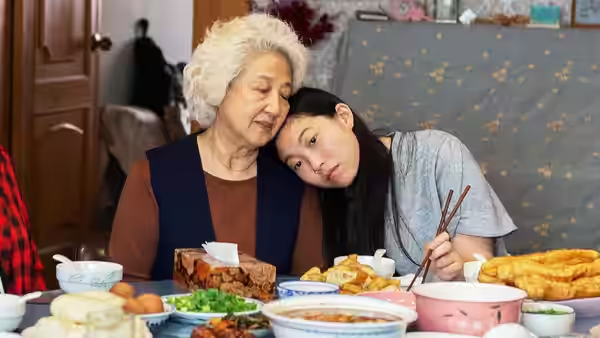
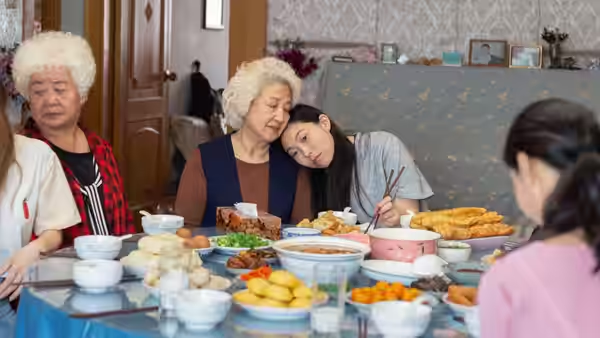
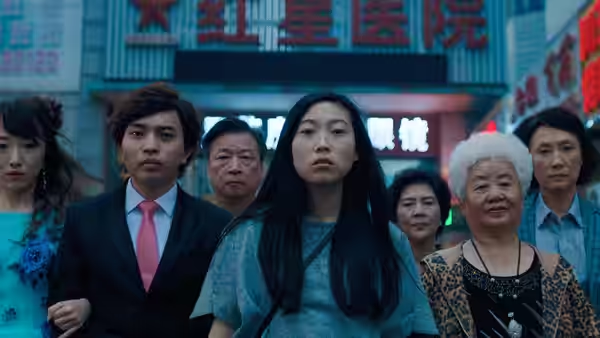
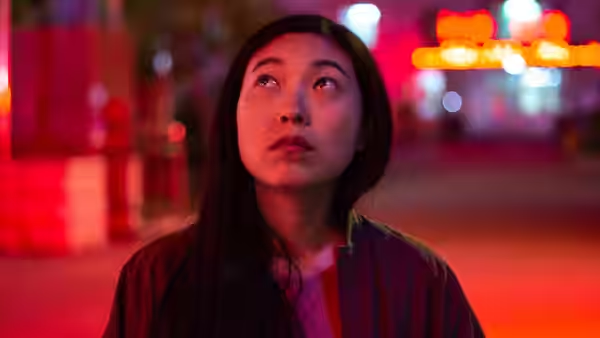
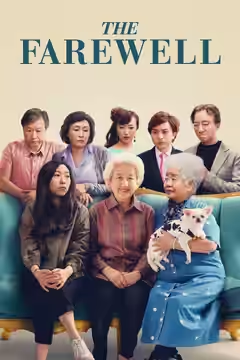
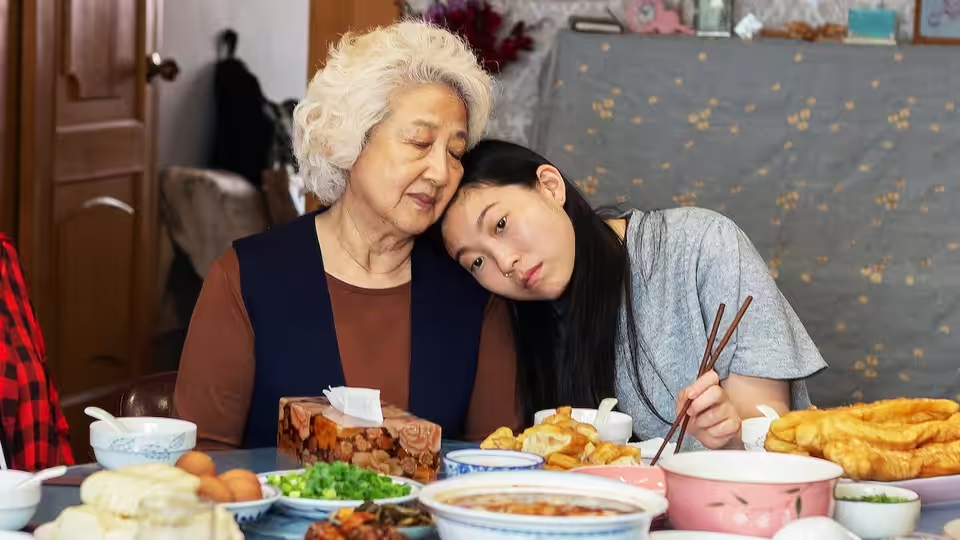
Nai Nai (Zhao Shuzhen) and Billi (Awkwafina) at a laden dinner table
Film review

The Farewell

2019 · Directed by Lulu Wang · 1h 40m · MPA PG

In a sentenceA fake wedding is an elaborate way to avoid a conversation, but we understand the attraction

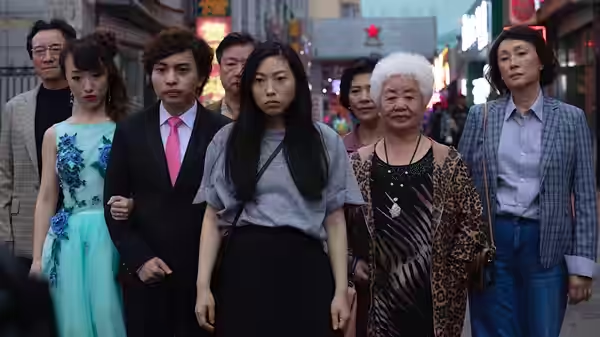
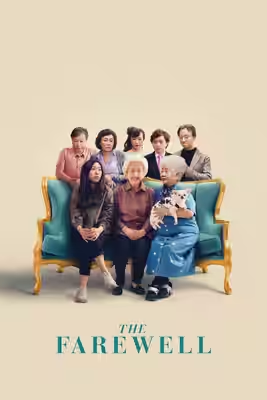
Billi (Awkwafina), a young Chinese-American woman, learns that her grandmother, Nai Nai (Zhao Shuzhen), has terminal cancer. Her family decides not to tell Nai Nai and arranges a fake wedding so relatives can gather without explaining why. Billi wants to be honest with her grandmother, but the family regards silence as a way of protecting her. Little Nai Nai (Hong Lu) is among those caught up in the deception. As wedding preparations give everyone a reason to be together, Billi must decide how to behave around the person they have come to see.

Plays from YouTube when you press play; nothing loads from them until then.

Fi1m review

Lulu Wang’s family drama is funny, painful and worth making time for, especially for Awkwafina and Zhao Shuzhen. Its explanations can be too tidy, but the performances make the family’s deception difficult to dismiss.

Lulu Wang’s The Farewell is funny and quietly upsetting, and we recommend it with a small reservation about how often it explains the family’s thinking. The writer and director gives a Chinese-American family a practical problem: how to gather around a grandmother with terminal cancer without telling her why everyone has come. A fake wedding provides the excuse. Billi’s objection is understandable, but so is the family’s wish to spare Nai Nai fear.

Awkwafina makes Billi’s unease the right size for a comedy in which nobody can quite say what they mean. Her subdued performance gives the family’s attempts at cheerfulness something uncomfortable to work against. We were moved by how little she seems able to join in, with Nai Nai still present and everyone already preparing to miss her. The sadness comes from having to conduct an ordinary conversation under those conditions, and Awkwafina does not force it.

Zhao Shuzhen is crucial because Nai Nai has the warmth and force of someone whose family would organise itself around her. She makes it difficult to think of the grandmother only as a patient, which helps us understand the relatives’ decision to keep quiet. Hong Lu’s Little Nai Nai adds to the sense of relatives who have known each other’s habits for years. The ensemble makes the deception feel like an awkward family undertaking, carried out by people with different capacities for concealing their feelings.

In the conversation staged against wedding photographs, Anna Franquesa Solano keeps the cheerful background part of the scene. Lee Yong-ok’s production design earns its place in the comedy here: the displayed happiness sits awkwardly behind people struggling with what to say. It is a useful visual detail, doing some of the work that the script elsewhere gives to explanations. The photographs keep the wedding present even during a private exchange.

Michael Taylor and Matthew Friedman keep the changes between humour and distress unshowy, giving the performances room without making each hesitation feel momentous. At 100 minutes, the film has space for small exchanges, although a few repeat what we already understand. Alex Weston’s score is sympathetic, but its tenderness occasionally feels more definite than the mixed feelings on the actors’ faces. These are small lapses in a film that usually knows how much its cast can convey without assistance.

The reservation concerns the writing most of all. When the family explains its reasons for withholding the diagnosis, the distinction between Billi’s expectations and theirs can sound too neatly settled. We understand the need to make those differences clear, but a few of these exchanges tell us what the uneasy performances have already shown. The comedy is sharper when affection and exasperation coexist without anyone being required to explain what their culture believes.

There is a familiar version of this story that would spend its time dividing the relatives into cowards and truth-tellers. This film is more interested in why decent people agree to something that troubles them, and its affection never makes the choice look painless. That generosity is a good reason to watch it with family. Allow for a little over-explanation, and leave time to disagree afterwards.

Critical consensus AI synthesised

82
Positive
14
Mixed
1
Negative
0

Most critics warmly recommend The Farewell, with praise centred on Lulu Wang’s controlled direction and her balance of family comedy with the sadness of impending loss. Awkwafina’s restrained performance draws particular attention, while Zhao Shuzhen’s grandmother gives the ensemble much of its warmth and emotional force. The reviews also value the cultural detail: the family’s deception prompts questions about love, duty and immigrant identity without reducing the differences to a simple contest between right and wrong.

Reservations concern how much story and character development support the premise, rather than the performances. Screen Daily offers the clearest dissent, finding the film touching but slight, with too little narrative drive or depth; The AV Club also finds it scattered and occasionally maudlin. The spread is otherwise largely positive, though critics differ over whether the film’s strength lies chiefly in its cultural specificity or its wider resonance.

Slant Magazine
12 July 2019 · ★★★½/4
88

The film thoughtfully braids the somber and the absurd, tapping into universal truths about loss and how families prepare for it. Awkwafina gives a revelatory lead performance as the story mixes contemplative drama with comic moments.

Read the full review →
Little White Lies
18 September 2019 · 4/4/4 · Carol Grant
80

The critic praises the film's precise, empathetic portrayal of a Chinese-American family staging a fake wedding to gather before the grandmother's death from cancer, highlighting Wang's confident direction and authentic performances, especially Zhao Shuzhen's. It values cultural specificity over universality and provokes questions about tradition and identity.

Read the full review →
Radio Times
★★★★ · Dave Aldridge
80

Describes it as an upbeat, joyous, life-affirming drama leavened with laughs, despite the terminal illness premise, praising the entertaining blend of languages and life lessons.

Read the full review →
Time Out
16 September 2019 · ★★★★ · Tomris Laffly
80

The review calls it bittersweet and witty, commending Awkwafina's thoughtful performance and Wang's handling of the 'good lie' theme, emphasizing small details of culture and family love that transcends borders.

Read the full review →
The AV Club
8 July 2019 · B · Beatrice Loayza
77

The film captures cultural tension with tenderness but feels scattered and veers into maudlin territory. Wang balances morbid material and humor, though character development and emotional catharsis are under-developed.

Read the full review →
Screen Daily
25 January 2019 · festival review
50*

Calls it a touching albeit slight dramedy with emotional truths from the cast but criticizes insufficient narrative drive and depth, noting the strong conceit but that the story lags.

Read the full review →

Straight answers AI written, from our review

Is The Farewell worth watching?
The Farewell is worth watching for anyone who wants a family comedy that is also quietly upsetting, and we scored it 84. Awkwafina and Zhao Shuzhen carry a story about relatives arranging a fake wedding rather than telling a grandmother she is dying. Our reservation is that the script sometimes explains the family's reasoning after the performances have already made it clear.
How long is The Farewell, and what is it rated?
The Farewell runs 1h 40m and is rated PG by the MPA in the US. It is a comedy and drama film.
Where can I watch The Farewell in the US?
The Farewell is available to rent from Amazon Prime Video and Apple TV from $2.99. Availability is checked daily; the links above go straight to each service.
How does The Farewell compare to The Wedding Banquet?
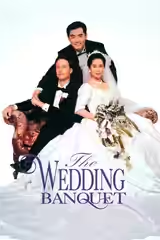
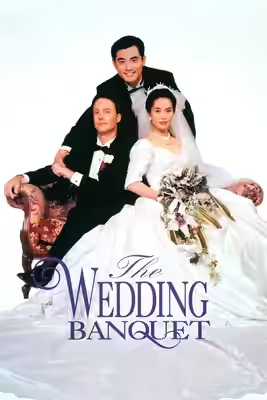
The Farewell is the gentler and sadder of the two, while The Wedding Banquet is the broader farce. Both use a wedding to hide a family secret, but Ang Lee's film plays more for laughs and occasionally labours them, where Lulu Wang's stays close to grief and sometimes over-explains it. Choose The Farewell for the performances, The Wedding Banquet for the comedy.
What should I watch after The Farewell?
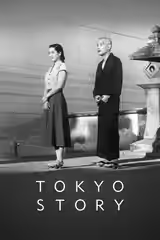
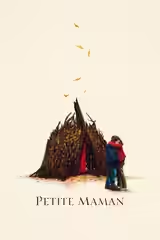
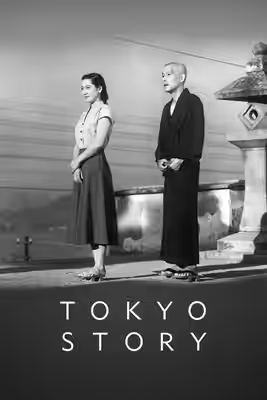
After The Farewell, try The Wedding Banquet (1993, Fi1m 81): Another wedding conceals a family secret, with sharper farce and equally complicated loyalties. Then Tokyo Story (1953, Fi1m 92): For the ordinary family conversations that become painful once we hear what remains unsaid; and Petite Maman (2021, Fi1m 88): A quieter encounter with family grief, told through a child’s curiosity and shared play.

Cast

If you liked this, try…

  1. Still Walking (2008) · not reviewed yetA family gathering lets old resentments surface through food, politeness and small evasions.

  2. The Wedding Banquet (1993, Fi1m 81)Another wedding conceals a family secret, with sharper farce and equally complicated loyalties.

  3. Tokyo Story (1953, Fi1m 92)For the ordinary family conversations that become painful once we hear what remains unsaid.

  4. The Savages (2007) · not reviewed yetTwo siblings face a parent’s decline with awkward jokes and little talent for reassurance.

  5. Petite Maman (2021, Fi1m 88)A quieter encounter with family grief, told through a child’s curiosity and shared play.

Free account

Know what to watch tonight

Two lists that know where things are streaming, collections you can share, your own score beside ours, and Discover that remembers what you have seen.

  • Want to see, sorted by what is streaming now
  • Seen, with your score out of ten
  • No adverts, ever