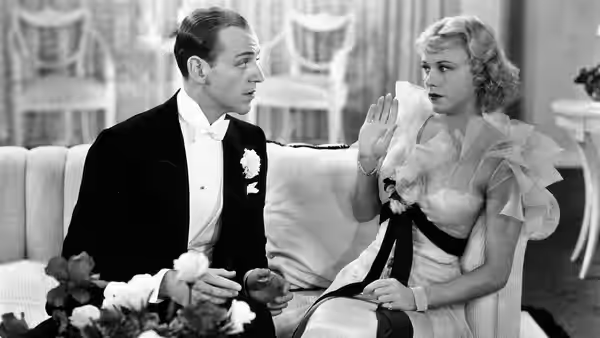
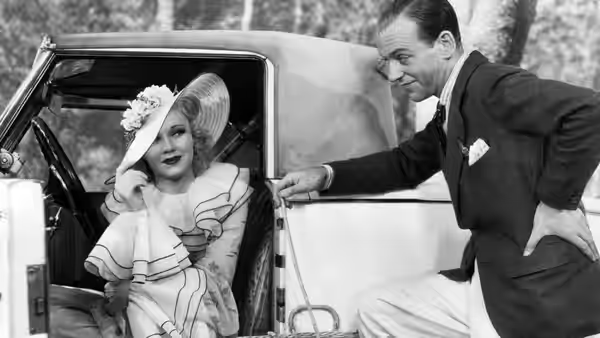
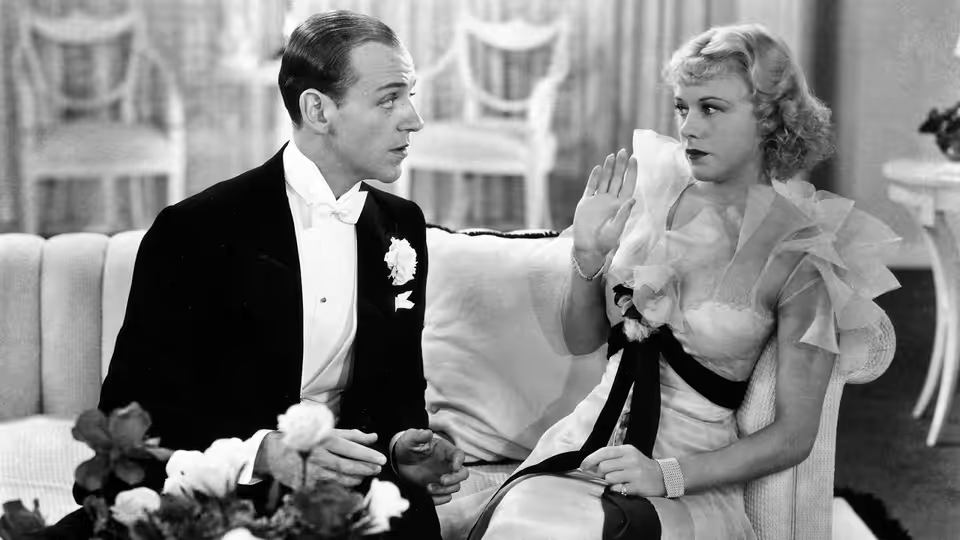
Guy Holden (Fred Astaire) and Mimi Glossop (Ginger Rogers) seated on a sofa
Film review

The Gay Divorcee

1934 · Directed by Mark Sandrich · 1h 45m · MPA NR

In a sentenceA divorce so complicated it needs a hired man to be caught in her bedroom; luckily the dancing is simpler

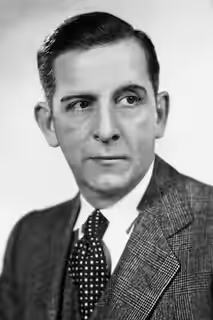
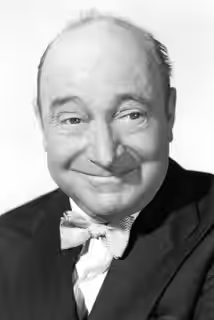
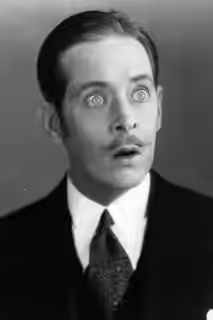
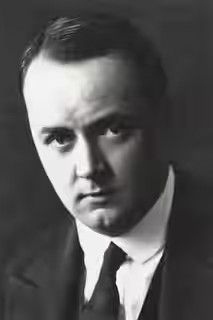
Guy Holden (Fred Astaire), an American dancer on holiday in Paris with his friend Egbert Fitzgerald (Edward Everett Horton), a lawyer who has never won a case, crosses to England, and at the customs shed meets Mimi Glossop (Ginger Rogers) when her dress catches in a trunk and he tears it free. She leaves without giving her name. Mimi wants a divorce from Cyril Glossop (William Austin), a geologist husband she never sees, and her aunt Hortense (Alice Brady) takes her to Egbert, who arranges the usual remedy: a paid co-respondent, Rodolfo Tonetti (Erik Rhodes), to be caught with her at a hotel in the seaside resort of Brightbourne. Guy, meanwhile, searches London for the girl from the customs shed. When he finds her, at the same hotel, she takes him for the hired man.

Plays from YouTube when you press play; nothing loads from them until then.

Fi1m review

The film that made Fred Astaire and Ginger Rogers a pair is a creaky farce with one great dance in the middle of it. ‘Night and Day’ on a hotel terrace is worth the evening on its own; the rest is padding of the pleasant kind.

Mark Sandrich’s film is a farce about a divorce that has to be staged before it can be granted, and it is the film that made Fred Astaire and Ginger Rogers a pair. It comes from a stage musical and keeps only one of that show’s songs, Cole Porter’s ‘Night and Day’, which turns out to be the only song it needed. The rest is misunderstanding, chorus work and character actors doing their turns. Most of it is agreeable. About four minutes of it are a wonder, and they carry everything else.

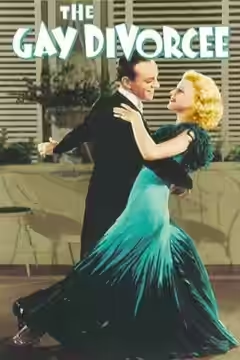
The four minutes come when Guy has followed Mimi onto a hotel terrace at night and she has told him, again, to go away. He sings to her and she keeps trying to leave, and each time she turns for the door he is somehow in front of it, so the number is a pursuit before it is a dance. David Abel’s camera keeps them both in frame from head to foot and moves only to follow them, with almost no cuts. We found we were holding our breath at the point where Rogers stops fighting the step and is dancing with him before she has decided to. It moved us far more than a comedy about a staged adultery had any business doing.

The other numbers are a mixed bag. ‘A Needle in a Haystack’ has Astaire dressing to go out and dancing round his flat while the valet hands him his clothes, and it is light and quick and exactly as long as it should be. ‘The Continental’, the finale, is the opposite. It starts well, with Guy and Mimi rigging a trick with silhouettes to fool Tonetti so they can slip down to the floor. Then the chorus arrives in black and white, and William Hamilton cuts between overhead formations, the couple, the chorus again, and the number keeps arriving at an ending and declining to take it. We admired it for a while. Then we started looking at the chorus girls’ shoes.

Between the songs the film belongs to its character actors. Edward Everett Horton’s Egbert flusters best when nobody is on screen to react to him. Alice Brady’s Hortense starts every sentence three times and finishes none of them. Erik Rhodes plays Tonetti, the professional co-respondent, as a man with a password about chance and fate that he cannot get right, and every scene he is in moves faster than the ones either side of it. Eric Blore is a waiter for whom taking an order is a negotiation. Betty Grable turns up for one song with Horton and is gone before the film notices what it had.

The script, by George Marion Jr., Dorothy Yost and Edward Kaufman, has one misunderstanding and stretches it over an hour. Mimi believes Guy is the hired man; we have known he is not since the customs shed; and every scene until she learns it has to find a fresh reason for her to run away from him. It also asks us to find a man charming for following a woman across two countries after she has asked him to stop, and Astaire’s manners do most of the work of making that bearable. The new songs, by Con Conrad and Herb Magidson and by Mack Gordon and Harry Revel, are serviceable; set beside Porter’s survivor they sound like what they are. Walter Plunkett dresses Rogers in gowns that move a beat behind her, so every turn leaves a trail.

Astaire and Rogers made better films than this. Top Hat (1935) has a tighter plot and better songs. But this is where the two of them work out what they are for. The film does not yet know how good they are together; it gives them one dance, gets out of the way, and goes back to Horton falling over things.

See it for the terrace. Watch it at home, where you can be honest about the finale and go and make the tea, and where the long takes of the duet lose nothing. It runs 105 minutes. Four of them are the reason anyone still bothers, and they are enough.

Critical consensus AI synthesised

69
Positive
4
Mixed
0
Negative
1
Variety
1 January 1934
90*

The review highlights the film’s charm, romance, gaiety, and eclat throughout, with special praise for the smash hit “The Continental” dance number and Cole Porter’s “Night and Day.” Mark Sandrich’s direction is commended for adding nifty business to the story values, and the dance staging is noted for its imagination.

Read the full review →
Empire
5 April 2006 · David Parkinson
70*

The review notes that the film cemented Astaire and Rogers' partnership despite some irritating romantic elements. It highlights the memorable dances like 'Night and Day' and Astaire's solo 'A Needle in a Haystack'.

Read the full review →
Time Out
2 May 2015 · SG
70*

This is the film that launched the Astaire-Rogers musicals at RKO with an extensive revamp of the stage show. The critic highlights the retention of 'Night and Day' for a classic dance duet alongside new songs and the big production number 'The Continental'.

Read the full review →
The New Yorker
17 November 1934 · John C. Mosher
30*

The critic praises Fred Astaire’s dancing and polite comedy as well as Ginger Rogers’ contributions, along with supporting players like Alice Brady and Edward Everett Horton. However, the film is faulted as cumbersome, wearying, and monotonous in its handling of the talent, running too long at 107 minutes.

Read the full review →
Collider
2 August 2023 · David Caballero
90*

The critic notes that The Gay Divorcee marked the first clear demonstration of the Astaire/Rogers partnership's power. They praise the duo's electric chemistry in the musical sequences and call it the beginning of one of cinema's greatest partnerships.

Read the full review →

Straight answers AI written, from our review

Is The Gay Divorcee worth watching?
The Gay Divorcee is worth watching for the four minutes of 'Night and Day' on the hotel terrace, and we scored it 79. The farce around that dance is creaky and stretches one misunderstanding over an hour, but the character actors keep it agreeable. Anyone who cares about Astaire and Rogers should see where they became a pair.
How long is The Gay Divorcee, and what is it rated?
The Gay Divorcee runs 1h 45m and is rated NR by the MPA in the US. It is a comedy and romance film.
Where can I watch The Gay Divorcee in the US?
The Gay Divorcee is not on any streaming or rental service in the US at the moment. It is available in 2 other countries; change your country at the top of the page to see where. Availability is checked daily.
How violent or frightening is The Gay Divorcee, and is it suitable for children?
The Gay Divorcee contains no violence and nothing frightening; its UK 12A certificate reflects a plot built on a staged adultery, with a hired man to be caught in a woman's hotel bedroom. Nothing is shown beyond misunderstandings and chorus numbers. Older children may follow it happily, though the divorce farce and the slow middle hour will lose younger ones.
How does The Gay Divorcee compare to Top Hat?
The Gay Divorcee is the looser and earlier of the two, and Top Hat is the better film, with a tighter plot and Irving Berlin songs where this one has Cole Porter's 'Night and Day' and a set of serviceable fillers. Both have finales that run on too long. Start with Top Hat if you want the pair at their best; come to this one for the terrace duet.
What should I watch after The Gay Divorcee?
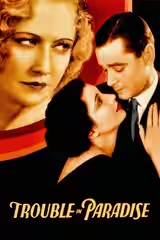
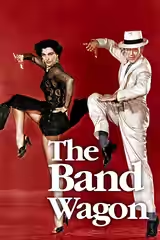
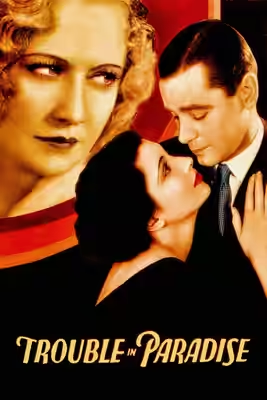
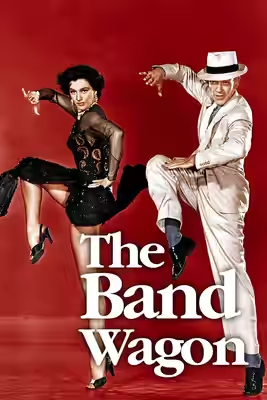
After The Gay Divorcee, try Top Hat (1935, Fi1m 87): The same team a year on, with the plot tightened and the songs improved. Then Trouble in Paradise (1932, Fi1m 84): Lubitsch’s hotel farce of thieves and lovers, sharper and shorter than this; and The Band Wagon (1953, Fi1m 84): Astaire twenty years older, in colour, dancing in a park at night.

Cast

Awards

Academy Awards, 1935

Nominated
Best Picture
Nominated
Best Production Design
Nominated
Best Score, Adaptation or Treatment
Nominated
Best Sound

If you liked this, try…

  1. Top Hat (1935, Fi1m 87)The same team a year on, with the plot tightened and the songs improved.

  2. Trouble in Paradise (1932, Fi1m 84)Lubitsch’s hotel farce of thieves and lovers, sharper and shorter than this.

  3. The Band Wagon (1953, Fi1m 84)Astaire twenty years older, in colour, dancing in a park at night.

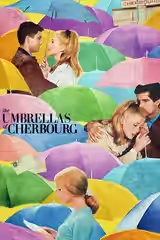
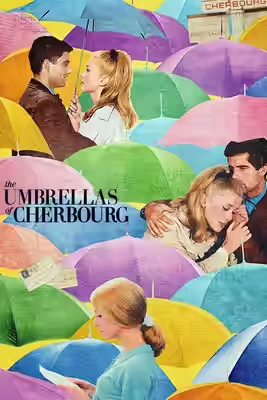
  4. The Umbrellas of Cherbourg (1964, Fi1m 88)A French musical where the singing carries real heartbreak instead of hiding it.

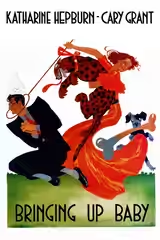
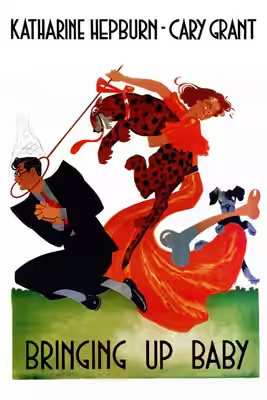
  5. Bringing Up Baby (1938, Fi1m 88)Another woman who will not leave a man alone, played for speed rather than swoon.

Free account

Know what to watch tonight

Two lists that know where things are streaming, collections you can share, your own score beside ours, and Discover that remembers what you have seen.

  • Want to see, sorted by what is streaming now
  • Seen, with your score out of ten
  • No adverts, ever