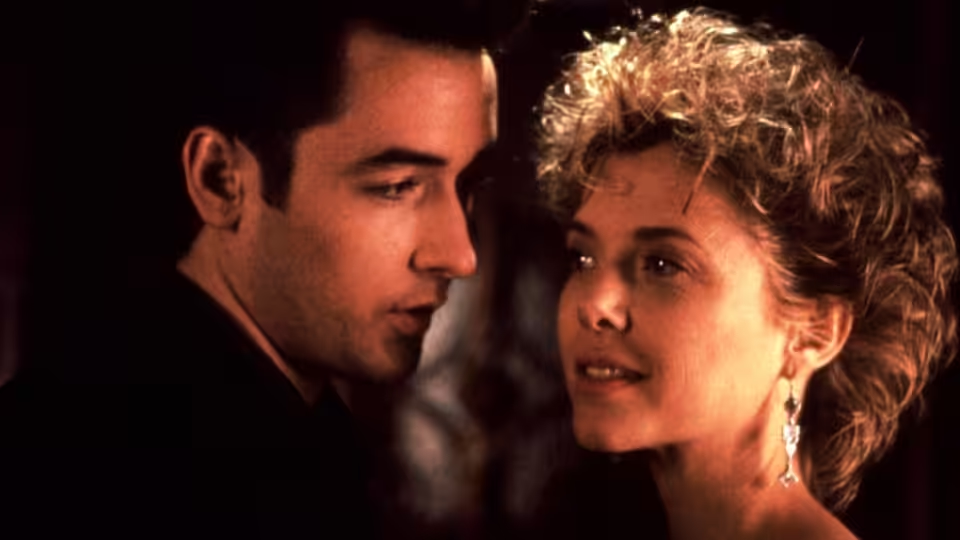
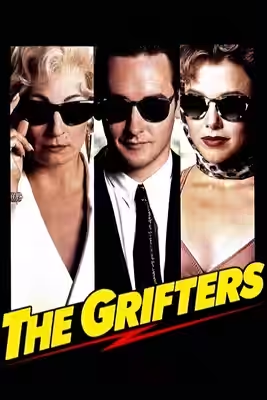
Stephen Frears makes a cruel, funny crime drama out of three con artists and their competing loyalties. Anjelica Huston gives it a disturbing emotional force, though John Cusack struggles to hold his own beside her.
Stephen Frears’s The Grifters is a cruel, funny crime film with a painful family at its centre, and we recommend it with one reservation: the son is less compelling than either woman. Donald E. Westlake adapts Jim Thompson’s novel. The subject is con artists, but Frears is interested in what happens when deceit becomes their ordinary way of dealing with people. The strain comes from watching them apply the same suspicion to lovers and relatives that they bring to their work.
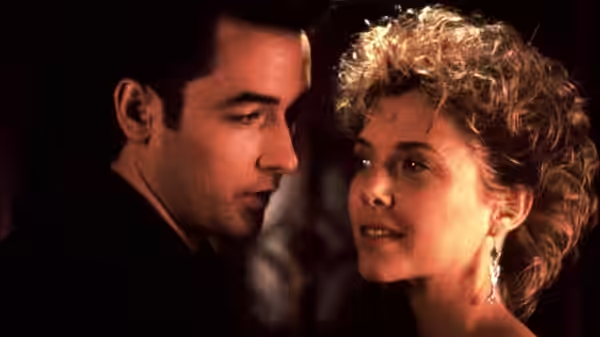
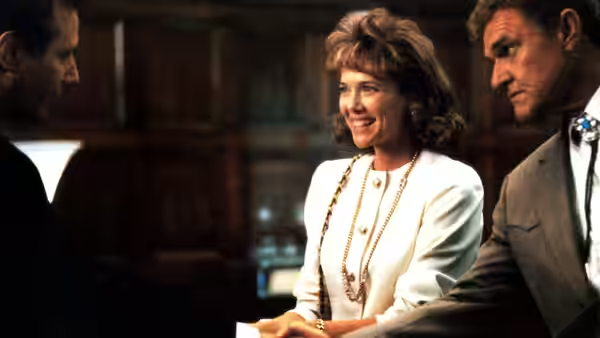
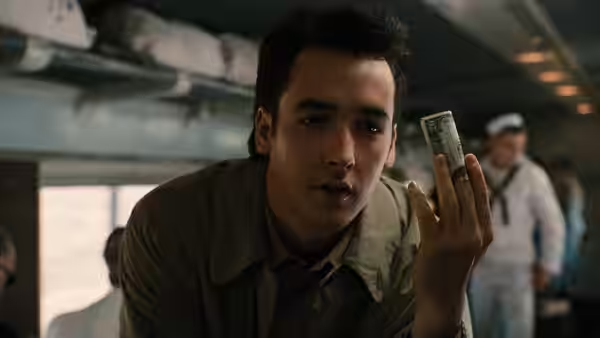
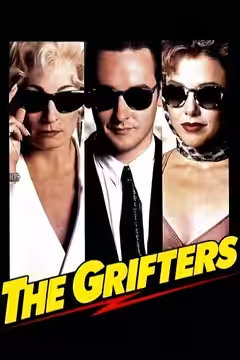
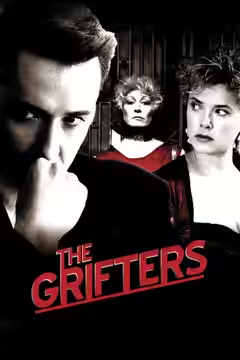
John Cusack plays Roy Dillon, with Anjelica Huston as his mother, Lilly, and Annette Bening as his lover, Myra Langtry. All three belong to the same crooked trade, so nobody can quite enjoy the comfort of believing themselves the cleverest person present. Westlake gives their exchanges enough bite to make the distrust funny. Frears keeps the family connection in view, which means that a suggestion of concern can trouble us as much as an obvious attempt to take advantage.
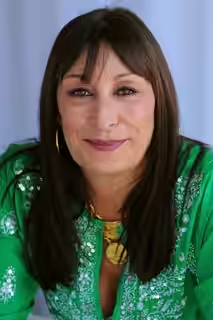
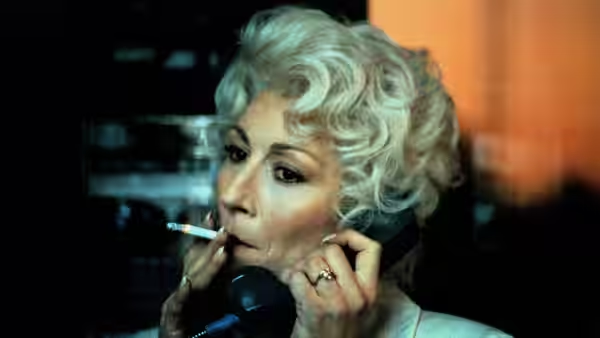
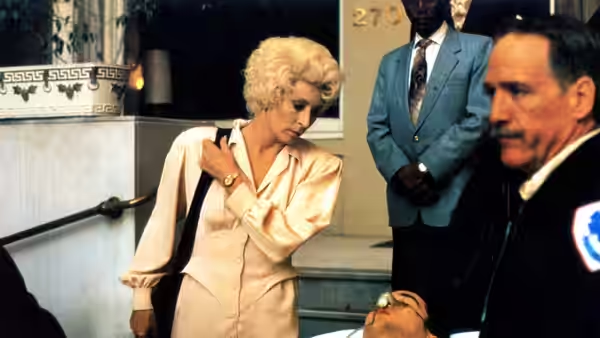
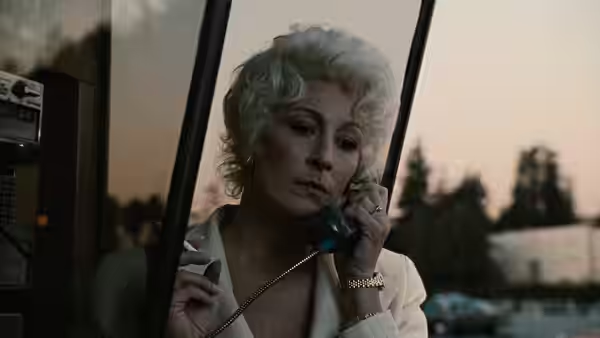
Huston is the strongest reason to stay with them. She makes Lilly’s concern for Roy feel sincere even while she is trying to control him, and we found that upsetting. The mother’s ability to read people has not taught her how to leave her son alone. Huston makes the need to survive persuasive even when the behaviour it produces is ugly. We keep watching for some small assurance that Lilly can stop treating someone she loves as another person to be managed.
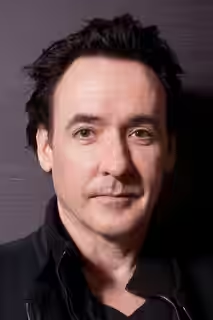
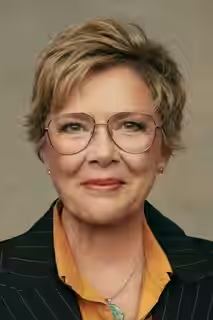
Bening gives Myra an entertaining confidence, though she sometimes makes the danger too easy to spot. Cusack is less convincing when Roy needs to seem capable of holding his own with either woman. His relative softness makes sense within the family, but it also leaves passages in which we are waiting for Huston to regain our attention. Roy remains the character we understand least, despite his position between the two women.
Oliver Stapleton’s cinematography gives the film a recognisable noir finish without making the nastiness feel safely old-fashioned. Dennis Gassner’s production design supports that crime-film world, although we notice the people far more than their surroundings. That seems the right emphasis for a story whose chief danger is another person’s interest in us. The visual polish makes this company inviting enough for the distrust to take hold.
Mick Audsley’s editing keeps the three-way contest taut, giving us time to consider a possible deception without letting the suspicion become a drag. Elmer Bernstein’s music is less restrained, sometimes pressing the menace harder than these performances require. We prefer the tension when it comes from trying to judge Lilly rather than being reminded that we are watching a thriller. At 110 minutes, though, the film sustains its hold without exhausting our interest in these people.
Con-artist films can make dishonesty look like a skill we might enjoy acquiring. Frears allows that pleasure, then makes it harder to sustain when the same habits govern a mother and son. We do not need to like these people to follow them, but we do need to believe that being related still matters to them, and Huston makes us believe it. Choose it when agreeable company is not the purpose of the evening.