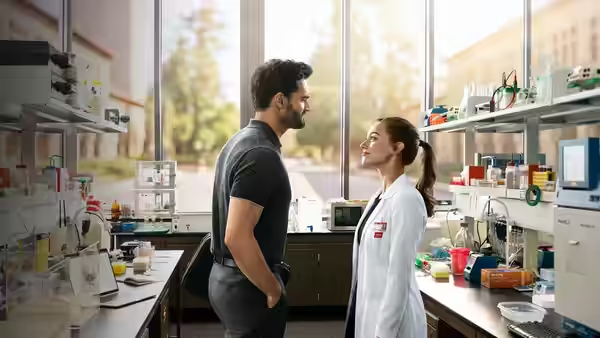
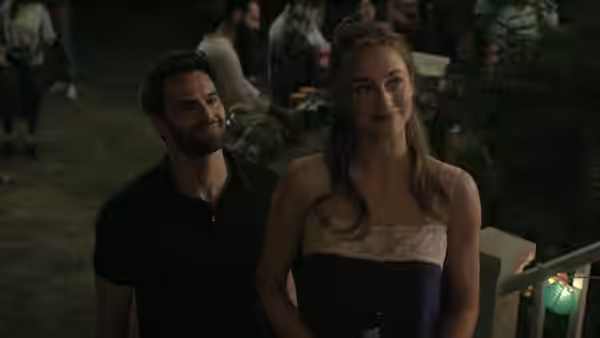
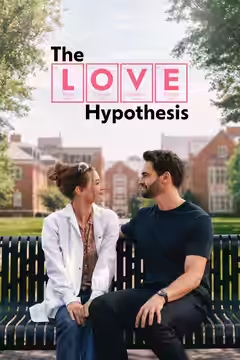
Lili Reinhart gives this fake-dating comedy some life, but the romance never becomes convincing enough. Claire Scanlon’s film offers agreeable friendship scenes, then hurries through the complications that need the most care.
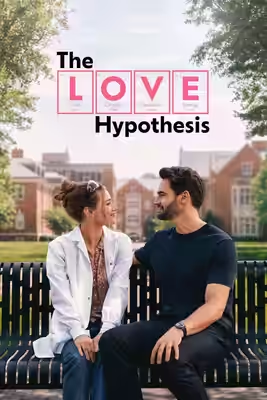
The Love Hypothesis is a romantic comedy with a likeable lead and a romance that never quite earns the fuss. Claire Scanlon directs Sarah Rothschild’s adaptation of Ali Hazelwood’s novel, using a familiar arrangement: Olive Smith and Dr. Adam Carlsen agree to pretend they are a couple. The attraction is supposed to grow through the effort of keeping that pretence going. There is enough comic promise here to make the film’s lack of conviction frustrating.
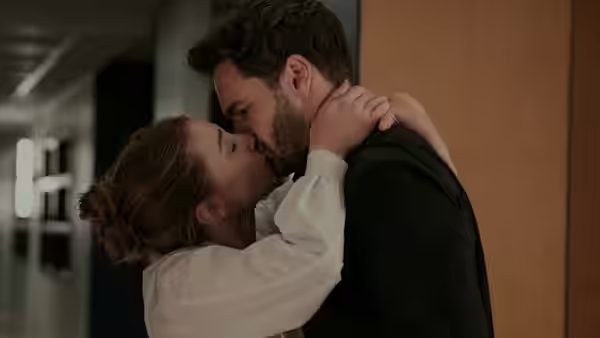
Lili Reinhart does the most useful work as Olive, giving the comedy an energy the writing struggles to sustain. The set-up is direct enough: Olive kisses the professor, proposes fake dating and gets his agreement. Her willingness to commit to this unlikely behaviour helps, because a romantic comedy cannot spend every scene apologising for its premise. Her comic timing makes Olive worth following even when the arrangement seems unlikely to produce much beyond the expected complications.
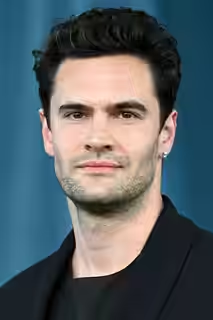
Tom Bateman’s Dr. Adam Carlsen is the harder sell, and the pairing does not generate enough attraction to make the predictability pleasurable. We were unmoved by their agreement to fake a relationship. There is plenty of comic opportunity in the proposal, but too little sense that these two will be interesting together. The film needs us to look forward to their next encounter; too often, we are simply waiting for the familiar progression to continue.
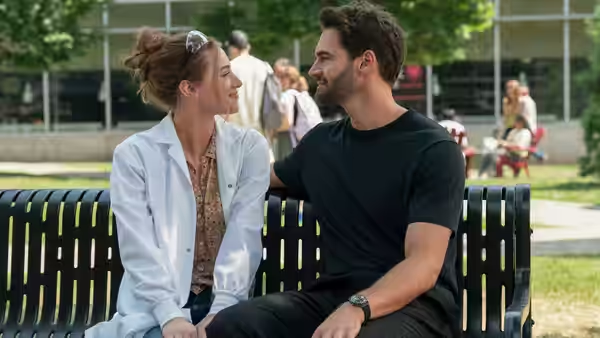
The attention to Olive’s friendships is welcome, giving her a life beyond the question of what the professor thinks of her. It also provides some relief from a central relationship that keeps asking for more interest than it earns. Sarah Rothschild’s script is less assured about power and consent, leaving its more unsettling implications insufficiently examined. Nobody needs a romantic comedy to stop for a lecture, but the professor’s position calls for more care than the film gives it.
The kiss is also a useful test of the filmmaking: its practical purpose is clear, but there is little excitement behind it. Matthew Clark’s cinematography cannot solve that, and neither Brent Thomas’s production design nor Laura Karpman’s music makes the attraction more persuasive. We need some reason to believe these people would choose each other without the arrangement that brings them together. Instead, the attention keeps returning to the mechanics of maintaining the pretence, which is considerably less interesting once the proposal has been accepted.
The editing, by Tia Nolan and Kim Boritz-Brehm, becomes troublesome when the film starts settling its conflicts. The third act hurries through problems that needed more time, and the haste weakens their importance. At 112 minutes, there is room for a more patient treatment of the things that matter to Olive. Too much of that time goes on keeping the arrangement moving, and too little on giving its complications enough weight.
Fake-dating comedy depends on making a familiar route worth taking, and predictability alone is no reason to dismiss this one. Claire Scanlon gets some pleasure from the friendships and from a lead who understands how to sell an awkward situation. The romance remains too thin, however, and the rushed handling of the harder material leaves the comic effort carrying too much. Dedicated admirers of Lili Reinhart may find enough here; anyone else can afford to be choosier.