The Farrellys’ romantic comedy earns its bad manners through sharp comic performances and frequent, helpless laughter. Cameron Diaz gives it warmth, though Mary deserves more attention and the two-hour running time needs firmer control.
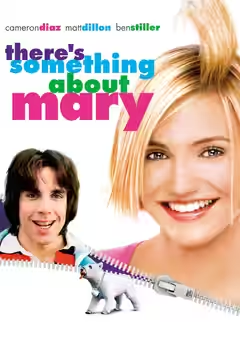
There’s Something About Mary is a funny, overextended romantic comedy whose success depends on how long its performers can keep appalling behaviour amusing. Peter Farrelly and Bobby Farrelly push embarrassment towards outright disgust, with enough affection for their characters to make the ugliness bearable. They want us laughing before we have composed an objection. Often, they manage it. The qualification is that Mary gets far less comic freedom than the men competing for her attention.
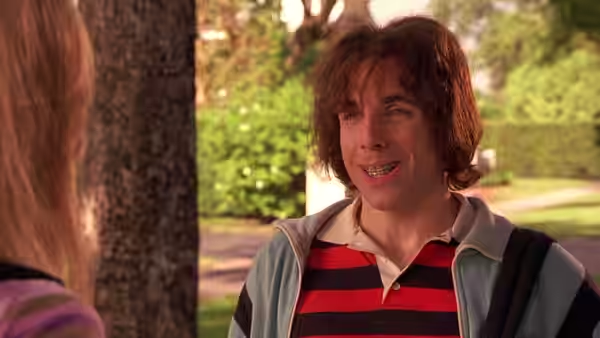
Ben Stiller plays Ted Stroehmann as a man whose desire to be liked makes courtship look painfully difficult. His awkwardness gives the broad comedy something recognisable to work with: the suspicion that everyone else knows how to behave and we alone missed the instructions. Ted’s pursuit of Mary could easily become exhausting. Stiller gives it enough vulnerability that we remain interested, even when the film seems determined to see how much humiliation he can carry.
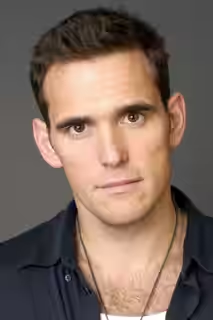
Matt Dillon’s Pat Healy supplies a useful change of pace, a scheming investigator with little reason to feel so pleased with himself. We laughed at Dillon’s smugness; he makes Healy look thoroughly satisfied with behaviour that should embarrass him. He does not strain to advertise the joke, which helps when so much around him is trying hard to be outrageous. Lee Evans, as rival Tucker, adds another competing comic presence. The men give the film plenty of momentum, though their accumulated foolishness also starts to crowd it.
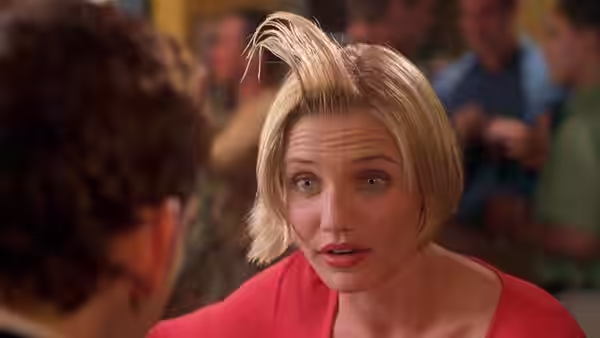
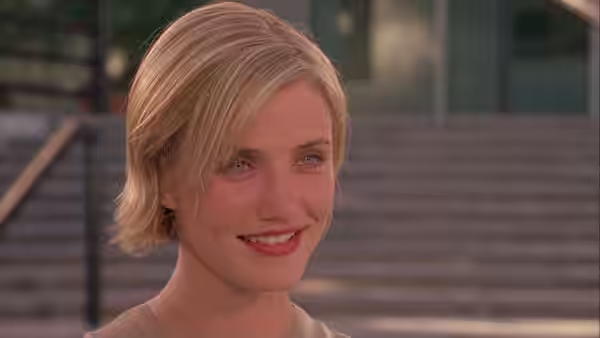
Cameron Diaz is crucial because her ease stops all this effort becoming oppressive. As Mary Jensen, she brings warmth and a light comic manner to a part that could have disappeared beneath the surrounding male commotion. The limitation belongs chiefly to the screenplay by Ed Decter, John J. Strauss and the Farrellys. Mary has to be desirable enough to sustain everyone’s pursuit, and the writing gives her less room to be unreasonable, ridiculous or difficult herself. Diaz keeps us interested in Mary even when the writing concentrates on her suitors.
Mark Irwin’s cinematography serves the physical comedy without providing much pleasure between the jokes. The images are direct enough for a visual gag to register, but their plainness can make the quieter stretches feel flat. Jonathan Richman’s music provides some welcome sweetness amid the crudeness. That gentler contribution matters when the men are working so hard at being objectionable. The music helps preserve the affection that the broader comedy sometimes threatens to exhaust.
Christopher Greenbury’s editing handles individual comic build-ups more convincingly than the film’s pace across its full length. The jokes benefit from being allowed to develop, yet at 120 minutes the succession of outrageous episodes begins to feel repetitive. The screenplay keeps prolonging the men’s competition when the performances have already made their shortcomings clear. We would lose some of the connecting material before shortening the strongest routines. The weaker stretches leave the actors repeating kinds of foolishness they have already established.
The Farrellys understand something that matters in gross-out comedy: an offensive idea still needs a performer who knows how to make it funny. Their strongest jokes depend on these particular people behaving badly, rather than on the forbidden subject alone. Choose it for the cast and for an evening when good manners are negotiable. Anyone hoping for a convincing account of adult relationships should make other arrangements.