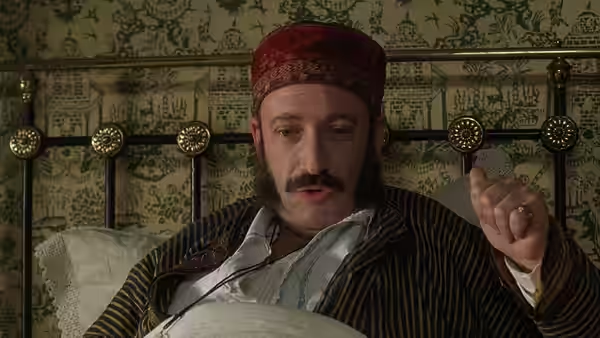
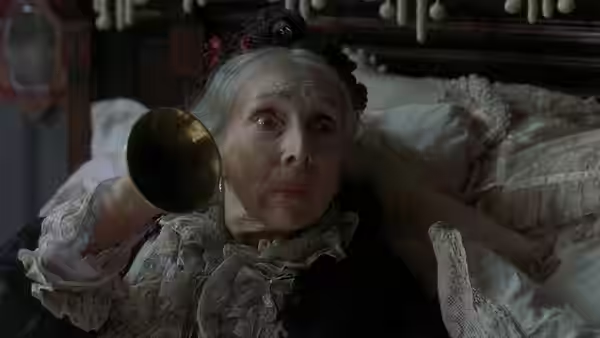
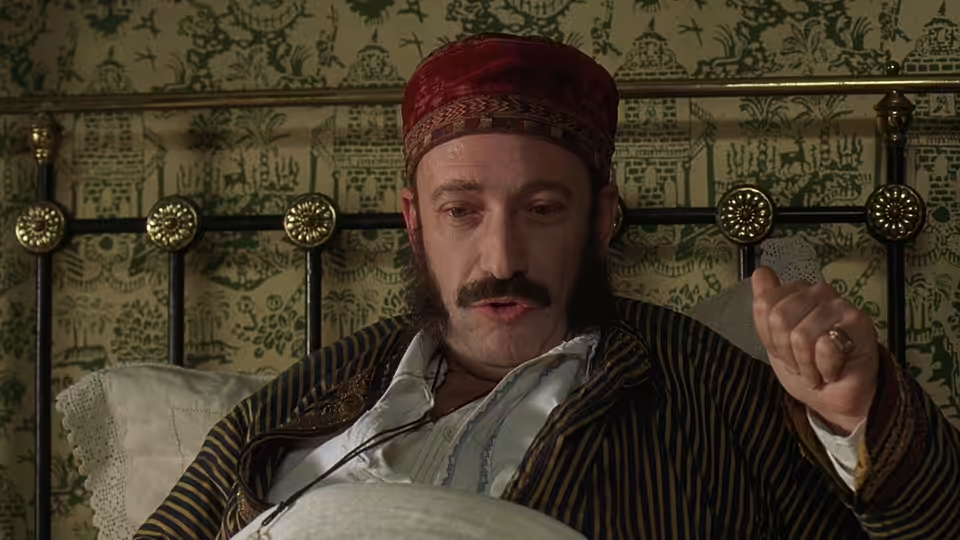
Man in striped pajamas and red cap sits up in bed gesturing with one hand
Film review

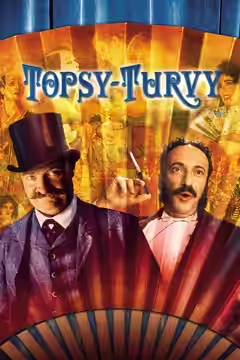
Topsy-Turvy

1999 · Directed by Mike Leigh · 2h 40m · MPA R

In a sentenceA musical in which being difficult is practically a job qualification

W. S. Gilbert (Jim Broadbent) and Sir Arthur Sullivan (Allan Corduner) work together in the Victorian theatre, where a musical production depends on more than its writers. Mike Leigh’s film follows their partnership and the making of The Mikado, taking in rehearsals, musical performances and the lives of the company around them. Richard D’Oyly Carte (Ron Cook) and performers including Richard Temple (Timothy Spall) bring their own concerns to the enterprise. As the production takes shape, differences of temperament and the demands of collaboration run alongside the business of putting on a show.

Plays from YouTube when you press play; nothing loads from them until then.

Fi1m review

Mike Leigh makes the preparation of The Mikado funny, absorbing and unexpectedly moving, with Jim Broadbent at the centre of an attentive ensemble. The historical detail occasionally slows the drama, but the people keep it worth our time.

Mike Leigh’s Topsy-Turvy is a funny, absorbing film about how much work goes into making light entertainment. We recommend it warmly, with a warning that its fascination with historical detail occasionally gets in the way of the people. Gilbert and Sullivan’s preparation of The Mikado supplies the story, but Leigh keeps making room for the company and its competing personalities. The rehearsals matter because he wants us to understand what these people do, including the effort that an audience is not supposed to notice.

Jim Broadbent’s W. S. Gilbert is exacting enough to make us grateful we are watching him rather than taking his instructions. Broadbent finds the comedy in his perfectionism, yet gives it a serious purpose: the work matters, and approximation will not do. Allan Corduner’s Sir Arthur Sullivan has the presence to make the partnership feel like an ongoing negotiation, with neither performer reduced to supplying reactions for the other. Leigh writes both men as people whose gifts do not make them straightforward company, and the actors resist asking us to forgive everything on account of the music.

The rehearsals are where the film most firmly earns its length. We were moved by these scenes, where the company’s patient work makes the musical numbers feel earned. Timothy Spall’s Richard Temple is funny without being treated as disposable comic relief, while the wider company keeps the two central figures from dominating every moment. There is pleasure in watching a film allow supporting actors time to establish how these people work, what they need from one another and how much patience the job requires.

Dick Pope’s lighting gives the musical performances a sense of occasion without making the people disappear into the spectacle. Eve Stewart’s production design supplies detailed Victorian surroundings, but the theatre remains recognisable as a workplace, with practical demands beneath its formality. Lindy Hemming’s costumes reinforce the propriety that makes the company’s less dignified behaviour funny. The detail is most effective when it helps us understand their working lives; simply admiring the reconstruction is a less absorbing way to spend an evening.

Carl Davis’s musical contribution gives the numbers the precision that all this preparatory effort demands. Robin Sales’s editing lets the performances take their time, usually the right decision: reducing them to extracts would make the preceding work seem strangely disproportionate. At 160 minutes, though, the film occasionally spends longer establishing the period than developing the drama. There are passages where we are ready to return to the people while Leigh is still absorbed in their surroundings.

We would take Leigh’s patient rehearsal scenes over another musical biography that hurries past the work to reach the applause. There is private unhappiness here too, and the comedy does not erase it or turn it into a convenient explanation of talent. His affection for theatrical people allows them to be tiring, vain and demanding without making their efforts seem ridiculous. No prior devotion to Gilbert and Sullivan is required, though some curiosity about how a performance gets made will help. Give it an uninterrupted evening, and allow for the occasional detour.
Critical consensus AI synthesised

84
Positive
12
Mixed
0
Negative
0

The reviews are unanimous in their approval of Mike Leigh’s first period film, and the praise falls in the same places. Most critics admire the recreation of the Victorian theatre, the rehearsal scenes especially, and the patience with which the film follows The Mikado from first draft to first night. Jim Broadbent’s Gilbert and Allan Corduner’s Sullivan are named again and again. Nearly everyone remarks that a director known for contemporary work has moved into costume drama without losing his interest in people at work.

The spread is narrow; nobody dislikes it. Such reservations as exist concern length. Variety finds the film loses dramatic focus in historical detail, and the Los Angeles Times notes digressions before judging the whole rewarding. Sight and Sound is the coolest voice, drawn less to the pageantry than to the social observation underneath it. Eye for Film widens the praise past the two leads to Timothy Spall, a rare naming of the supporting cast.

Empire
1 January 2000 · Angie Errigo
90*

The critic praises Mike Leigh's study of Gilbert and Sullivan as a hilarious, tender, intimately detailed and passionately humane panoply of life that turns the musical biopic on its head. It singles out the magnificent central performance by Jim Broadbent and the ensemble's vivid vignettes of theatrical life for particular praise.

Read the full review →
RogerEbert.com
21 January 2000 · Roger Ebert
90*

Mike Leigh's film is a gloriously entertaining love letter to the theater, detailing the genesis, preparation, and presentation of Gilbert and Sullivan's The Mikado with meticulous attention to rehearsal, production details, and personality conflicts. It praises the lead performances by Jim Broadbent and Allan Corduner and the blend of whimsical absurdity with rigorous theatrical discipline.

Read the full review →
The New Yorker
27 December 1999
90*

Mike Leigh's Topsy-Turvy revisits the Gilbert and Sullivan partnership with excited admiration and intelligence, becoming an extraordinary portrait of artistic creation and the discipline of the imperial age. It singles out the authentic period details, lighting, and musical performances as particularly moving and triumphant.

Read the full review →
The New York Times
2 October 1999 · festival review · Janet Maslin
90*

Mike Leigh's grandly entertaining Topsy-Turvy mixes erudition, pageantry, and strong acting opportunities in its look at Gilbert and Sullivan's partnership and the creation of The Mikado. It highlights the film's robust, knowing, and frequently hilarious exploration of artistic renewal through meticulous period detail and performances.

Read the full review →
Time Out
3 April 2015 · TJ
90*

Leigh's first period film is a radical but familiar departure that immerses viewers in the pressurised lives of its characters, contrasting public polish with private cost. The critic singles out the peerless cast and droll celebration of the entertainer's lot as making it a British cinema treasure.

Read the full review →
Slant Magazine
31 March 2011 · John Lingan
85*

Leigh moves away from his typical intimate character focus toward a wider ensemble story of Gilbert and Sullivan creating The Mikado. The result is one of his most enjoyable and technically accomplished films, with rich period detail and performances that bring the theatrical world to life.

Read the full review →

Straight answers AI written, from our review

Is Topsy-Turvy worth watching?
Topsy-Turvy is worth watching for anyone curious about how a performance gets made, and we scored it 88. Mike Leigh's account of Gilbert and Sullivan preparing The Mikado is funny, absorbing and unexpectedly moving, with Jim Broadbent leading a patient ensemble. At 160 minutes it occasionally lingers on Victorian detail when we would rather return to the people, so give it an uninterrupted evening.
How long is Topsy-Turvy, and what is it rated?
Topsy-Turvy runs 2h 40m and is rated R by the MPA in the US. It is a drama and music film.
Where can I watch Topsy-Turvy in the US?
Topsy-Turvy is streaming on HBO Max, Amazon Prime Video and The Roku Channel in the US, and it is also available to rent from Amazon Prime Video and Apple TV from $3.99. It leaves HBO Max on 30 September. Availability is checked daily; the links above go straight to each service.
How violent or frightening is Topsy-Turvy, and is it suitable for children?
Topsy-Turvy is a drama about rehearsing a comic opera, and nothing in it involves violence or frights. It carries a US R certificate, which marks it as adult rather than family viewing, and its length and its attention to backstage negotiation and private unhappiness will test most children's patience. Teenagers with an interest in theatre should manage it comfortably.
How does Topsy-Turvy compare to The Red Shoes?
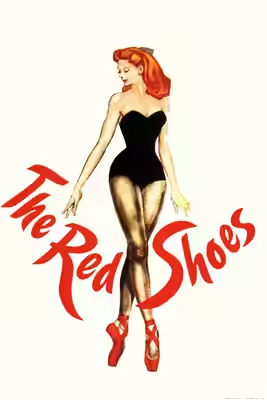
Topsy-Turvy is the more patient and comic of the two, while The Red Shoes is the more urgent, treating a dancer's ambition as seductive and dangerous rather than as a job to be done properly. Both watch a company discover how much private life a public performance consumes. Powell and Pressburger's film is the one we would hand to anyone; Leigh's rewards viewers who want to see the work itself.
What should I watch after Topsy-Turvy?
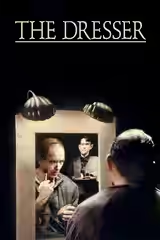
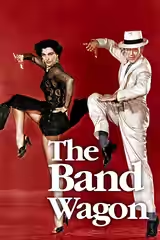
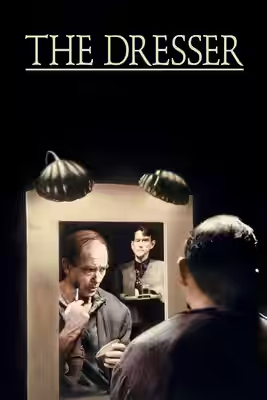
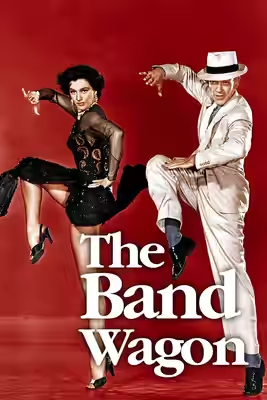
After Topsy-Turvy, try The Red Shoes (1948, Fi1m 92): Another company discovers how much private life a public performance can consume. Then The Dresser (1983, Fi1m 80): Backstage dependence and theatrical vanity, with patience for those doing the supporting work; and The Band Wagon (1953, Fi1m 84): A lighter backstage quarrel, with musical numbers worth all the professional aggravation.

Cast

Awards

Academy Awards, 2000

Nominated
Best Production Design
Nominated
Best Writing, Original Screenplay
Won
Best Costume Design
Won
Best Makeup and Hairstyling

If you liked this, try…

  1. The Red Shoes (1948, Fi1m 92)Another company discovers how much private life a public performance can consume.

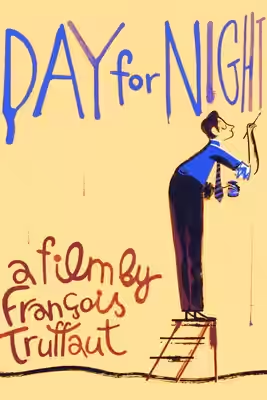
  2. Day for Night (1973) · not reviewed yetA film crew negotiates practical disasters and feelings that refuse to stay off camera.

  3. The Dresser (1983, Fi1m 80)Backstage dependence and theatrical vanity, with patience for those doing the supporting work.

  4. The Band Wagon (1953, Fi1m 84)A lighter backstage quarrel, with musical numbers worth all the professional aggravation.

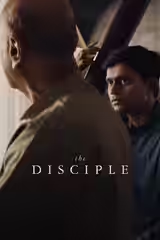
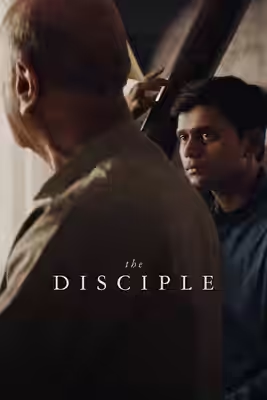
  5. The Disciple (2020) · not reviewed yetA musician’s devotion receives a quieter, more searching examination of discipline and disappointment.

Free account

Know what to watch tonight

Two lists that know where things are streaming, collections you can share, your own score beside ours, and Discover that remembers what you have seen.

  • Want to see, sorted by what is streaming now
  • Seen, with your score out of ten
  • No adverts, ever