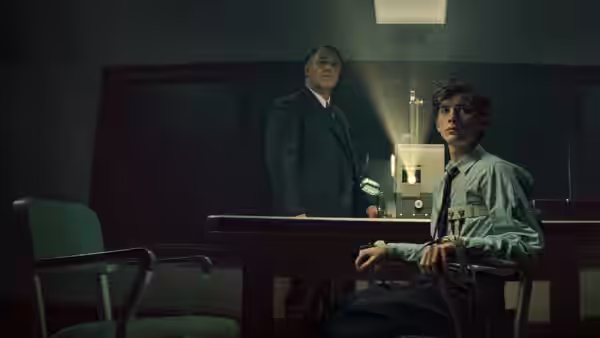
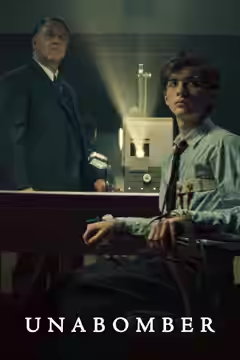
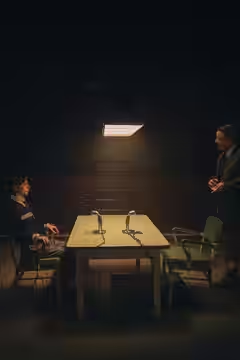
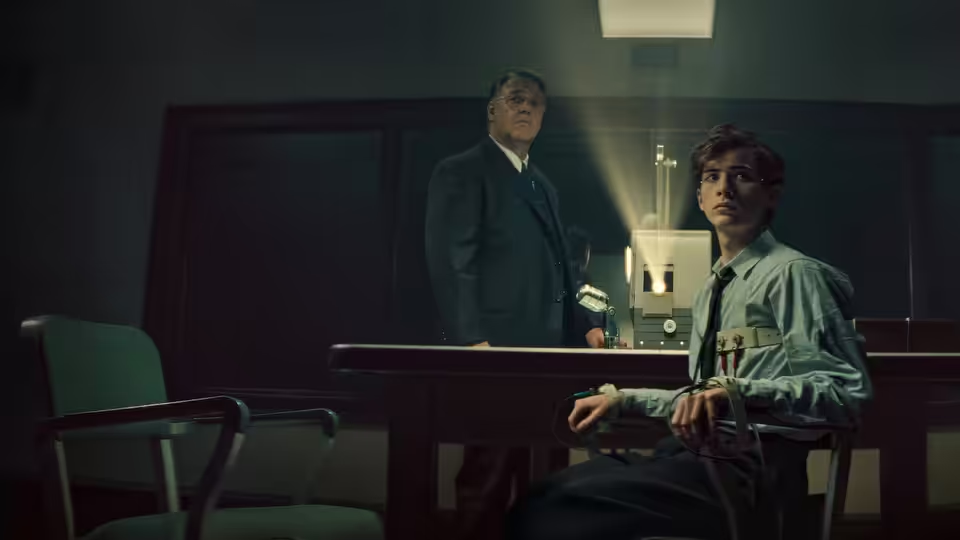
A young man sits at a desk as an older man stands behind it in a dim office
Film review

UNABOMBER

2026 · Directed by Janus Metz Pedersen · 1h 41m · MPA R

In a sentenceRussell Crowe supplies the charm; the script has a diagnosis for everything

At Harvard, Ted Kaczynski (Jacob Tremblay) undergoes a psychological study. In a separate period, an FBI investigation pursues him. The film moves between the experiments and the manhunt, examining his family history and the pressures brought to bear on him as a young man. Henry Murray (Russell Crowe), Joanne Miller (Shailene Woodley) and Christiana Morgan (Annabelle Wallis) also figure in this account. The investigation seeks to find the man behind the crimes, while the earlier strand considers the experiences that the film connects to his later actions.

Plays from YouTube when you press play; nothing loads from them until then.

Fi1m review

Jacob Tremblay and Russell Crowe give this poor crime drama some interest, but its psychological explanation is too easy and its divided storylines never generate enough suspense. The atmosphere deserves a better script.

UNABOMBER tries to explain Ted Kaczynski through a psychological study, family trauma and the investigation into his crimes. It is a poor crime drama, despite two performances that give us occasional reason to stay with it. Director Janus Metz Pedersen gives the separate periods too little force or connection, while writers Sam Chalsen and Nelson Greaves seem more certain about the causes of their subject’s behaviour than their drama can justify. The explanation is too neat to be convincing.

Jacob Tremblay plays Ted Kaczynski with an intensity that is more persuasive when it suggests vulnerability. We were unsettled by the psychological experimentation because the actor makes the young man’s exposure to it feel personal, even when the study itself remains vaguely drawn. There is enough vulnerability in the performance to hold our attention through these passages. The difficulty is that the script keeps turning that vulnerability into evidence for a tidy account of his later actions, leaving the actor too little room to complicate it.

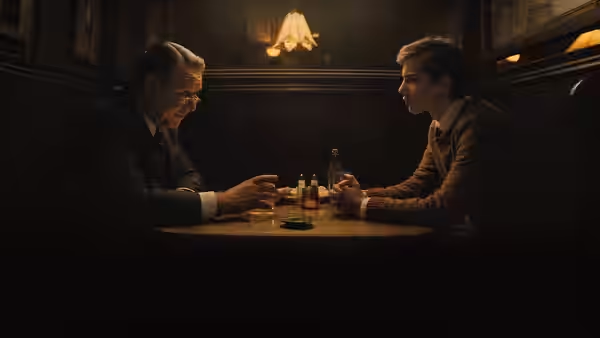
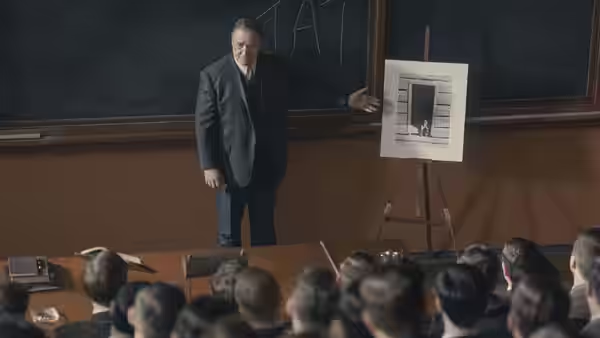
Russell Crowe, as Henry Murray, supplies the charm that makes the psychological strand more uncomfortable. His persuasiveness gives these passages a human interest that the film struggles to produce elsewhere, and the performance is better judged than the writing around it. His scenes raise questions about the experiments that the writers do not pursue. The film spends too little time making the methods or their consequences clear, so our interest in this relationship has little chance to develop.

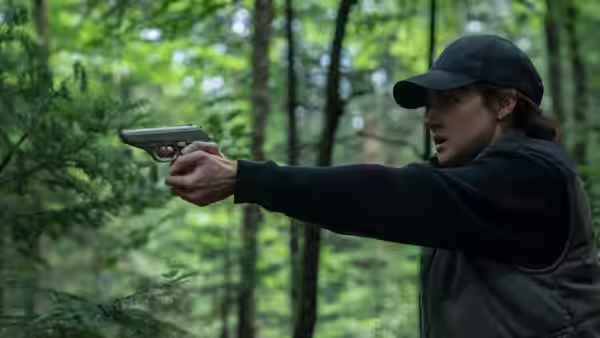
Zach Staenberg’s editing moves between the psychological material and an FBI investigation, and those transitions repeatedly cost the film momentum. The manhunt brings little urgency, while the study loses what pressure it has each time the film leaves it. The trouble goes beyond any single cut: the screenplay has not given these sections enough to do together. At 101 minutes, the film still feels drawn out because neither strand develops enough tension to make us keen to return to it.

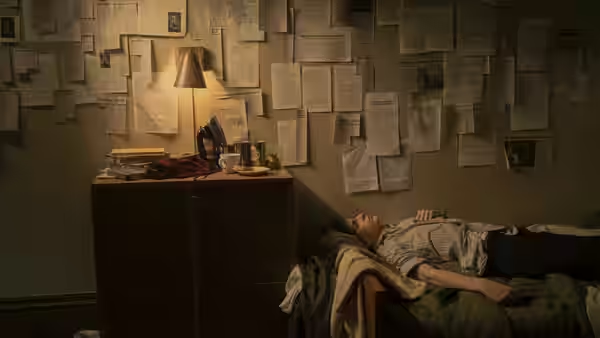
Yves Bélanger’s cinematography and Michèle Laliberté’s production design help establish a moody Cold War atmosphere, a welcome source of unease in a thriller short of it. The setting feels more convincingly sustained than the psychological explanation. Marco Beltrami’s score also gives the film some tension, although music can only do so much when the investigation itself is so unengaging. These are useful contributions, but they cannot make the experiments clearer or the pursuit more involving.

The larger problem is the confidence with which the film links experimentation and familiar family wounds to later violence. A psychological crime drama can explore those experiences without pretending they settle the question, and this one keeps reaching for a certainty it has not earned. The attention paid to explaining Ted Kaczynski also leaves too little room for the crimes themselves. We found that troubling: the film devotes so much attention to the harm done to its central figure that it gives insufficient attention to the harm he causes. For a searching psychological drama or a tense investigation, we would look elsewhere.

Critical consensus AI synthesised

44
Positive
0
Mixed
5
Negative
4

The consensus on UNABOMBER runs from qualified approval to outright disappointment, with no strongly positive verdict among the nine reviews. The recurring complaint is that the film offers too little insight into Kaczynski, reducing a difficult subject to familiar psychological explanations. Praise centres on Jacob Tremblay’s intensity and vulnerability, though his performance is far from unanimously admired. Vulture also singles out Russell Crowe’s seductive charisma, while The Wrap finds merit in Marco Beltrami’s score.

The reviews differ over whether those strengths make the film worthwhile. Some find it intermittently insightful or effective; others describe it as dull, empty or unconvincing. Reservations cluster around simplistic accounts of family trauma and the psychological experiments, alongside an FBI storyline that several critics find weakening or disconnected. Variety and The Hollywood Reporter also fault Tremblay’s performance, making the lead acting a clear point of disagreement even as dissatisfaction with the writing is widespread.

The New York Times
24 September 2026
64*

The page is inaccessible, so the critic’s verdict cannot be determined. No specific praise or complaint is available to report.

Read the full review →
IndieWire
24 September 2026 · C+ · Alison Foreman
63

Foreman finds the biopic insightful at times but dangerously simplistic, criticizing its invented diagnosis and tidy explanation of Kaczynski’s actions. She praises Jacob Tremblay’s intense performance, while faulting the film for leaving too little room to reckon with Kaczynski’s crimes.

Read the full review →
The AV Club
24 September 2026 · C+ · Natalia Keogan
63

Keogan finds the biopic generic and insufficiently truthful about Kaczynski’s life and ideas. She criticizes its shallow treatment of the Harvard psychological study and its reliance on familiar family-trauma clichés.

Read the full review →
Radio Times
25 September 2026 · Terry Staunton
55*

The review describes the film as an incomplete but watchable puzzle, giving it a mixed, mildly positive verdict. The headline singles out its incompleteness as the main shortcoming; the review body is unavailable to identify any further praise or criticism.

Read the full review →
The Hollywood Reporter
25 September 2026 · Richard Lawson
25*

Lawson finds the film facile and unenlightening, with little insight into Kaczynski or his capture. He gives some credit to the moody Cold War atmosphere, but faults the writing and Jacob Tremblay’s performance.

Read the full review →
Variety
25 September 2026 · Guy Lodge
25*

Lodge finds the film a dull, unconvincing true-crime thriller with little insight or tension. He singles out the disconnected timelines, hokey script, and Tremblay’s unconvincing performance as key weaknesses.

Read the full review →

Straight answers AI written, from our review

How long is UNABOMBER, and what is it rated?
UNABOMBER runs 1h 41m and is rated R by the MPA in the US. It is a thriller and drama film.
Where can I watch UNABOMBER in the US?
UNABOMBER is streaming on Netflix in the US. Availability is checked daily; the links above go straight to each service.
What should I watch after UNABOMBER?
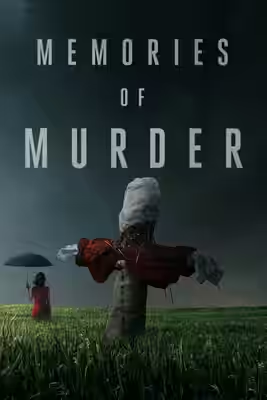
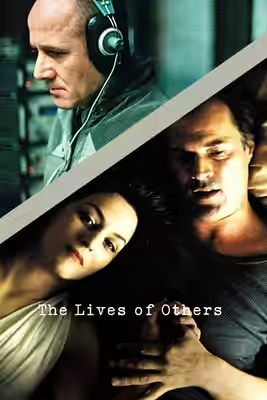
After UNABOMBER, try Zodiac (2007, Fi1m 91): An investigation whose uncertainty becomes more compelling than any convenient explanation. Then Memories of Murder (2003, Fi1m 91): Police frustration and institutional failure give this investigation its disturbing force; and The Lives of Others (2006, Fi1m 84): For surveillance, psychological pressure and performances that reward close attention.

Cast

If you liked this, try…

  1. Zodiac (2007, Fi1m 91)An investigation whose uncertainty becomes more compelling than any convenient explanation.

  2. Memories of Murder (2003, Fi1m 91)Police frustration and institutional failure give this investigation its disturbing force.

  3. The Lives of Others (2006, Fi1m 84)For surveillance, psychological pressure and performances that reward close attention.

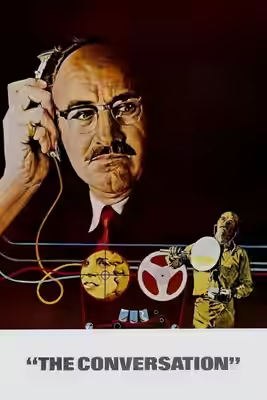
  4. The Conversation (1974, Fi1m 92)A quieter study of surveillance, isolation and the danger of interpretation.

  5. Mindhunter (2017, Fi1m 83)For patient interviews that make criminal psychology difficult rather than reassuring.

Free account

Know what to watch tonight

Two lists that know where things are streaming, collections you can share, your own score beside ours, and Discover that remembers what you have seen.

  • Want to see, sorted by what is streaming now
  • Seen, with your score out of ten
  • No adverts, ever