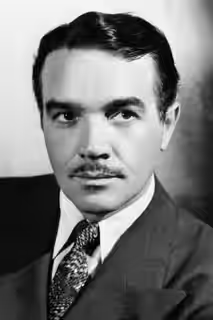
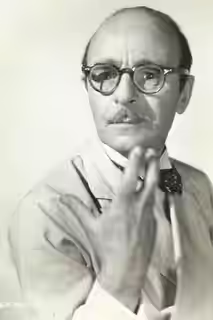
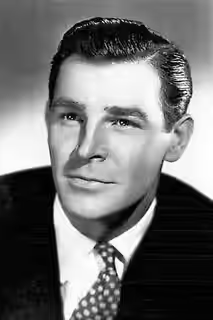
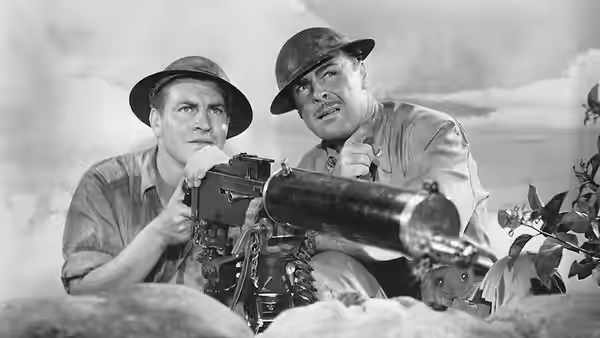
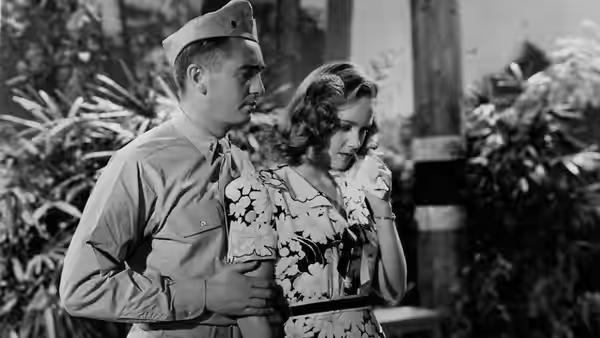
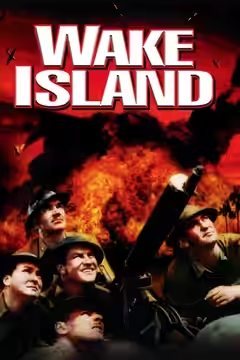
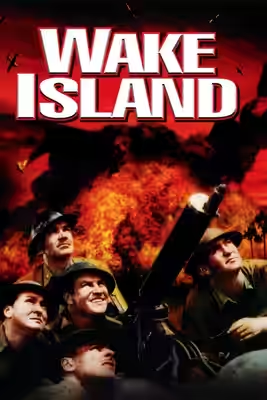
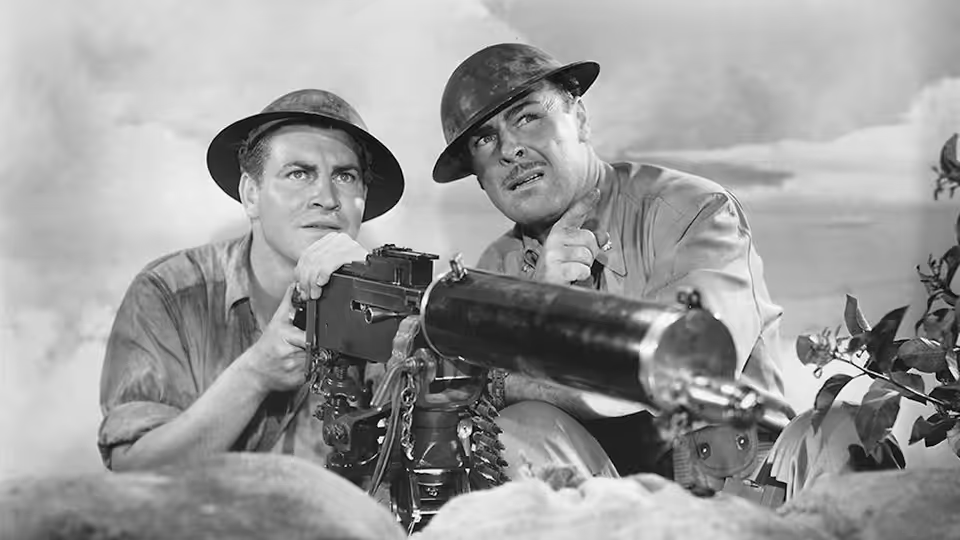
two soldiers operating a machine gun from a rocky position
Film review

Wake Island

1942 · Directed by John Farrow · 1h 27m · MPA NR

In a sentenceTwo privates trade punches for an hour, then the bombers arrive and the film stops joking

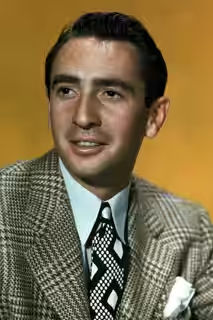
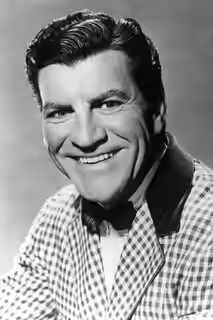
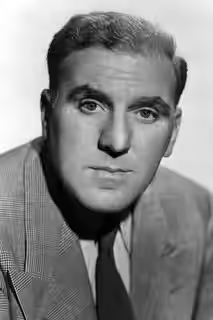
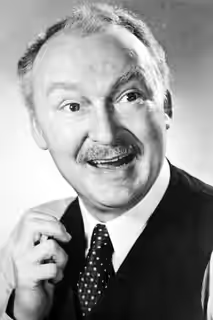
Wake Island, 1941. A coral atoll in the middle of the Pacific, a refuelling stop for the flying boats crossing to Asia, and a construction site: several hundred civilians are building an airstrip while a small garrison of Marines digs in around them. Maj. Geoffrey Caton (Brian Donlevy) arrives to take command and immediately falls out with Shad McClosky (Albert Dekker), the contractors’ foreman, who does not take orders from anyone in uniform. Pvt. Joe Doyle (Robert Preston) and Pvt. Aloysius K. “Smacksie” Randall (William Bendix) fill the waiting with fistfights and bets; Randall’s enlistment is nearly up and he wants to go home. Lt. Bruce Cameron (Macdonald Carey), a pilot, has left his wife at Pearl Harbor. Then the news of 7 December comes over the wireless, and the first bombers appear over the lagoon.

Fi1m review

John Farrow’s account of the Marines on Wake Island was made within months of the events and it shows, mostly in good ways: it is brisk, blunt and does not soften what the history books record. It is also a recruiting film, and the enemy never gets a face.

Wake Island was made while the battle it describes was still recent news. Japanese forces attacked the atoll in December 1941, in the same week as Pearl Harbor, and the film reached cinemas in 1942. John Farrow directs from a screenplay by Frank Butler and W.R. Burnett, and the whole thing runs 87 minutes. It is a recruiting film, plainly, and we should say that first. It is also a good one: quick, hard, and honest about how the story ends. If wartime pictures are your genre, it is worth your evening.

The first half hour is about a quarrel. Maj. Caton (Brian Donlevy) arrives to command a garrison that shares the island with a construction crew, and the crew’s foreman, Shad McClosky (Albert Dekker), does not care for him. Donlevy plays Caton clipped and quiet, a man who has decided not to raise his voice. Dekker is loud and wide, and the two are staged as opposites so the film can bring them together later. It is not subtle. It works, because both actors know exactly what they are for.

Robert Preston and William Bendix carry the comedy. Doyle and Randall are the two privates who cannot stop hitting each other, and Randall is counting the days to the end of his hitch. We laughed at Bendix, who has a slow, injured look that has been borrowed by every dim, decent private in every war film since. Then the raids begin and the film uses that laughter against us. The routine goes on a scene or two too long, but the payoff is fair.

Theodor Sparkuhl and William C. Mellor shoot the island as flat white sand under a great deal of sky, the horizon low and empty, so that when aircraft appear they appear from nowhere. The raids are dust and smoke and men pressed into the ground. Frank Bracht and LeRoy Stone cut them short and hard, and mostly get away from the model aircraft and toy ships before we can look too closely. Mostly. David Buttolph’s music is brass and drum, and there is more of it than the film needs, though it has the sense to fall away near the end. Bill Goodwin narrates as well as playing Sgt. Higbee, and the narration is the one element we would remove altogether; the pictures are doing the job without it.

The weaknesses are the ones you would expect. The Japanese are aircraft, distant boats and a diplomat who passes through on his way to Washington; nobody on the other side is given a face. The speeches about duty arrive on schedule. Macdonald Carey’s Cameron, the pilot with a wife at Pearl Harbor, gets the thinnest strand, a telegram and a look. Walter Abel’s Cmdr. Roberts is there to have things explained to him, and Mikhail Rasumny’s Probenzky is a contractor with an accent and a punchline. This is a film about a garrison, not about people, and it does not pretend otherwise.

What surprised us was the last ten minutes. We knew what the history books say, and we went in expecting to be lectured. Instead the film goes nearly silent. The jokes stop, the narrator stops, most of the music stops, and Farrow simply watches faces in a dugout as the shelling comes closer. We will not describe what follows, except to say the film does not flinch from it, and that we sat quieter afterwards than we had expected to. A recruiting film that ends this way is a rarer thing than it sounds.

Set beside the flag-waving pictures that came after it, this is harder and less sentimental. Set beside what a viewer now wants from a war film, it is propaganda, and you should watch it knowing that. Burnett had written gangster stories before this, and you can feel it in the dialogue, which is short and does not explain itself. The film shares that virtue. It says what it has to say in 87 minutes and then it stops.
Critical consensus AI synthesised

3 of 6
Positive
3
Mixed
0
Negative
0
The New York Times
2 September 1942 · Bosley Crowther
90*

The critic calls the film a stern, rousing tribute to the Marines' heroic stand on Wake Island, praising its harsh realism and brutal suspense.

Read the full review →
The New Yorker
22 August 1942 · David Lardner
70*

The review finds Wake Island sturdier and more realistic than other war films of the moment, noting its faithful depiction of the Marines' grim fate without softening the ending.

Read the full review →
Variety
31 December 1941 · Variety Staff
70*

The critic praises the film's minute faithfulness to the facts of the Marines' defense without resorting to cheapness, highlighting strong performances by Donlevy, Preston, and Bendix.

Read the full review →

Straight answers AI written, from our review

Is Wake Island worth watching?
Wake Island is worth watching if wartime pictures are your genre, and we scored it 73. It is a recruiting film made within months of the events, brisk and blunt at 87 minutes, with Robert Preston and William Bendix carrying the comedy until the bombers arrive. The last ten minutes are quieter and harder than the rest promises.
How long is Wake Island, and what is it rated?
Wake Island runs 1h 27m and is rated NR by the MPA in the US. It is a war and action film.
Where can I watch Wake Island in the US?
Wake Island is not on any streaming or rental service in the US at the moment. Availability is checked daily.
How violent or frightening is Wake Island, and is it suitable for children?
Wake Island carries no UK certificate and is unrated in America, and it is a war film of 1942 vintage: bombing raids shown as dust, smoke and men pressed into the sand, with model aircraft and toy ships rather than anything graphic. It is not frightening by modern standards, but the ending is sombre and does not flinch, so it suits older children better than young ones.
How does Wake Island compare to Letters from Iwo Jima?
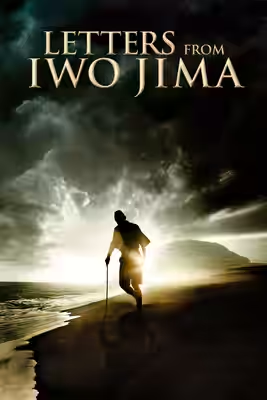
Wake Island is the shorter, harder and more propagandist of the two, while Letters from Iwo Jima is the more humane and affecting film. Farrow's picture never gives the Japanese a face; Eastwood's tells its island defence from the Japanese dugouts, in their language, and gives its ranks individual lives. Watch Wake Island for a blunt wartime record, and Eastwood's film for the fuller account.

Cast

Awards

Academy Awards, 1943

Nominated
Best Director
Nominated
Best Picture
Nominated
Best Supporting Actor
Nominated
Best Writing, Original Screenplay

If you liked this, try…

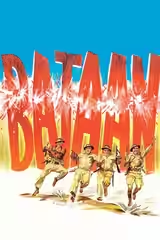
  1. Bataan (1943) · not reviewed yetAnother doomed garrison from the same year of the war, grimmer and slower.

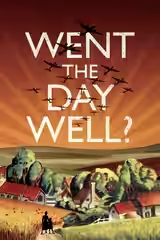
  2. Went the Day Well? (1942) · not reviewed yetThe British village version: an invasion film made with the invaders expected.

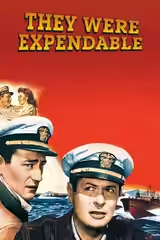
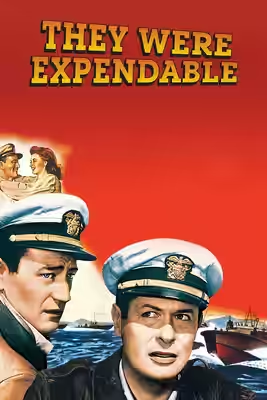
  3. They Were Expendable (1945) · not reviewed yetFord’s account of losing the Philippines, unhurried and honest about defeat.

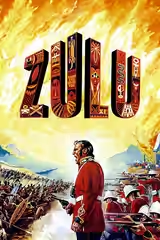
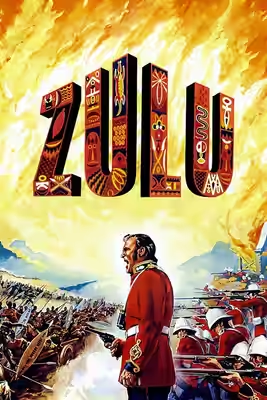
  4. Zulu (1964) · not reviewed yetThe last-stand film at its most patient, with the enemy finally given faces.

  5. Letters from Iwo Jima (2006, Fi1m 84)The Pacific island defence told from the Japanese dugouts, in their language.

Free account

Know what to watch tonight

Two lists that know where things are streaming, collections you can share, your own score beside ours, and Discover that remembers what you have seen.

  • Want to see, sorted by what is streaming now
  • Seen, with your score out of ten
  • No adverts, ever