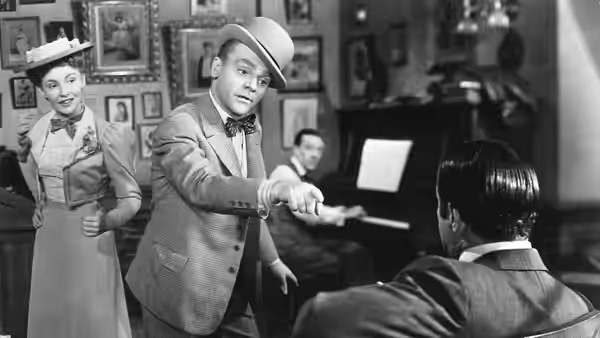
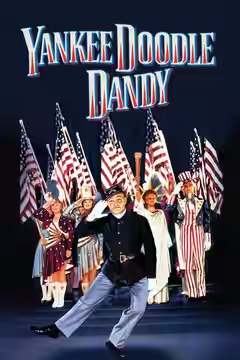
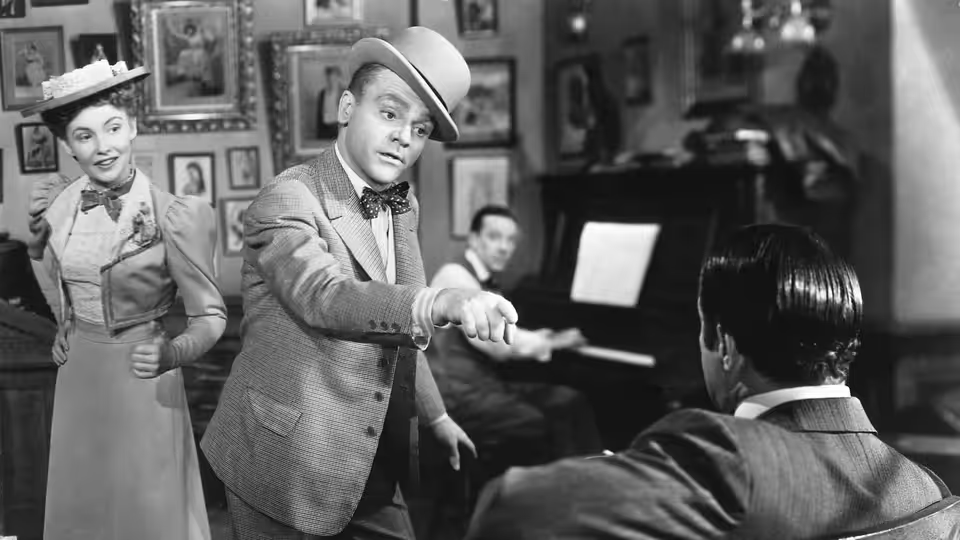
man in suit and hat pointing while woman in long dress watches nearby
Film review

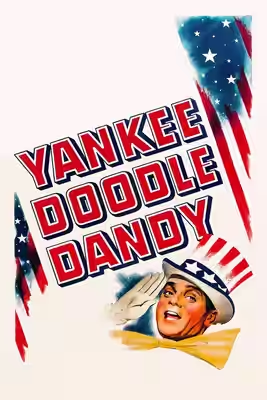
Yankee Doodle Dandy

1942 · Directed by Michael Curtiz · 2h 06m · MPA NR

In a sentenceCagney dances with his knees locked and his chin up, and somehow the whole country falls in behind him

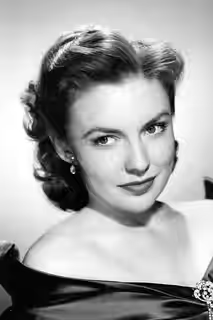
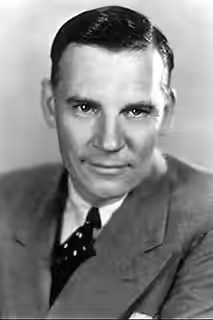
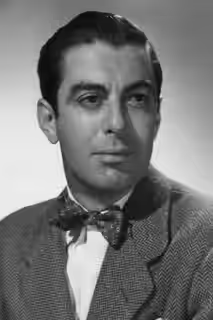
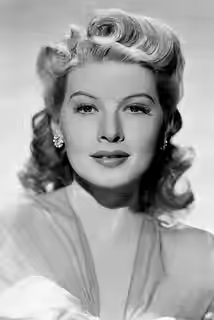
Washington, early in America’s war. George M. Cohan (James Cagney), a Broadway songwriter and performer, is summoned to the White House and tells the president his life story. He was born on the Fourth of July, into a family vaudeville act with his father Jerry (Walter Huston), mother Nellie (Rosemary DeCamp) and sister Josie (Jeanne Cagney). The Four Cohans tour the small-time circuit, and the boy George (Douglas Croft) is cocky enough to get the act barred. Grown up, George wants a Broadway show of his own, and managers show him the door. He meets a singer, Mary (Joan Leslie), and an unemployed writer, Sam Harris (Richard Whorf), and they set about landing the star Fay Templeton (Irene Manning) for a musical they have not yet written.

Plays from YouTube when you press play; nothing loads from them until then.

Fi1m review

Michael Curtiz’s life of George M. Cohan is a wartime morale film with songs, sanitised and a reel too long. It is also the film in which James Cagney dances, stiff-legged and grinning, and every time he does we forgave it a great deal.

George M. Cohan wrote “Over There”, “Give My Regards to Broadway” and “You’re a Grand Old Flag”, and for thirty years he was the loudest man on Broadway. Michael Curtiz’s film of his life reached British cinemas on 15 October 1942, with the war less than a year old for America, and it was plainly made to send people to the recruiting office. It does not pretend otherwise. We enjoyed it anyway, in stretches a great deal, and nearly all of the enjoyment has one source. James Cagney is in it.

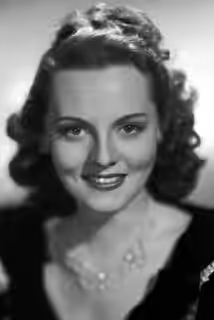
The script, by Robert Buckner, Edmund Joseph and Julius J. Epstein, follows the biopic pattern to the letter. Cohan, old and retired, is called to the White House and tells the president his life story, from a childhood act called the Four Cohans through the theatre managers who would not hire him to the year his name went up in lights. Anything awkward has been removed. Mary (Joan Leslie), the sweetheart, has no surname and no wants of her own; she is there to be sung to. At 126 minutes the film is a reel too long, and the last half hour marks time between numbers with scenes of people telling George how much he means to them.

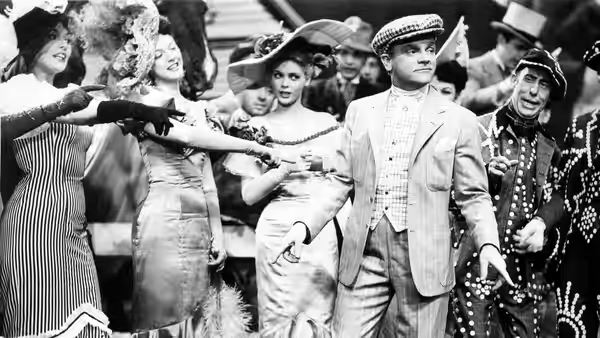
Then Cagney dances, and the pattern stops mattering. He had spent a decade playing men who shot people, and here he plays a man who cannot keep still. His dancing is unlike anyone else’s: knees almost locked, back straight, arms working like pistons, bouncing up onto his toes and coming down in a stamp. He talks his way through the songs as Cohan did, barking one line, half-singing the next, throwing the last over his shoulder. We grinned at the first “Yankee Doodle Boy” number and had not stopped by the end of it, and we are not, as a rule, people who grin at flags. It was the strut that did it. Cagney plays a man who believes he is the best thing in any room, and plays it without a flicker of apology.

James Wong Howe shoots the stage numbers from the stalls first, so we see the footlights and the edge of the boards, and then takes the camera up onto the stage as the numbers grow. “You’re a Grand Old Flag” starts as one man on a bare set and ends with a chorus, a flag the width of the proscenium and Milo Anderson’s costumes turning every dancer into a stripe. Heinz Eric Roemheld and Ray Heindorf arrange Cohan’s tunes so that they arrive first on a rehearsal piano and come back with a full pit, which is a simple trick and it works every time. George Amy’s editing is where the film shows its nerves. He keeps cutting away to the audience in the stalls to show us they are enjoying it, and we did not need telling.

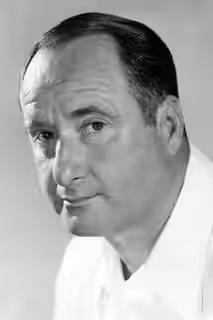
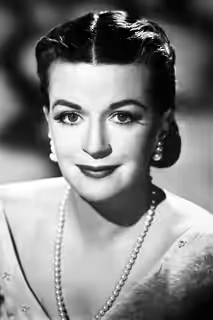
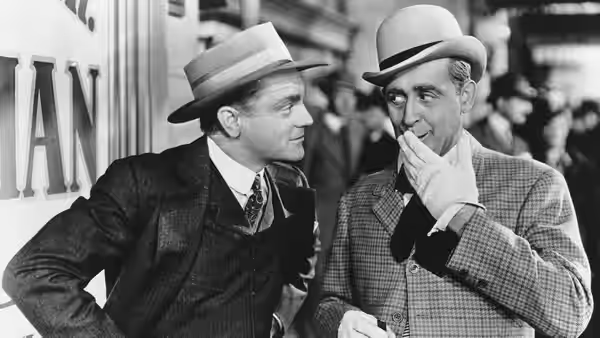
Walter Huston is the reason the family scenes hold. His Jerry Cohan is a modest, decent vaudevillian whose son’s mouth keeps getting the whole act sacked, and Huston plays the exasperation quietly enough that it is funny rather than sour. Rosemary DeCamp as Nellie and Jeanne Cagney as Josie, the star’s sister in life as well as on the bill, fill out the act, and Douglas Croft gives young George exactly the cockiness the older one will keep. Richard Whorf’s Sam Harris is a patient partner with nothing to do but be patient. Irene Manning’s Fay Templeton gets the film’s one scene of somebody refusing George, and it is a relief when she does. The moment that caught us out was smaller: George in old-man greasepaint meeting Mary backstage, letting her think he is sixty, and writing her a song on the spot. It is a con, and it is also the only time in the film he stops performing long enough to look at someone.

Curtiz made Casablanca the same year, and this is the more obedient film; it does what the studio and the moment asked and no more. Against the musical biopics of its period, though, it stands up, because the star is doing something real in front of the camera rather than standing in a good light being admired. Against Cagney’s own films it is a curiosity: the one where he is happy.

The politics are simple and the film does not apologise for them. If two hours of a man telling America it is wonderful sounds like a long evening, it is, at intervals. Then Cagney stands up and the intervals end.
Critical consensus AI synthesised

82
Positive
4
Mixed
1
Negative
0
RogerEbert.com
5 July 1998 · Roger Ebert
90*

The film is a standard upbeat biopic buoyed entirely by James Cagney's electrifying, joyful performance as George M. Cohan, full of strutting energy and showmanship that makes the patriotic numbers irresistible.

Read the full review →
The New York Times
30 May 1942
90*

The Warner Bros. musical biography celebrates George M. Cohan through James Cagney's star turn, delivering rousing patriotism and show-business spectacle suited to the wartime moment.

Read the full review →
Variety
3 June 1942
90*

The film is a rousingly American, entertaining tribute to George M. Cohan and show business, with James Cagney delivering a personal triumph in the lead role that immortalizes the character.

Read the full review →
Time Out
10 September 2012 · GB
65*

The critic highlights James Cagney's fever-pitched impersonation of George M. Cohan as the standout element, above the direction and musical arrangements. The film is seen as a slick, rousing wartime morale-booster full of patriotic songs, though it now feels raucous, vulgar and overlong.

Read the full review →
Den of Geek
27 September 2023 · Tony Sokol
75*

The piece highlights James Cagney’s vibrant, Oscar-winning turn as George M. Cohan in this patriotic Warner Bros. musical biopic and notes its three Academy Awards, while observing some Hollywood liberties taken with the chronology and facts.

Read the full review →

Straight answers AI written, from our review

Is Yankee Doodle Dandy worth watching?
Yankee Doodle Dandy is worth watching for James Cagney, who dances stiff-legged and grinning through a wartime biopic that is otherwise sanitised and a reel too long; we scored it 78. The flag-waving runs long at intervals, and Joan Leslie's Mary has nothing to do but be sung to. Anyone who can sit through that for the numbers will be well rewarded.
How long is Yankee Doodle Dandy, and what is it rated?
Yankee Doodle Dandy runs 2h 06m and is rated NR by the MPA in the US. It is a drama and music film.
Where can I watch Yankee Doodle Dandy in the US?
Yankee Doodle Dandy is not on any streaming or rental service in the US at the moment. It is available in 4 other countries; change your country at the top of the page to see where. Availability is checked daily.
How does Yankee Doodle Dandy compare to Topsy-Turvy?
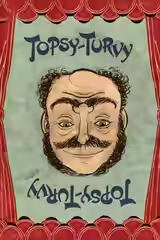
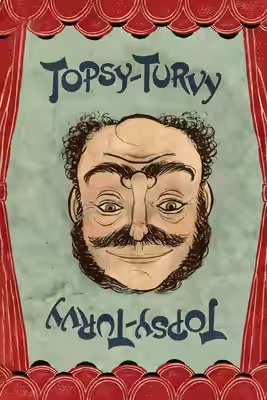
Yankee Doodle Dandy is a star vehicle with the difficulties of putting on a show smoothed away, while Topsy-Turvy is about exactly those difficulties, followed patiently through the making of The Mikado. Leigh's film is the richer and more honest of the two, and better for anyone curious about how theatre actually gets made. Curtiz's is the one to choose for Cagney and the songs.
What should I watch after Yankee Doodle Dandy?
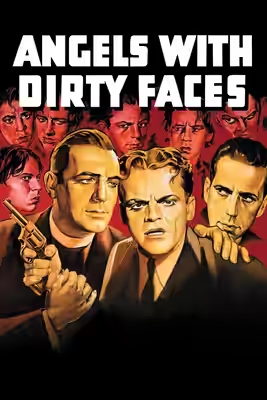
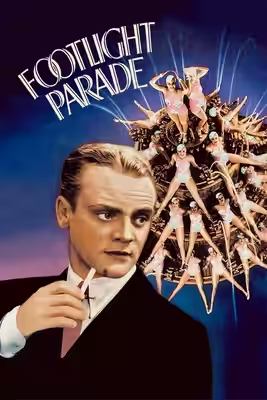
After Yankee Doodle Dandy, try Angels with Dirty Faces (1938, Fi1m 82): Cagney and Curtiz together four years earlier, with the grin turned to menace. Then Footlight Parade (1933, Fi1m 70): Cagney putting on shows before the flag arrived; faster, ruder and just as tireless; and Topsy-Turvy (1999, Fi1m 88): Mike Leigh on Gilbert and Sullivan: everything about putting on a show this film smooths over.

Cast

Awards

Academy Awards, 1943

Nominated
Best Director
Nominated
Best Film Editing
Nominated
Best Picture
Nominated
Best Story
Nominated
Best Supporting Actor
Won
Best Actor
Won
Best Original Musical Score
Won
Best Sound

If you liked this, try…

  1. Angels with Dirty Faces (1938, Fi1m 82)Cagney and Curtiz together four years earlier, with the grin turned to menace.

  2. Footlight Parade (1933, Fi1m 70)Cagney putting on shows before the flag arrived; faster, ruder and just as tireless.

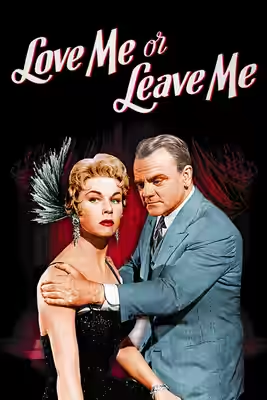
  3. Love Me or Leave Me (1955) · not reviewed yetA musical biopic that keeps the unpleasant parts in, with Cagney as the unpleasant part.

  4. Topsy-Turvy (1999, Fi1m 88)Mike Leigh on Gilbert and Sullivan: everything about putting on a show this film smooths over.

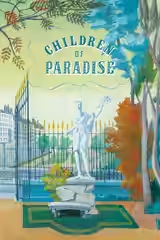
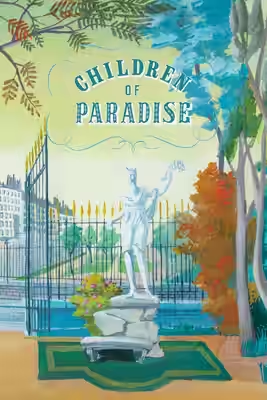
  5. Les Enfants du Paradis (1945) · not reviewed yetTheatre people in occupied France, made in the same war with the opposite temperament.

Free account

Know what to watch tonight

Two lists that know where things are streaming, collections you can share, your own score beside ours, and Discover that remembers what you have seen.

  • Want to see, sorted by what is streaming now
  • Seen, with your score out of ten
  • No adverts, ever