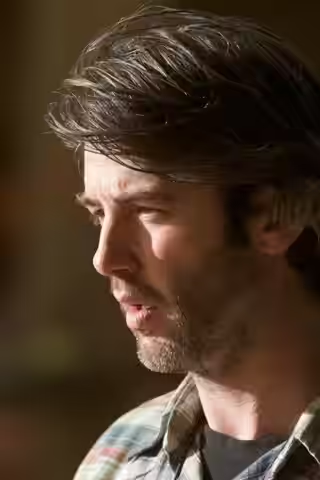
Aaron Morton lights dark so that it is occupied rather than black, and uses colour to tell you where you are before anyone speaks. It is disciplined, unshowy horror photography, and the films around it have often stopped deserving it by the last reel.
Fi1m perspective
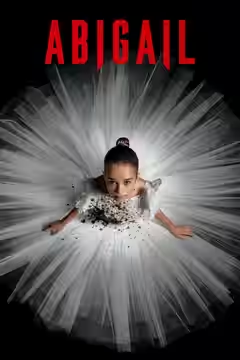
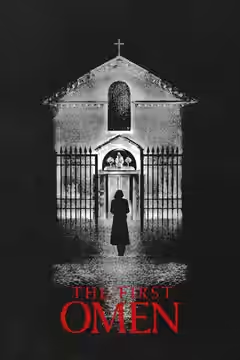
Aaron Morton's corners are never empty. In Abigail (2024) he lights Susie Cullen's mansion in lamplight and brown shadow, so that every panelled hall and spiral stair has somewhere for a small girl to be standing. In The First Omen (2024) the city is browns and burnt oranges, grain in the shadows, daylight coming through high windows in slabs, and the film frightened us in its corridors before anything had arrived in them. That is his habit: dark you can see into, and a palette that does the map-reading for you.
He came up through the camera department on Xena: Warrior Princess, shooting music videos and shorts with the director Jesse Warn, and got his first feature with Nemesis Game (2003). Then a decade alternating television and film: the Spartacus series, Evil Dead (2013) for Fede Alvarez, and Orphan Black (2013–2017), where he shot dozens of episodes and directed three. The work since has been larger without changing much in kind: Black Mirror, including Bandersnatch (2018), The Lord of the Rings: The Rings of Power (2022), and the two horror features of 2024. Whalefall (2026) is next.
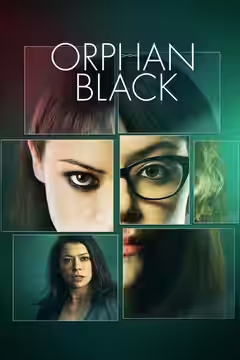
Orphan Black is the clearest lesson in what he does. With David Frazee and Michael Marshall he shot Sarah's city in grey and underpass orange, Alison's cul-de-sac in bright flat daylight and Cosima's lab in amber, so you knew whose episode you were in before a line was spoken. On a series about Tatiana Maslany playing several people, that is how the show stays followable. He is a classical lighter, meters and waveform monitors even on digital, and he prefers practical blood on the set to blood added later; on Evil Dead he shot in story order so the art department could protect the set from the carnage.
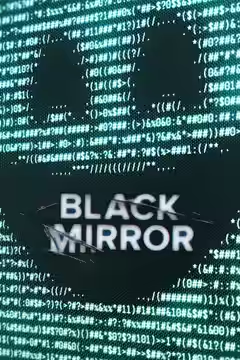
The reservation is that his pictures keep their promises and the films around them often do not. The First Omen repays being looked at, then lies down for its last half hour; Abigail is twenty minutes too long and cannot stop explaining its own rules. Neither is Morton's fault, but a man this careful about lamplight and grain keeps spending his craft on scripts that stop earning it. He is also a servant rather than a stylist: you could not pick a Morton frame out of a line-up, and the old-photograph look of The First Omen is Arkasha Stevenson's as much as his. Black Mirror is the highest score we have given anything he shot, and our review found nothing in the photography to single out.
In horror the house matters more than in any other genre, and Morton builds houses you believe could hurt you. Watch The First Omen for the slabbed light and Orphan Black for the colours. Whether the next director gives him a third act to match is out of his hands.
Biography
Aaron Morton is a New Zealand cinematographer and occasional director working in film and television.
He began his career in the late 1990s with music videos and short films, later contributing to series such as Xena: Warrior Princess and Spartacus. Morton served as director of photography on Orphan Black (2013–2017), for which he received multiple Canadian Screen Awards for Best Cinematography, and directed three episodes of the series.
His feature credits include Evil Dead (2013), Black Mirror: Bandersnatch (2018), No One Will Save You (2023), The First Omen (2024) and Abigail (2024). He has also worked on The Lord of the Rings: The Rings of Power (2022) and Sweet Tooth (2021).