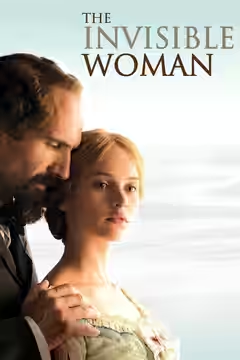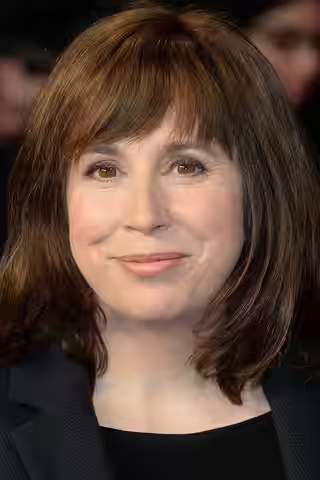
Abi Morgan writes women who are good at their jobs and bad at being looked after, and puts them in rooms where the work is the drama. Her scripts are sharp for an hour and then, too often, run out of things to find out.
Fi1m perspective
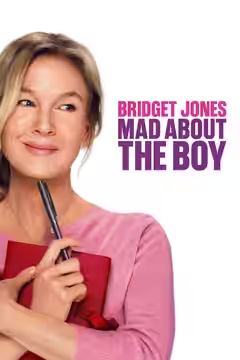
Bel Rowley walks into a BBC newsroom in 1956 as the producer of a new programme called The Hour, and the two men beside her spend most of the series assuming one of them should be running it. That is the Abi Morgan set-up in miniature: a woman who is good at the job, a room full of people who have not quite noticed, and a private life kept in a drawer. Bridget Jones in Bridget Jones: Mad About the Boy (2025), widowed in a house far tidier than she is, is the same figure at a different age. Sissy in Shame (2011), whose neediness makes demands her brother cannot meet, is the same figure with the job taken away.
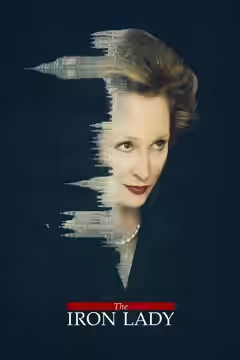
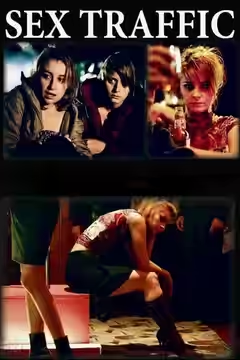
She began as a playwright and moved into television through single dramas including Sex Traffic (2004). Then 2011 arrived: The Hour, her first continuing series, The Iron Lady with Meryl Streep as Thatcher, and Shame with Steve McQueen. Suffragette followed in 2015 and The Split in 2018. Much of the work is adaptation, of novels or of real events, and she writes the person before the period. Suez in The Hour is the weather; the people in the newsroom are the story.
The rooms are where she is best. The newsroom in The Hour is quick, crowded and cruel about who gets the chair and why, and Ben Whishaw and Romola Garai talk in it like people who have known each other too long. The first hour of Mad About the Boy is the best of Bridget Jones since Sharon Maguire's 2001 original, because Morgan, Helen Fielding and Dan Mazer let a woman in her fifties be sad without making the sadness a joke. She has said that she writes tenderly for men and robustly for women, and it holds: Michael Fassbender's Brandon in Shame gets the film's patience, and Carey Mulligan's Sissy gets its force.
The trouble is what happens after the room is built. The Hour wraps a spy thriller around its newsroom, and by the fourth episode we were bored with it, and then irritated, because every dim corridor and coded message took the camera away from the only part of the series that was alive. Freddie Lyon's speeches about the duty of journalism sound written in 2011 and read aloud in 1956. Shame is right to refuse a speech about the cause of Brandon's addiction, but the script gives the siblings too little beyond their suffering. Mad About the Boy sits down after an hour and stays sat, and at 124 minutes it is cushioned where it should be sharp.
Our scores for her sit at seventy or just above, and that feels right. She writes a first hour we will always turn up for. The question each time is what the second has been given to do.
Biography
Abi Morgan is a Welsh playwright and screenwriter. Born Abigail Louise Morgan in Cardiff in December 1968, she is the daughter of actress Pat England and theatre director Gareth Morgan. She studied drama and literature at Exeter University before taking a postgraduate writing course at the Central School of Speech and Drama.
Morgan began writing for theatre in the late 1990s, with early credits including Skinned (1998) and Tender (2001). Her television work includes the BAFTA-winning Sex Traffic (2004) and The Hour (2011–2012), for which she received a Primetime Emmy. Film screenplays include Brick Lane (2007), The Iron Lady (2011), Shame (2011), Suffragette (2015) and Bridget Jones: Mad About the Boy (2025). She was appointed OBE in 2018 for services to theatre and screenwriting.