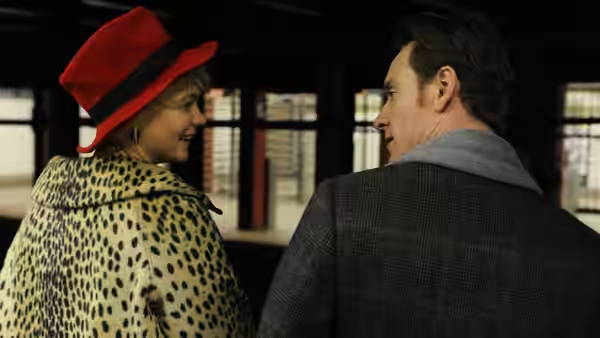
Brandon (Michael Fassbender) and Sissy (Carey Mulligan) embracing on the sofa
Film review

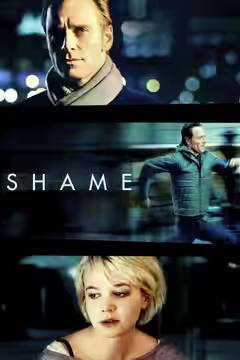
Shame

2011 · Directed by Steve McQueen · 1h 42m · MPA NC-17

In a sentenceMichael Fassbender makes a night alone look like something to be survived

Brandon (Michael Fassbender) lives in New York, where his life is organised around a compulsive need for sex. His routines keep him apart from other people even as he seeks physical contact. When his sister Sissy (Carey Mulligan) arrives, her presence interrupts the routines that allow him to keep people at a distance. Sissy needs attention and closeness, bringing demands that Brandon struggles to accommodate. Directed by Steve McQueen and written by McQueen and Abi Morgan, Shame follows the siblings as their conflicting needs disturb a life Brandon tries to keep under control.

Plays from YouTube when you press play; nothing loads from them until then.

Fi1m review

Steve McQueen’s Shame is a demanding drama worth seeing for Michael Fassbender and Carey Mulligan. They make Brandon and Sissy’s suffering hard to dismiss, though the script gives the siblings too little beyond it.

Steve McQueen’s Shame is a good, troubling drama whose performances make up for some narrow writing. It follows Brandon, a New Yorker whose sexual compulsion has left him isolated, until his sister Sissy disrupts the life he has arranged around it. McQueen takes the repetition seriously: the sex provides no lasting satisfaction, and the film gives us little respite from the need for more. That severity suits the subject, although it eventually limits how much we learn about the man.

Fassbender makes Brandon’s physical exposure painful without asking us to admire the actor’s willingness to do it. We felt sorry for Brandon sooner than we expected, because Fassbender makes his pursuit of sex look exhausting from the start. There is little pleasure in it, and no suggestion that another encounter will be enough. The performance makes that repeated failure credible, even when the script has stopped finding anything new in it.

Carey Mulligan’s Sissy matters because her neediness makes a demand Brandon cannot deal with on his own terms. She gives that need enough force to interrupt the film’s careful composure, and her presence is welcome even when Sissy is difficult company. Together, the actors suggest hurts that the screenplay by McQueen and Abi Morgan declines to explain. Mulligan has to work hard to keep Sissy from becoming simply another difficulty for Brandon, and mostly succeeds.

Sean Bobbitt’s cinematography is exact and controlled, making New York seem a harsh place to spend time without anyone close. Judy Becker’s production design adds to that sense of sterility, giving Brandon surroundings that seem to offer him no comfort. The polish works because it helps us understand how thoroughly he has narrowed his life, though there are moments when the handsome compositions become distracting. The resulting New York can feel too carefully stripped of ordinary pleasure.

Joe Walker’s editing keeps us with that discomfort long enough for the repeated behaviour to become wearing. This is partly the point, but recognising a deliberate choice does not make every stretch rewarding. Harry Escott’s music is effective at sustaining unease, less so when it adds emphasis to suffering already clear in the performances. As the film becomes more insistent, we begin to feel the effort being made to distress us, and its quieter passages seem more convincing.

The chief problem lies in Morgan and McQueen’s screenplay, which keeps returning to Brandon’s anguish without giving it enough new detail. Refusing an easy explanation is sensible; a speech about the cause of his addiction would hardly improve matters. But the script asks the actors to make the siblings particular while keeping much of what might distinguish them out of reach. For an addiction drama so committed to watching closely, it is frustratingly reluctant to discover much beyond compulsion, isolation and the difficulty of accepting affection.

At 102 minutes, Shame makes substantial demands without quite justifying all of them. Fassbender and Mulligan give it enough human feeling to keep that severity from becoming merely punitive, and there is care in the way McQueen allows them to be difficult without making them ridiculous. It is worth the discomfort if two fine performances are enough to carry an evening this bleak.


Critical consensus AI synthesised

69
Positive
10
Mixed
4
Negative
3

Most critics respond positively to Shame, with the strongest agreement around Michael Fassbender’s performance as a man consumed by sexual compulsion. The reviews praise his physical frankness and ability to suggest emotional pain, while Carey Mulligan also draws strong notices. Steve McQueen’s controlled direction and carefully composed images earn respect even from several detractors. Supporters find the film’s restraint essential to its disturbing account of addiction and isolation, though enthusiasm for the acting is more consistent than confidence in the writing.

The spread is wide: what some critics find probing and humane, others find cold, shallow or moralising. Reservations centre on thin characterisation, withheld explanations and a tendency towards monotony or overstatement. Film Comment sees striking craft without sufficient reason to care, while Slant Magazine regards the minimalist storytelling as lazy. Even among favourable reviews, there are doubts about how much the film reveals beneath its accomplished surface.

Empire
3 January 2012 · Damon Wise
85*

An intellectually austere character study of sex addiction that is brave, beautifully acted and emotionally revealing, with a tour de force from Fassbender and strong support that leavens its rigours.

Read the full review →
Little White Lies
13 January 2012 · 5/4/3 · Adam Woodward
80

The critic finds the film raw, elegant and uncompromising as a companion piece to Hunger, but ultimately skin-deep in substance with a lack of stamina. McQueen and Fassbender's work is singled out for praise.

Read the full review →
Screen Daily
4 September 2011 · festival review
80*

The critic calls it provocative, beautifully directed and perfectly performed, a compulsive story of sexual addiction with magnificent central performances from Fassbender and Mulligan.

Read the full review →
Time Out
4 September 2011 · ★★★★ · Dave Calhoun
80

The critic sees it as a courageous, probing character study of a man whose sex drive is an outlet for deeper agonies, with steely, unflinching direction that avoids easy explanations.

Read the full review →
Radio Times
★★★ · Adam Smith
60

The critic notes it is powerfully acted and well directed, with the harsh New York setting standing out, but finds it focused heavily on Fassbender's physical presence.

Read the full review →
The Independent
13 January 2012
60*

The film is a cold, calculated study of unassuageable lust in a New York sex addict whose sterile existence is disrupted by his needy sister. It is repellent but Fassbender's performance keeps it compelling despite the emotional nullity.

Read the full review →

Straight answers AI written, from our review

Is Shame worth watching?
Shame is worth watching for Michael Fassbender and Carey Mulligan, and we scored it 74. Steve McQueen's drama about a New Yorker's sexual compulsion is bleak and repetitive by design, and the script gives the siblings too little beyond their suffering. It suits viewers prepared for a demanding evening carried by two fine performances.
How long is Shame, and what is it rated?
Shame runs 1h 42m and is rated NC-17 by the MPA in the US. It is a drama film.
Where can I watch Shame in the US?
Shame is available to rent from Apple TV from $3.99. Availability is checked daily; the links above go straight to each service.
How violent or frightening is Shame, and is it suitable for children?
Shame is certificated 18 in the UK and NC-17 in the US, and it is not suitable for children. The film is built around Brandon's compulsive sex life, with a great deal of nudity and sexual content that the review describes as exposing and painful rather than pleasurable. It is not violent or frightening in the horror sense, but its bleakness is unrelenting.
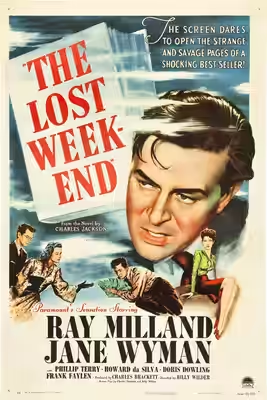
How does Shame compare to The Lost Weekend?
Shame and The Lost Weekend both follow a New Yorker in the grip of compulsion, but Billy Wilder's film is the more direct drama, with less patience for concealment. Shame watches Brandon's routines closely without explaining them, and grows wearing as a result. The earlier film is the more honest and frightening of the two, though its final minutes ring false.
What should I watch after Shame?
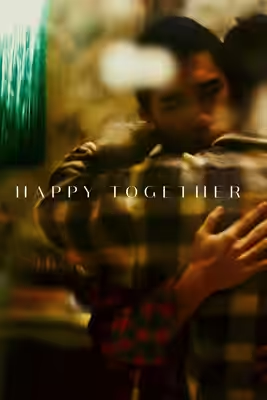
After Shame, try The Piano Teacher (2001, Fi1m 82): Sexual compulsion receives another unsparing examination, with little comfort and formidable acting. Then The Lost Weekend (1945, Fi1m 82): Compulsive behaviour drives a more direct drama, with less patience for concealment; and Happy Together (1997, Fi1m 86): For the volatile intimacy and the sense that company can make loneliness worse.

Cast

Awards

European Film Award for Best Actor, 2012

Nominated
European Film Award for Best Actor

European Film Award for Best Cinematographer, 2012

Won
European Film Award for Best Cinematographer

European Film Award for Best Director, 2012

Nominated
European Film Award for Best Director

European Film Award for Best Editor, 2012

Won
European Film Award for Best Editor

European Film Award for Best Film, 2012

Nominated
European Film Award for Best Film

European Film Award – People's Choice Award for Best European Film, 2012

Nominated
European Film Award – People's Choice Award for Best European Film

If you liked this, try…

  1. The Piano Teacher (2001, Fi1m 82)Sexual compulsion receives another unsparing examination, with little comfort and formidable acting.

  2. Oslo, August 31st (2011) · not reviewed yetA quieter day with addiction, loneliness and the effort of appearing ordinary.

  3. The Lost Weekend (1945, Fi1m 82)Compulsive behaviour drives a more direct drama, with less patience for concealment.

  4. Happy Together (1997, Fi1m 86)For the volatile intimacy and the sense that company can make loneliness worse.

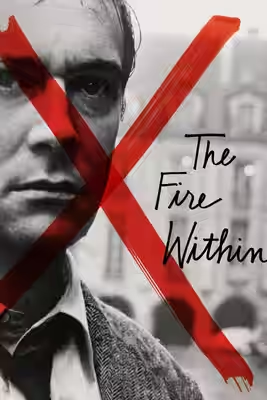
  5. The Fire Within (1963) · not reviewed yetAnother troubled man moves through a city, struggling to reach the people nearby.

Free account

Know what to watch tonight

Two lists that know where things are streaming, collections you can share, your own score beside ours, and Discover that remembers what you have seen.

  • Want to see, sorted by what is streaming now
  • Seen, with your score out of ten
  • No adverts, ever