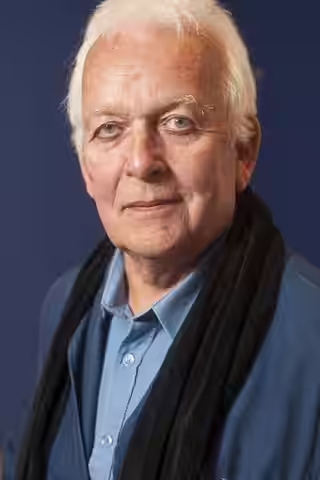
Andrew Davies gives literary characters sharp dialogue and room to misunderstand one another. We rate his adaptations highly, especially when he trusts the actors and the conversation; his fondness for broad comedy needs firmer handling.
Fi1m perspective
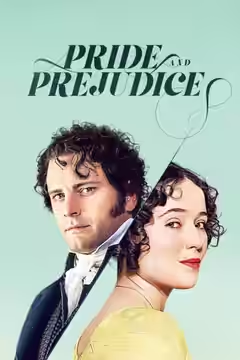
In Simon Langton’s Pride and Prejudice (1995), a conversation can go badly and still be worth listening to. Andrew Davies gives Jennifer Ehle and Colin Firth enough time to make attraction complicated, with wit that matters beyond the business of courtship. We were touched by the romance because their interest in one another depends on what they say and hear, rather than simply how they look. Across six episodes, Davies makes that attention rewarding, though some of the supporting comedy is pushed too hard. He is at his strongest when nobody needs to be made ridiculous to keep us watching.
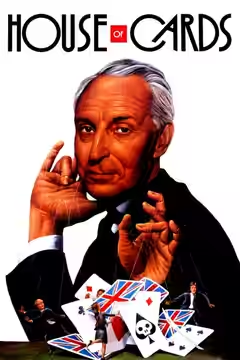
His original television work includes A Very Peculiar Practice (1986–88), but House of Cards (1990) brought wider attention. Adapting Michael Dobbs’s novel, Davies gives Ian Richardson’s Urquhart the language to make ambition sound respectable. The scheming is brisk and funny, and the theatricality does not cancel the threat. The trouble is how much of the wit belongs to one man: Susannah Harker’s Mattie Storin and Miles Anderson’s Roger O’Neill too often seem useful to Urquhart rather than interesting in themselves. We keep waiting for Richardson to return.
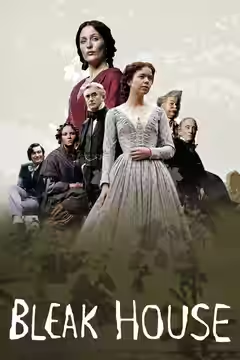
Middlemarch (1994) preceded the Austen breakthrough, and later adaptations include Bleak House (2005) and War and Peace (2016). Davies updates dialogue, adds scenes and makes sex, money and power explicit, giving audiences direct reasons to take an interest in the people inside substantial books. This has brought criticism that he imposes contemporary attitudes on older novels or favours sensation over fidelity. We care more about whether the characters seem to have lives beyond the scene Davies needs them for.
Bridget Jones’s Diary (2001) shows the cost of pushing embarrassment too far, even in a film we recommend. Davies shares screenplay duties with Helen Fielding and Richard Curtis, and their script sometimes arranges another awkward moment where Bridget’s intelligence deserved more protection. Renée Zellweger keeps a recognisable adult in view when the physical comedy threatens to make her childish. The film earns our affection, but we wish these writers would trust her wit as readily as Davies trusts a difficult conversation in Austen. Start with Pride and Prejudice, and give its conversations time.
Biography
Andrew Davies is a Welsh screenwriter and novelist. Born in Rhiwbina, Cardiff, in 1936, he read English at University College London and worked as a teacher and university lecturer before writing full time from the late 1980s.
He is best known for his television adaptations of classic novels, including Middlemarch (1994), Pride and Prejudice (1995), Bleak House (2005) and War & Peace (2016), and for his original series A Very Peculiar Practice (1986–1988). He also adapted Michael Dobbs’s House of Cards for the 1990 BBC series. Davies was awarded the BAFTA Fellowship in 2002.