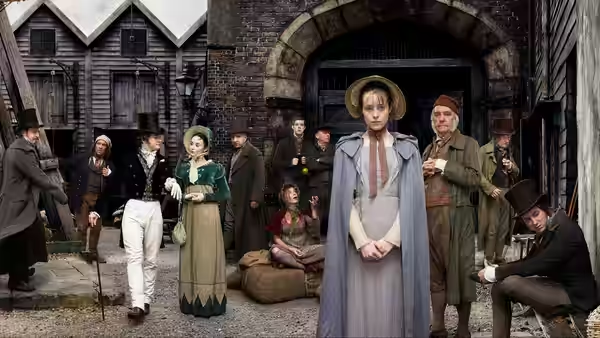
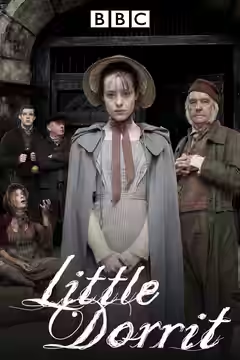
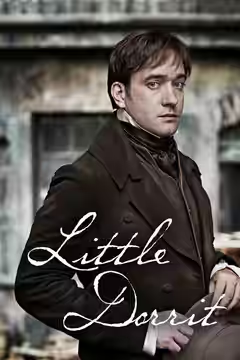
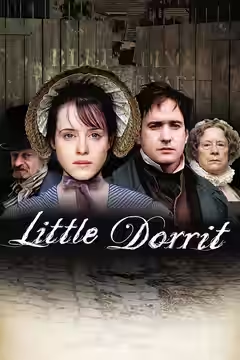
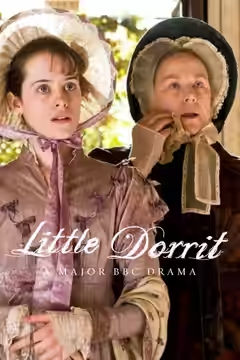
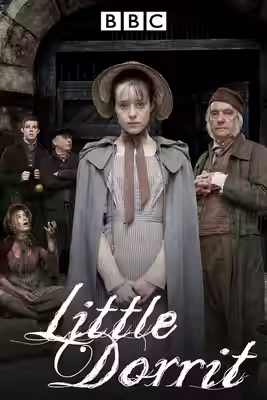
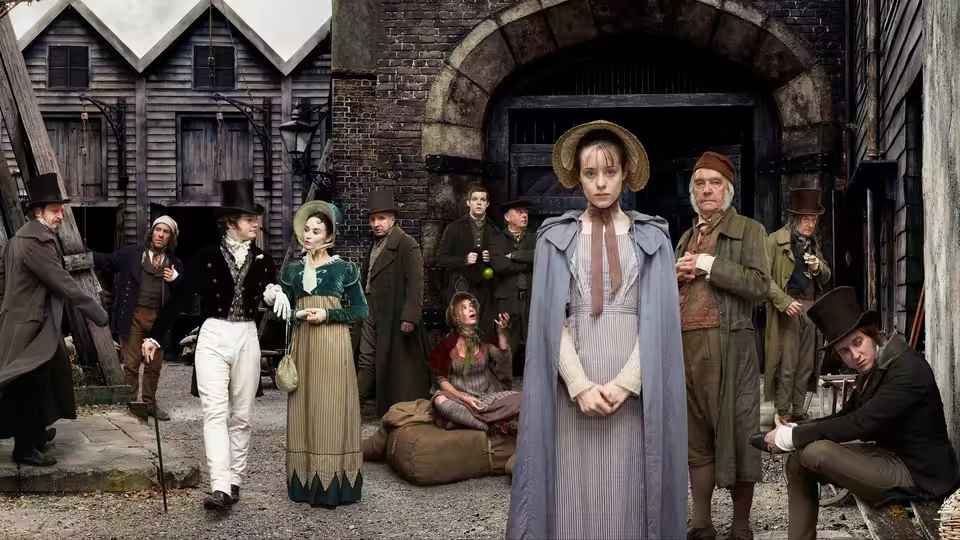
Amy Dorrit (Claire Foy) standing with clasped hands before a group in period dress
Series review

Little Dorrit

2008 · Created by Andrew Davies · Series · 30m · MPA TV-PG

In a sentenceFourteen episodes, a fine cast, and an ending that appears to have another appointment

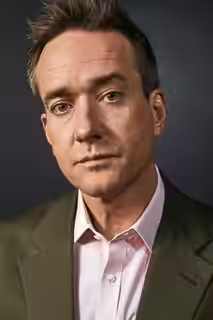
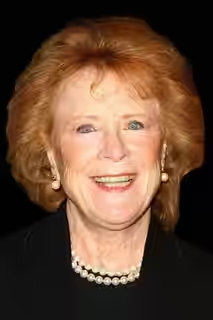
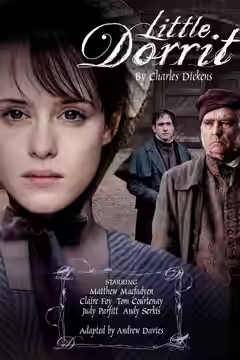
Andrew Davies’s adaptation of Charles Dickens follows Amy Dorrit (Claire Foy) and Arthur Clennam (Matthew Macfadyen) through a story of class, mystery and romance. Around them are Mr. Dorrit (Tom Courtenay), Mrs. Clennam (Judy Parfitt) and Fanny Dorrit (Emma Pierson), part of a cast that also includes Pancks (Eddie Marsan) and Rigaud (Andy Serkis). The series follows its characters across fourteen episodes, giving space to their separate stories and the connections between them, with the developing mystery sharing attention with questions of social standing and romantic attachment.

Plays from YouTube when you press play; nothing loads from them until then.

Fi1m review

Andrew Davies’s adaptation of Charles Dickens is absorbing, uneven television, carried by Claire Foy, Matthew Macfadyen and a strong ensemble. The slow opening asks a little too much patience, and the hurried ending gives too little back.

Little Dorrit is good, uneven television, carried by actors who make a large story worth following. Andrew Davies adapts Charles Dickens, with Diarmuid Lawrence, Dearbhla Walsh and Adam Smith directing. Class, mystery and romance all compete for attention, and there is enough interest in each to justify taking our time. The trouble is how that time is distributed: a slow opening and a hurried ending give this fourteen-episode series an awkward shape.

We found the opening frustrating, because an appealing cast is there before the drama gives us much momentum. Claire Foy, as Amy Dorrit, is the clearest reason to stay, with Matthew Macfadyen’s Arthur Clennam another. Their performances give us something to care about while the larger story is still getting into position. We would have liked Andrew Davies to reach that point sooner, but the growing attachment to these characters does eventually repay the patience.

Tom Courtenay’s Mr. Dorrit and Judy Parfitt’s Mrs. Clennam make the supporting cast feel worth following in its own right. Emma Pierson, playing Fanny Dorrit, adds to the pleasure of an ensemble that does not depend entirely on its leads. There is room here for different kinds of acting, and the crowded cast mostly feels like an advantage. We keep finding another performer worth attending to, even when the story threatens to become cumbersome.

James Merifield’s production design gives the drama a reassuring solidity without becoming its chief attraction. Cinematographers Alan Almond, Lukas Strebel and Owen McPolin make the presentation feel coherent, although the performances remain more compelling than the pictures. That is a reasonable order of priorities for a series with this many people to introduce. The production is handsome, but admiring its appearance would not, by itself, be enough to keep us watching.

John Lunn’s music helps the emotional passages, though our attachment to the characters comes chiefly from the acting. Editors Nick Arthurs, David Head and Philip Kloss are less successful at giving the whole series an even rhythm, a problem that also belongs to Andrew Davies’s screenplay. The ending feels hurried, especially after so much time has been spent getting started. We wanted that stretch to have some of the earlier willingness to let things develop.

As a serial drama, it understands the wish to return to people, even before there is a pressing need to know what happens next. Its mixture of social standing, romantic interest and mystery gives that return enough variety to remain absorbing. We do not recommend an adaptation simply because it takes on a substantial novel and assembles a distinguished cast. Here the actors make the complications matter, and their work is persuasive enough to carry us through the less engaging stretches.

We would choose it for an evening when there is room to settle into a large cast, without expecting the first instalment to do all the persuading. Give it that allowance, and the performances provide good reasons to continue. Keep a little goodwill in reserve for the finish, too.

Critical consensus AI synthesised

3 of 6
Positive
3
Mixed
0
Negative
0
Variety
26 March 2009 · Brian Lowry
75*

The critic finds the eight-hour miniseries absorbing despite a slow start and rushed ending, praising the sprawling story of class, mystery and romance along with the strong ensemble cast including Claire Foy and Matthew Macfadyen.

Read the full review →
The Telegraph
11 December 2008
70*

The series has not caught on like previous adaptations but features reliably terrific performances, especially Tom Courtenay as Mr Dorrit. The plot remains complex despite simplifications, yet the characters make the viewing worthwhile.

Read the full review →
The Times
27 October 2008 · Andrew Billen
70*

The opening episode impresses with strong character acting and a central father-daughter relationship. Andrew Davies's script effectively frames the story as a metaphor for life's prisons.

Read the full review →

Straight answers AI written, from our review

Is Little Dorrit worth watching?
Little Dorrit is worth watching for anyone with the patience for a fourteen-episode Dickens serial, and we scored it 76. Claire Foy and Matthew Macfadyen carry a slow opening, and the supporting cast, led by Tom Courtenay and Judy Parfitt, repays the time. The hurried ending gives back less than the long start promised.
How long is Little Dorrit, and what is it rated?
Little Dorrit has episodes of about 30m and is rated TV-PG by the MPA in the US. It is a drama series.
Where can I watch Little Dorrit in the US?
Little Dorrit is streaming on Amazon Prime Video, Peacock, BritBox, The Roku Channel and Tubi in the US, and it is also available to buy from Amazon Prime Video. Availability is checked daily; the links above go straight to each service.
How violent or frightening is Little Dorrit, and is it suitable for children?
Little Dorrit carries a UK 12 certificate, and it is a period drama of class, mystery and romance rather than a violent or frightening one. Our review found nothing to alarm the squeamish, so it suits teenagers and older children who can sit through a slow, talkative story. Younger viewers are more likely to be bored than upset.
How does Little Dorrit compare to Bleak House?
Little Dorrit is the more believable of Andrew Davies's two Dickens adaptations, while Bleak House is the funnier. The earlier series leans on a gothic, exaggerated style that supplies comedy but undermines its serious drama; the later one plays straighter and trusts its actors. We would choose Little Dorrit for absorption and Bleak House for Gillian Anderson.
Is Little Dorrit based on a true story or a book?
Little Dorrit is based on the novel by Charles Dickens, adapted for television by Andrew Davies, and not on a true story. The series keeps the novel's mixture of social standing, romance and mystery across fourteen episodes. Knowing the book is not necessary; the story is laid out patiently, if slowly, for newcomers.
What should I watch after Little Dorrit?
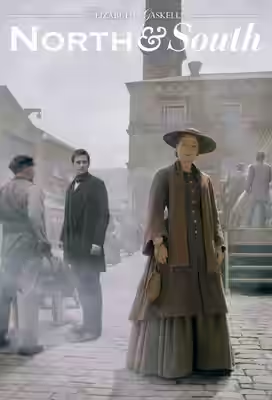
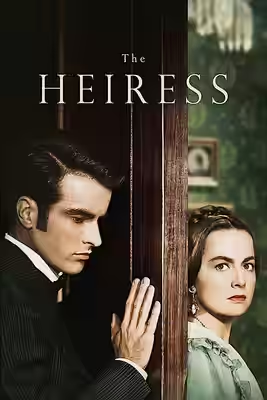
After Little Dorrit, try Bleak House (2005, Fi1m 65): Another expansive adaptation, with a mystery and a cast worth getting to know. Then North & South (2004, Fi1m 83): For romance in which class differences have consequences beyond an awkward dinner; and The Heiress (1949, Fi1m 90): A smaller, sharper drama about money, affection and the danger of confusing them.

Cast

If you liked this, try…

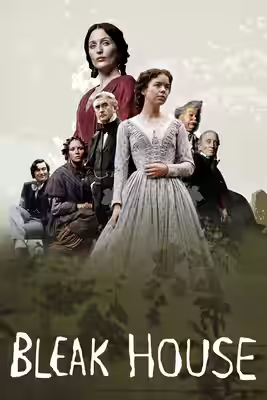
  1. Bleak House (2005, Fi1m 65)Another expansive adaptation, with a mystery and a cast worth getting to know.

  2. North & South (2004, Fi1m 83)For romance in which class differences have consequences beyond an awkward dinner.

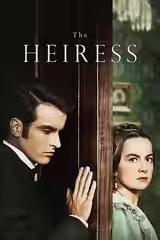
  3. The Heiress (1949, Fi1m 90)A smaller, sharper drama about money, affection and the danger of confusing them.

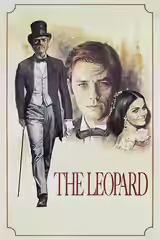
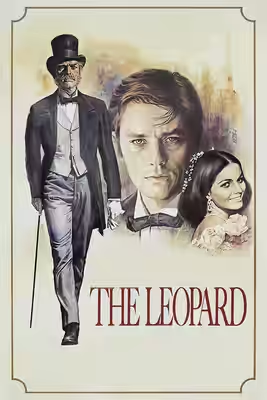
  4. The Leopard (1963, Fi1m 88)For another patient account of social standing, with considerably grander rooms.

  5. Pachinko (2022, Fi1m 85)An expansive family drama that gives private feelings room beside social upheaval.

Free account

Know what to watch tonight

Two lists that know where things are streaming, collections you can share, your own score beside ours, and Discover that remembers what you have seen.

  • Want to see, sorted by what is streaming now
  • Seen, with your score out of ten
  • No adverts, ever