Ann Miller tapped at a rate the studio claimed was five hundred a minute, and Hollywood used it to decorate other people's films. The dancing is why to seek her out; the parts around it are why it took Broadway to make her a star.
Fi1m perspective
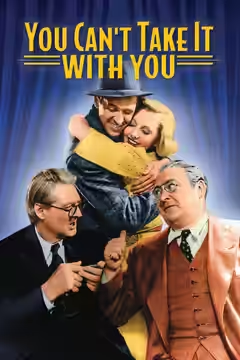
The house in You Can't Take It with You (1938) never stops making noise, and one of the noises is Ann Miller. Essie Carmichael dances across the parlour in a tutu while her husband plays the xylophone for her and her teacher, Kolenkhov, watches and announces that, confidentially, it stinks. Miller was a teenager who had signed to RKO the year before on a birth certificate that added four years, and she had been dancing since she was a child. The joke of Essie is a girl who cannot dance, played by a girl who could hardly do anything else. We laughed at it, and we were touched by it too, because the film is at its best when the household is simply carrying on, and Miller carrying on in a tutu is a large part of the racket.
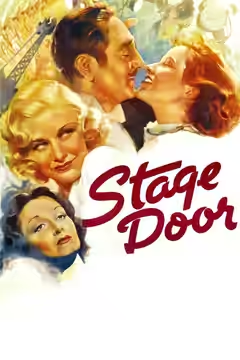
The studio years followed the pattern set there. Supporting parts at RKO, Stage Door (1937) and Room Service (1938) among them, then a move to MGM for a run of musicals between 1948 and 1955: Easter Parade (1948) opposite Fred Astaire, On the Town (1949) with Gene Kelly, Kiss Me Kate (1953), where she has 'Too Darn Hot'. What she brought was speed. The publicity department said five hundred taps a minute, and whatever the true figure it was fast enough to look like a machine had been let loose in a chorus line. She also brought a look, black hair lacquered into a bouffant and a face painted for the back row, so that she read as a showgirl before she had done a step.
That was the trouble. MGM had some of the fastest feet on the lot and cast them as the brassy, good-hearted friend of the woman the film was about, over and over. Miller knew it. She said herself that she never really had her big moment on the screen, and the record supports her: second feminine lead through the whole MGM run, top billing never. The dancing is not to blame; it is why the numbers are remembered. The parts around it are thin, and a dancer who is only ever allowed to be a type does not get to show whether she could have been anything else. It took the stage to fix that. Mame on Broadway in 1969, then Sugar Babies with Mickey Rooney, from 1979 to 1988 and on tour, gave her the star billing the films had not.
Her last screen appearance is a small one, in a film we rate highly. In Mulholland Drive (2001) she is Coco, who manages the apartments in David Lynch's Hollywood mystery. We did not single her out when we reviewed it, and we will not pretend to now. But there is something right about Lynch, of all people, putting the MGM showgirl in charge of the building in a film about Hollywood. If you want to see her act, start with You Can't Take It with You. If you want to see why she was hired at all, find the MGM musicals and wait for the tap.
Biography
Ann Miller, born Johnnie Lucille Collier, was an American actress, dancer and singer. She began her film career in the 1930s and appeared in a series of musicals for RKO and Columbia before moving to MGM, where she featured in Easter Parade (1948), On the Town (1949) and Kiss Me Kate (1953). Earlier credits include You Can't Take It with You (1938) and Stage Door (1937).
Miller performed on Broadway, including a long run in Sugar Babies from 1979. Her final screen role was as Coco in David Lynch's Mulholland Drive (2001). She died in Los Angeles in 2004.