Anya Taylor-Joy's best work is done sitting still. She watches, waits and lets her opponent talk, and when a director gives her the time she is the reason to keep watching; when a film is in a hurry she is left with her costume.
Fi1m perspective
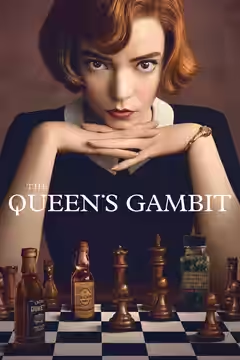
Watch what Anya Taylor-Joy does when she loses. In The Queen's Gambit (2020) Beth Harmon is beaten, and her reaction is a hand going out to knock over her own king, nothing more. Most actors playing a genius on television reach for tics. She sits still, watches, and lets the man across the board talk himself out, and Scott Frank's camera gives her the time to do it. Some critics found her cold in the part. We thought cold was the part, and that she knew exactly when to let it slip, usually in a hotel room with a bottle. The moment we still think about is not a win. It is that hand.
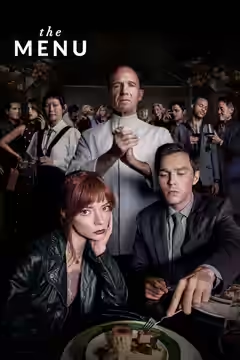
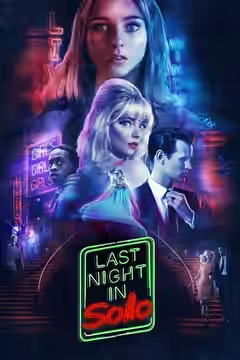
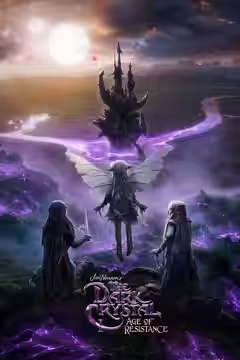
She came up through small television parts and broke through in 2015 as Thomasin in Robert Eggers's The Witch. Horror followed, Split (2016) and Glass (2019) for M. Night Shyamalan, and then two leads in 2020, Emma and The Queen's Gambit, made her a name. Since then: Last Night in Soho (2021), The Northman (2022), The Menu (2022) and George Miller's Furiosa: A Mad Max Saga (2024). We have not reviewed the early films and will not judge them here. The pattern is plain: a wide, watchful face, cast again and again as someone the other characters take for harmless.
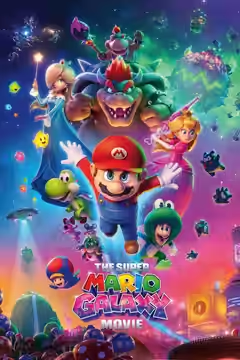
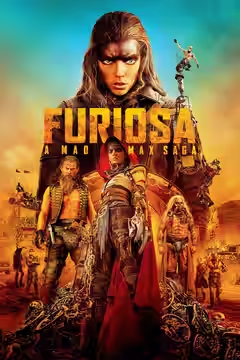
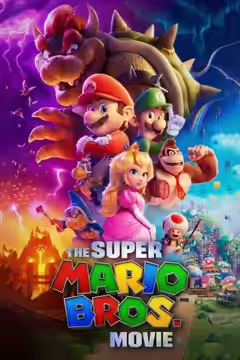
Furiosa shows what she can do and what a script can stop her doing. She does not arrive until well into the film and then barely speaks. She is fierce, and her scenes with Tom Burke's Praetorian Jack are played almost entirely in glances, which suits her. But we know where Furiosa ends up, so the film cannot make us fear for her, only show what it cost, and she is given less to play than the child was. Some reviewers took a while to accept her in a part built for a bigger frame. That was not the trouble; the trouble was a character whose ending had been written before she walked on. The same thing, smaller, happens to Princess Peach in the two Super Mario films (2023 and 2026): capable, dry, and given a costume, a sprint and nothing to watch.
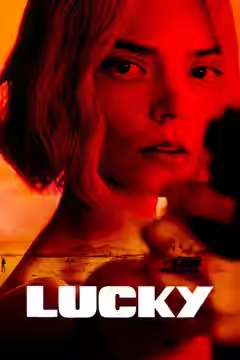
Lucky (2026) is the useful case, because the series repeats itself and she does not. Playing a con artist with a new name in every town, she builds each identity out of habits rather than voices: how Lucky stands in a doorway, how long she lets a stranger look at her before she looks back. She never lets us see her choose until the choice is made. It is the same trick as the king going over, and it kept us watching seven episodes the scripts had not earned.
Cast her where the camera has time to wait. Frank did, and got six episodes out of it. Miller did, for the middle hour. Anyone who hands her a plot in a hurry will get the princess, and she will do it capably, and we will wait for the next director who lets her sit down.
Biography
Anya Taylor-Joy is an actor. Born on 16 April 1996 in Miami, Florida, she was raised in Buenos Aires and London, and left school at 16 to pursue an acting career.
She first gained attention for leading roles in the horror films The Witch (2015) and Split (2017), and its sequel Glass (2019). Taylor-Joy appeared as Gina Gray in the series Peaky Blinders and as Beth Harmon in the miniseries The Queen's Gambit (2020), winning a Golden Globe Award and a Screen Actors Guild Award for the latter.
She voiced Princess Peach in The Super Mario Bros. Movie (2023) and The Super Mario Galaxy Movie (2026). Taylor-Joy starred as Furiosa in Furiosa: A Mad Max Saga (2024) and as Luciana 'Lucky' Armstrong in the series Lucky (2026).