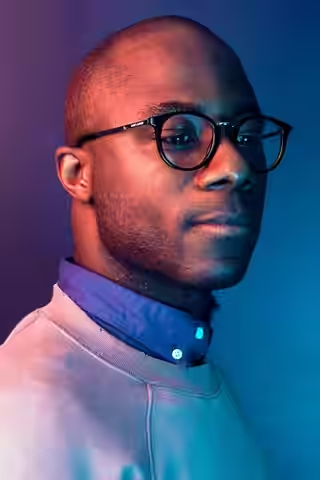
Barry Jenkins is at his best with a face held close and feelings left unspoken. We rate his patience with people highly, though his images and music sometimes insist on what the actors have already made clear.
Fi1m perspective
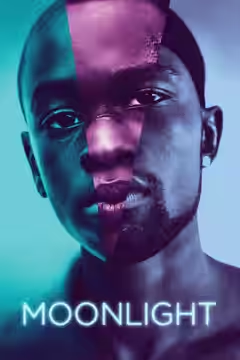
A character looks straight into the lens, and Jenkins lets the look last. He gives us time to notice what a face does when someone is not speaking. In Moonlight (2016), he follows Chiron, a Black gay boy, through three stages of life, leaving much of his struggle unspoken. We were moved by Chiron’s silences, which make his fear of showing himself to others painfully clear.
The screenplay, drawn from a story by Tarell Alvin McCraney, trusts the actors with that difficulty, sometimes too much. The jumps between ages leave us wanting more of Chiron’s ordinary days, to understand how he has changed. A look occasionally has to explain what another scene might have shown, while the music and images can press an emotion that is already clear. We still recommend it strongly; the gaps never made us care less about Chiron.
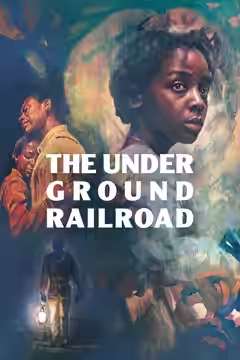
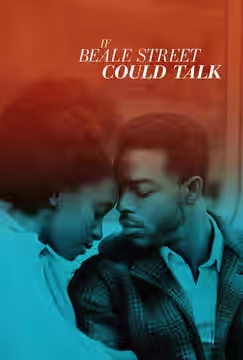
His feature debut, the San Francisco romance Medicine for Melancholy (2008), came eight years before Moonlight. Then came two literary adaptations: If Beale Street Could Talk (2018), from James Baldwin, and the limited series The Underground Railroad (2021), from Colson Whitehead. His attention remains on Black characters and the pressures shaping what they can say or do. Cinematographer James Laxton’s fluid camerawork helps him stay close to what people are feeling.
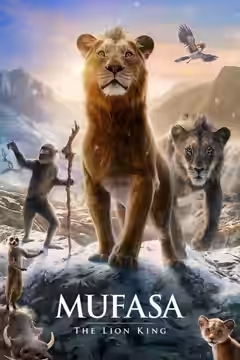
Mufasa: The Lion King (2024) is a less convincing turn towards family entertainment, though it has stretches worth seeing. Laxton takes the camera into a flood, beneath brown water and back past tumbling trees, making good use of a viewpoint no real camera could occupy. Production designer Mark Friedberg supplies a flooded valley and a snowy mountain pass that give the journey places worth looking at. Jenkins keeps us at cub height and circles the animals as they talk. The songs are forgettable, though, and the comic framing device repeatedly interrupts the story.
The deeper problem is that his lions cannot do what his human performers do: a lowered head must stand for grief or shame, with the voices supplying the rest. That is a poor fit for a director so attentive to what a person leaves unsaid. Start with Moonlight, and give its actors the same attention he does.
Biography
Barry Jenkins is an American film director, screenwriter and producer. Born on 19 November 1979 in Miami, Florida, he made his feature debut with Medicine for Melancholy (2008) after the short My Josephine (2003).
Jenkins directed and co-wrote Moonlight (2016), which won the Academy Award for Best Picture, and If Beale Street Could Talk (2018). He directed Mufasa: The Lion King (2024) and was a producer on Aftersun (2022). His television credits include directing an episode of Dear White People (2017) and creating the limited series The Underground Railroad (2021).