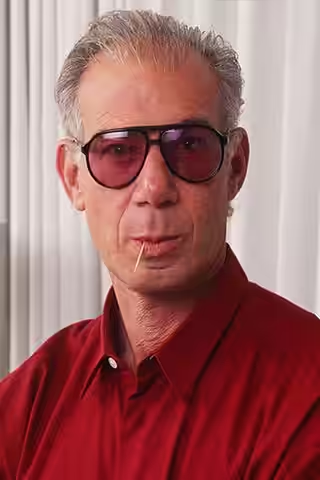
Bob Rafelson gave difficult men the time to reveal themselves, sometimes more than they deserved. We value his patient direction and his work as a producer who made room for other filmmakers’ character-led dramas.
Fi1m perspective
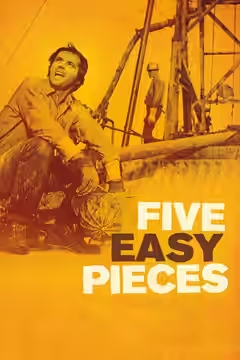
In Five Easy Pieces (1970), life seems to carry on around Jack Nicholson’s bad mood. Rafelson directs him as Robert Eroica Dupea, a cultivated man whose dissatisfaction does not make him good company. We found him uncomfortable company, because Rafelson makes his unhappiness understandable without making his unpleasantness acceptable. That is Rafelson at his strongest, willing to spend time with someone he has given us good reason to dislike.
His move into features came through the production partnership with Bert Schneider that began as Raybert and became BBS. Television success with The Monkees (1966–68) helped finance that move, with Rafelson directing the experimental Head (1968). BBS went on to produce Easy Rider (1969) and The Last Picture Show (1971). We need not give him credit for another director’s decisions to recognise the value of helping such films get made.
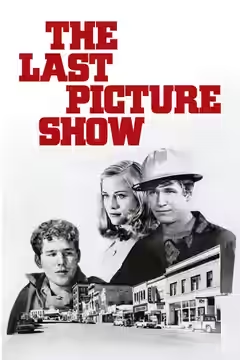
The Last Picture Show is Peter Bogdanovich’s film, and its patience and kindness towards people behaving badly should not simply be assigned to its producer. But it is persuasive evidence of what Rafelson was willing to back. We recommend it warmly for the performances that make Anarene’s disappointments hurt, despite an underwritten central character. Beside Five Easy Pieces, it suggests a producer comfortable with people whom a tidier drama might explain or excuse.
In Five Easy Pieces, that care reaches beyond the leading actor. László Kovács’s cinematography keeps the roadside world ordinary and inhabited, while Toby Carr Rafelson’s production design makes differences of class apparent without labelling every room. Those surroundings keep Dupea’s troubles in proportion. The weakness comes when his difficulty starts to seem sufficient reason for another stretch of our attention. Rafelson’s humour usually helps, allowing us to laugh at irritation that the character takes seriously.
The character studies continued with Nicholson in The King of Marvin Gardens (1972), while The Postman Always Rings Twice (1981) brought Rafelson back to mainstream attention. His later films received a more mixed critical response than his early-1970s work. For a first encounter, choose Five Easy Pieces; for a sense of what his producing made possible, follow it with The Last Picture Show.
Biography
Bob Rafelson (1933–2022) was an American film director, writer and producer. He directed Five Easy Pieces (1970), which he also co-wrote and produced, and served as producer on The Last Picture Show (1971).
Rafelson co-created the television series The Monkees (1966–1968) with Bert Schneider. Through their production company Raybert, later BBS Productions, they backed several key New Hollywood films including Easy Rider (1969). He collaborated frequently with actor Jack Nicholson on projects such as Head (1968), The King of Marvin Gardens (1972), The Postman Always Rings Twice (1981), Man Trouble (1992) and Blood and Wine (1996).
Other films he directed include Stay Hungry (1976), Black Widow (1987), Mountains of the Moon (1990) and No Good Deed (2002).