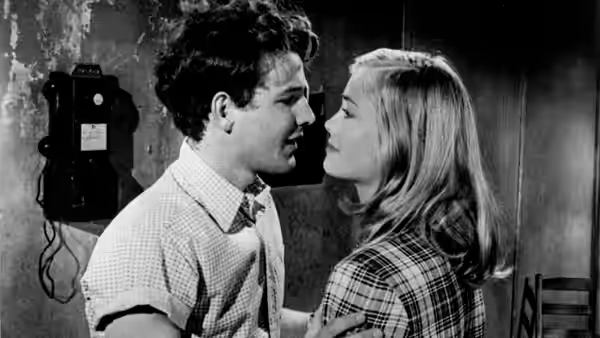
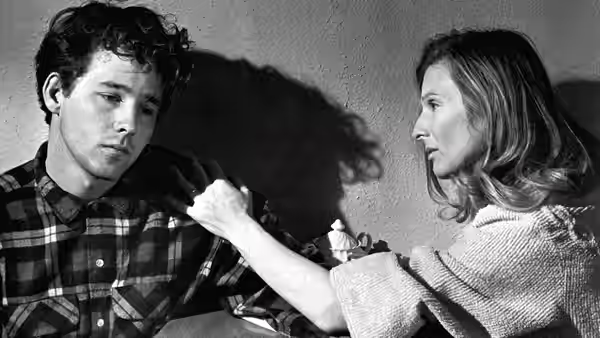
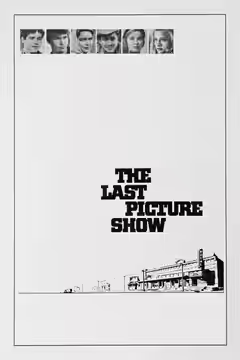
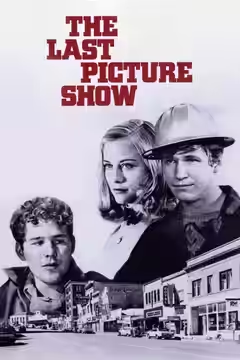
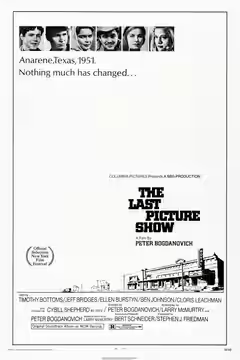
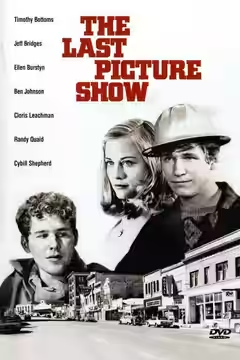
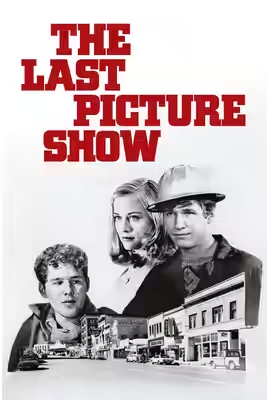
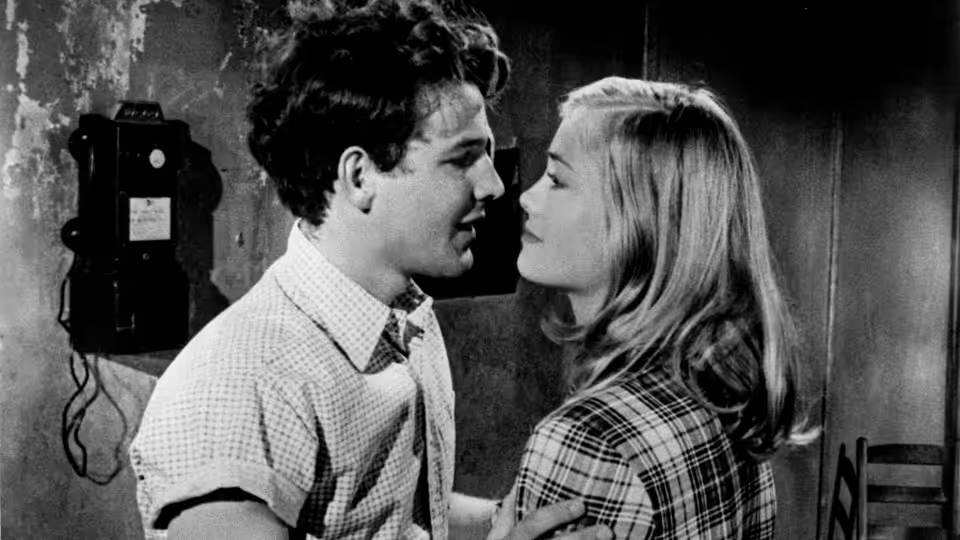
Young man and woman stand face to face in close conversation indoors
Film review

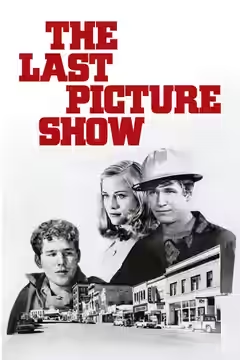
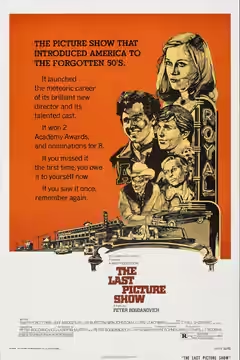
The Last Picture Show

1971 · Directed by Peter Bogdanovich · 1h 59m · MPA R

In a sentenceThe teenagers want sex; the adults would settle for someone being kind afterwards

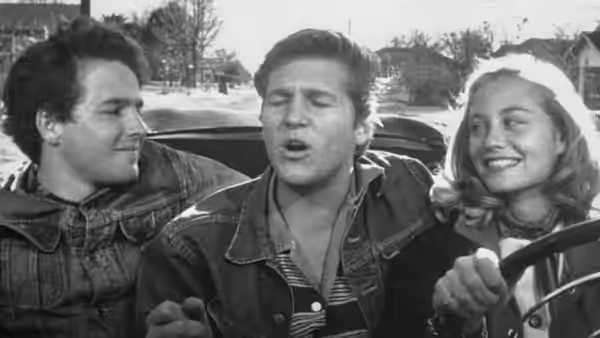
In Anarene, Texas, in 1951, Sonny Crawford (Timothy Bottoms) is approaching adulthood with little sense of what his town can offer him. Fellow high-school students Duane Jackson (Jeff Bridges) and Jacy Farrow (Cybill Shepherd) have their own hopes and sexual frustrations. The local cinema offers a distraction from a town in decline, while romance offers Sonny the prospect of affection. Around the teenagers are Sam the Lion (Ben Johnson), Ruth Popper (Cloris Leachman) and Lois Farrow (Ellen Burstyn), whose adult lives provide few reassuring examples. The young people’s search for intimacy takes place among neighbours still struggling with their own desires.

Plays from YouTube when you press play; nothing loads from them until then.

Fi1m review

Peter Bogdanovich’s small-town drama is patient, frank about sex and unusually kind to people behaving badly. One central character is underwritten, but the performances make Anarene’s disappointments hurt. We recommend it warmly.

Peter Bogdanovich takes the sexual restlessness of the young people in The Last Picture Show seriously, including their capacity to hurt one another. In Anarene, Texas, in 1951, the adults offer little reassurance that growing older will make life easier. Larry McMurtry adapts his novel with Peter Bogdanovich, and their screenplay is warm, sad and perceptive about people who want affection and mishandle it. It is a fine film, though one of the young leads deserved fuller treatment.

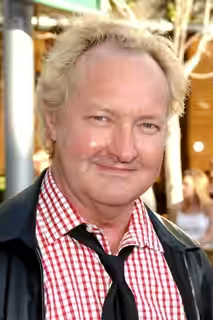
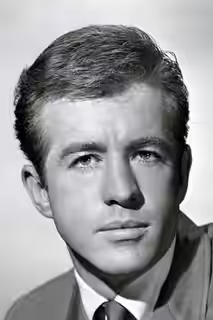
Timothy Bottoms makes Sonny Crawford’s uncertainty worth attending to, without turning him into the young man who understands everything. Jeff Bridges gives Duane Jackson more outward confidence, which helps keep the boys from merging into a general picture of restless youth. Their performances allow foolishness and vulnerability to occupy the same person. The screenplay is candid about sexual appetite, but it also understands the shame of wanting attention from someone who has other things to think about.

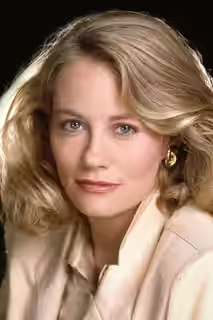
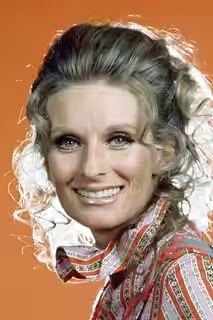
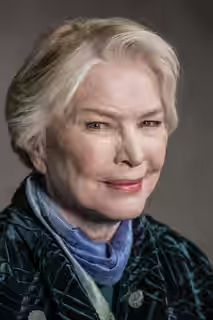
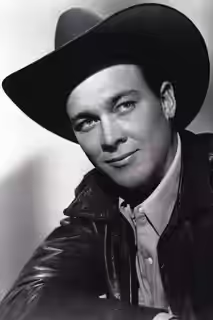
Cloris Leachman, as Ruth Popper, gives that shame an adult face, and we found her longing painful to watch. The embarrassment in her performance makes even the hope of affection seem difficult to admit. Ben Johnson’s Sam the Lion has a quieter authority, but Ben Johnson never lets apparent steadiness make him seem beyond disappointment. Ellen Burstyn’s Lois Farrow helps prevent the older generation becoming a row of warnings for the young; there is appetite here too, and an impatience that age has not cured.

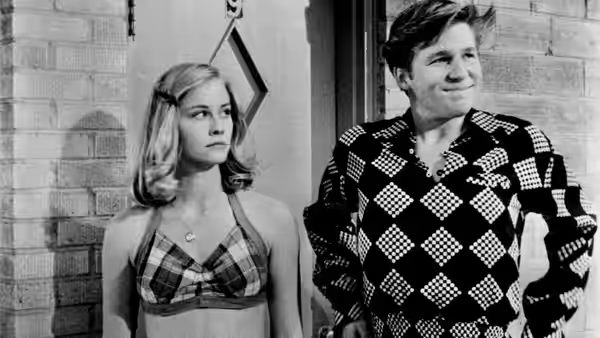
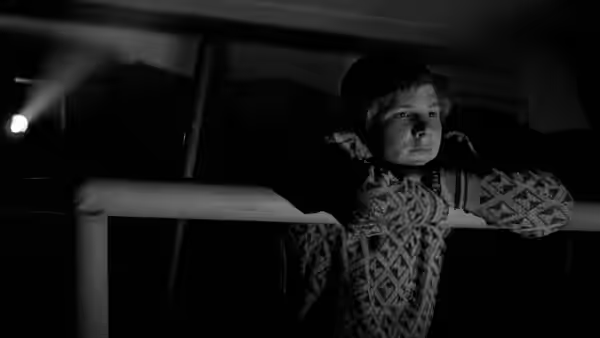
Robert Surtees’s black-and-white cinematography makes the shabby town seem thoroughly familiar to its inhabitants. There is little invitation to admire the period and forget the people living through it. Polly Platt, credited with both production design and costume design, supports that sense of ordinary use: the surroundings and clothes belong to the same unpromising daily life. The restraint works, although the pictures can occasionally look too carefully composed for people whose lives are this untidy. We notice the film’s beauty at moments when we would rather stay with a face.

The editing by Donn Cambern and Peter Bogdanovich gives the interlocking stories room to develop without pushing every exchange towards a dramatic announcement. That leisurely pace lets us consider one person’s foolish decision before the next person’s trouble demands attention. The period songs are equally well judged, supplying words for feelings these characters would struggle to put into a sentence. The music helps us understand them without asking the actors to tell us how much they hurt.

Our reservation is Jacy Farrow. Cybill Shepherd is convincing as someone whose desires do not have to be sensible to feel urgent, but the screenplay gives her less inward life than it gives Sonny or Ruth. That imbalance matters in a film so alert to the pain of being wanted for the wrong reasons. Larry McMurtry and Peter Bogdanovich are generous writers elsewhere, and Jacy needed more of the attention they give to the people troubled by her.

As a coming-of-age drama, the film is unusually willing to let adulthood look unfinished. The older characters have experience, but experience has not made them reliable guides to happiness. That is why its small-town sadness stays with us without requiring us to believe that life was better in 1951. Save it for an evening when nobody needs the people on screen to cheer up.
Critical consensus AI synthesised

83
Positive
13
Mixed
0
Negative
0

The reviews are uniformly positive about The Last Picture Show, with praise centred on its ensemble, its understanding of small-town life and its treatment of desire and disappointment. Ben Johnson and Cloris Leachman draw particular admiration, while most critics value the black-and-white photography for making the Texas setting feel lived in rather than merely recreated. Several also praise Bogdanovich’s combination of classical Hollywood style and sexual frankness, finding warmth and wit amid the melancholy.

The differences concern the degree of enthusiasm rather than any fundamental rejection of the film. Variety admires the performances but finds the black-and-white cinematography only partly successful, departing from one of the clearest points of agreement elsewhere. Empire finds the accumulation of tragedy slightly excessive, though this does little to diminish its appreciation. The spread runs from measured approval to wholehearted admiration, with the reservations remaining specific and limited.

RogerEbert.com
1 January 1971 · ★★★★/4 · Roger Ebert
100

The film captures the closing of a small-town movie theater as a motif for the fading American movie-going habit and community in early 1950s Texas. Bogdanovich succeeds in evoking not just the period decor but the visual style of a 1951 film itself.

Read the full review →
Time Out
12 April 2011 · ★★★★★ · Tom Huddleston
100

The critic calls the film a masterpiece for its emotional intensity, insight into how people become who they are, and memorable characters, singling out Ben Johnson's performance as the most iconic.

Read the full review →
Slant Magazine
15 November 2023 · Budd Wilkins
90*

The critic praises Bogdanovich’s affecting look at small-town Americana as a Janus-headed product of the New Hollywood that pours sexual frankness into classic Hollywood visual grammar. The film’s tragicomic melancholy, period song score, and performances, especially in scenes of desire and loss, are singled out for praise.

Read the full review →
The Guardian
14 April 2011 · Peter Bradshaw
90*

Peter Bogdanovich's 1971 film is a masterpiece and unmissable re-release in its director's cut. It is praised for its eroticism and sexual tension in a small Texas town, with the nude swimming-party scene singled out as inspired.

Read the full review →
Sight and Sound
· Tom Milne
80*

The critic praises the film's visual reflection of its themes of lost illusions and the way its circular structure suggests history repeating itself, while noting that Bogdanovich handles actors skillfully despite questionable self-advocacy for the work.

Read the full review →
The AV Club
11 January 2011 · Keith Phipps
80*

The piece highlights how the film conveys dramatic life changes in a short time through Duane’s arc and the ensemble, noting its striking black-and-white photography and enduring power as a collection of early star turns. Bogdanovich’s adaptation is called still-striking for its depiction of loss and decline in a dying town.

Read the full review →

Straight answers AI written, from our review

Is The Last Picture Show worth watching?
The Last Picture Show is worth watching for anyone who wants a patient, frank small-town drama about wanting affection and mishandling it, and we scored it 89. The performances, Cloris Leachman's above all, make the disappointments hurt, though Jacy Farrow is written more thinly than the people around her. Save it for an evening when nobody needs cheering up.
How long is The Last Picture Show, and what is it rated?
The Last Picture Show runs 1h 59m and is rated R by the MPA in the US. It is a drama and romance film.
Where can I watch The Last Picture Show in the US?
The Last Picture Show is available to rent from Amazon Prime Video from $3.99. Availability is checked daily; the links above go straight to each service.
How violent or frightening is The Last Picture Show, and is it suitable for children?
The Last Picture Show is not violent or frightening, but it is frank about sex and carries an R certificate in the US, with no UK certificate on record. Its sexual candour and adult sadness make it unsuitable for children and a poor fit for younger teenagers. Older teenagers and adults who can sit with unhappy people will find nothing to flinch from beyond the honesty.
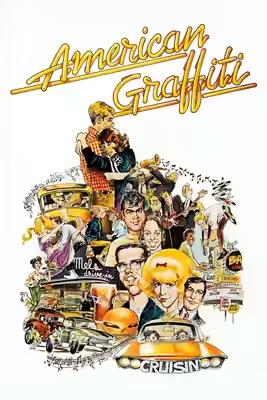
How does The Last Picture Show compare to American Graffiti?
The Last Picture Show is the sadder and more searching of the two, while American Graffiti is funnier and warmer about the same uncertain young people. Bogdanovich treats sexual longing and adult failure with a frankness Lucas avoids in favour of cars, radio and affectionate nostalgia. We think the earlier film is the finer of the two, but the later one is the easier evening.
Is The Last Picture Show based on a true story or a book?
The Last Picture Show is based on Larry McMurtry's novel of the same name, not on a true story, and McMurtry adapted it for the screen with Peter Bogdanovich. The screenplay keeps the book's warmth and candour about people who want affection and mishandle it. Knowing the novel is not necessary; the film stands entirely on its own.
What should I watch after The Last Picture Show?
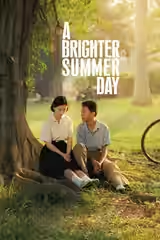
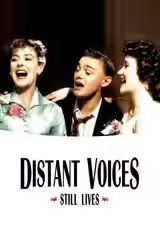
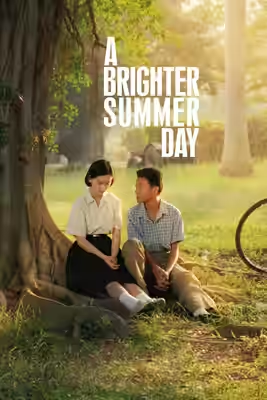
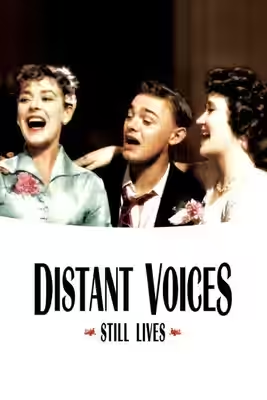
After The Last Picture Show, try American Graffiti (1973, Fi1m 84): Another small-town youth ensemble, with warmer nostalgia and an equally uncertain future. Then A Brighter Summer Day (1991, Fi1m 90): Teenage desire and adult disappointment become more dangerous amid political unease; and Distant Voices, Still Lives (1988, Fi1m 90): Family hurt and shared songs, observed with a similar patience towards troubled adults.

Cast

Awards

BAFTA Film Awards, 1973

Nominated
Best Direction
Nominated
Best Film
Won
Best Actor in a Supporting Role
Won
Best Actress in a Supporting Role

Academy Awards, 1972

Nominated
Best Cinematography
Nominated
Best Director
Nominated
Best Picture
Nominated
Best Writing, Adapted Screenplay
Won
Best Supporting Actor
Won
Best Supporting Actress

Directors Guild of America Award for Outstanding Directing – Feature Film, 1971

Nominated
Directors Guild of America Award for Outstanding Directing – Feature Film

Golden Globes, 1971

Nominated
Best Director
Nominated
Best Motion Picture – Drama
Nominated
Best Supporting Actress – Motion Picture
Nominated
New Star of the Year – Actress
Won
Best Supporting Actor – Motion Picture

National Society of Film Critics Award for Best Supporting Actress, 1971

Won
National Society of Film Critics Award for Best Supporting Actress

If you liked this, try…

  1. American Graffiti (1973, Fi1m 84)Another small-town youth ensemble, with warmer nostalgia and an equally uncertain future.

  2. A Brighter Summer Day (1991, Fi1m 90)Teenage desire and adult disappointment become more dangerous amid political unease.

  3. Distant Voices, Still Lives (1988, Fi1m 90)Family hurt and shared songs, observed with a similar patience towards troubled adults.

  4. The Spirit of the Beehive (1973, Fi1m 87)Cinema offers another isolated community a way to imagine something beyond itself.

  5. Linda Linda Linda (2005) · not reviewed yetTeenage friendship gets a gentler treatment, with music doing the difficult talking.

Free account

Know what to watch tonight

Two lists that know where things are streaming, collections you can share, your own score beside ours, and Discover that remembers what you have seen.

  • Want to see, sorted by what is streaming now
  • Seen, with your score out of ten
  • No adverts, ever