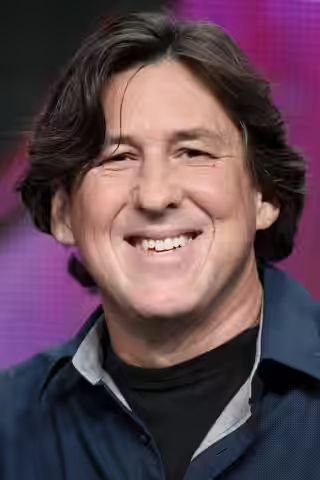
Cameron Crowe makes the effort to sound confident funny and touching. We recommend his generous character writing, with reservations about the wandering stories and the indulgence he grants people who could do with being challenged.
Fi1m perspective
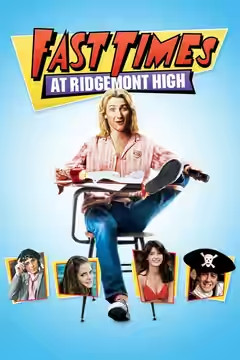
Brad Hamilton wants to look competent at his fast-food jobs in Fast Times at Ridgemont High (1982), and Judge Reinhold makes each embarrassment matter. Cameron Crowe’s screenplay understands how much effort goes into seeming grown-up. Under Amy Heckerling’s direction, the teenagers can be foolish without becoming contemptible, though the comedy sometimes turns cruel. Crowe’s sympathy is already there, as is his difficulty keeping several people’s stories moving together.
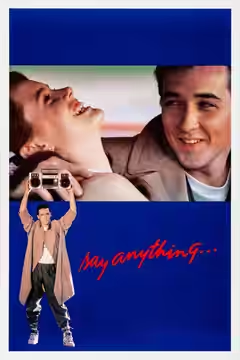
With his directing debut, Say Anything... (1989), Crowe gives more time to one young man’s uncertainty. John Cusack’s Lloyd Dobler is determined to express his love, and nervous about doing it. Crowe takes his feelings seriously while allowing him to look foolish, which gives Cusack something better to play than youthful wisdom. But Ione Skye’s Diane Court gets less to do on the page. She is too often defined by what she means to others, while Lloyd has enough personality to exist beyond the couple.
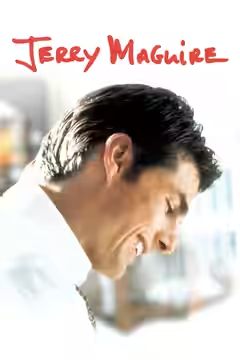
Jerry Maguire (1996) gives that anxious need to be liked to Tom Cruise’s sports agent, whose profession offers little encouragement to behave better. We were unexpectedly moved by Jerry’s early doubts about his job, because Cruise makes trying to change look so awkward. Crowe’s writing is funny about that discomfort, then keeps explaining what the actors have already made clear. Cinematographer Janusz Kamiński gives the romance a warmth that helps the earnestness, while Nancy Wilson’s music sometimes supplies encouragement the performances hardly need. A firmer cut would help; the actors give us good reason to stay.
Almost Famous (2000) brings Crowe’s experience of rock journalism into a story about a teenage reporter touring with a band. It gives his enthusiasm enough weight that we understand why being admitted to the musicians’ company interferes with doing his job. Crowe is particularly good at that wish to belong. The wandering becomes troublesome when another appealing encounter delays the boy’s judgement of the people around him. We recommend it warmly, but would have preferred the musicians to remain answerable for their selfishness a little longer.
Later, Elizabethtown (2005) drew criticism for losing focus. Aloha (2015) prompted complaints about sentimentality and contrivance. Those are familiar risks in writing so reluctant to give up on people, and a reason to favour the earlier work. Start with Say Anything... or Jerry Maguire, and allow a little extra time for Crowe to finish explaining himself.
Biography
Cameron Crowe is an American filmmaker and journalist. He wrote, directed and produced the 1996 film Jerry Maguire.
Crowe began his career as a contributing editor at Rolling Stone magazine. His other films as writer and director include Say Anything... (1989), Singles (1992), Almost Famous (2000), for which he won the Academy Award for Best Original Screenplay, Vanilla Sky (2001) and Elizabethtown (2005).
He has also directed the documentaries Pearl Jam Twenty (2011) and created the television series Roadies (2016).