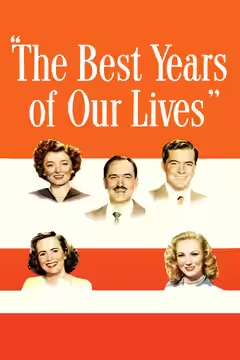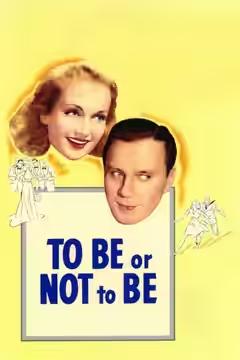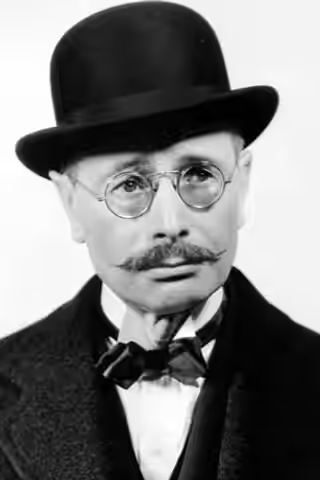
Charles Halton was the small man in rimless glasses who arrived with the papers: the bank official, the county clerk, the attorney nobody wanted to see. He played him in more than 180 films, seldom for more than a scene, and we still bristle when he comes in.
Fi1m perspective
He comes through the door with a form or a ledger and tells somebody the thing they had hoped not to hear. Charles Halton was small, with thinning grey hair and rimless glasses, and for roughly fifteen years Hollywood sent for him whenever a scene needed a stern bureaucrat, a weaselly attorney, a bank official or a neighbour who had been watching from behind the curtain. The man he played was carrying out an unpleasant duty and wanted you to know it was nothing personal. That is a type rather than a character, and he never pretended otherwise.
He had done the long apprenticeship first. He trained at the New York Academy of Dramatic Arts, made his Broadway debut in 1901, toured Europe with Lillian Russell and appeared in something like 35 stage productions over five decades. Films got him only occasionally from 1917. The real screen career began in the mid-1930s, when he was nearly sixty, and that is the point about him: he arrived already looking like the man he would play, and he played him, often uncredited, through a peak in the 1940s, slowing in the 1950s with some television, and finishing with a last film in 1958.
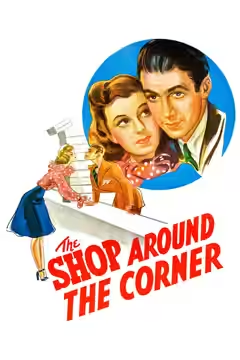
The comedy directors liked him best, because a fussy official is a wall for funny people to throw things at. He was Dr Glass opposite the Marx Brothers in Room Service (1938), a detective in The Shop Around the Corner (1940), a county official in Hitchcock's Mr. & Mrs. Smith (1941), and Producer Dobosh in Lubitsch's To Be or Not to Be (1942). Our review of that film, which we rate highly, does not mention him, and we think that is fair rather than unkind. The producer is there to be exasperated by actors, and he is; the film moves on, which is what he was for. On the dramatic side there is Prew in The Best Years of Our Lives (1946) and the uncredited bank examiner in It's a Wonderful Life (1946), the part people name first when they name him at all.
We will own that he has irritated us, properly, in more films than we could list, and that we count it in his favour. An actor hired to be the obstacle has done his job when you want him gone, and Halton could manage it in two lines. The complaint in the notices was that he was always the same, and he was, with a few kindlier parts against type that he could not have been given often. He belonged to a repertory of men at the edge of the frame; he made eleven films with Irving Bacon and nine with Olin Howland, and the three of them together could furnish a whole small town.
Put on almost any American comedy of the 1940s and wait for the man with the glasses and the papers. He will not stay long. He never did.
Biography
Charles Halton (1876–1959) was an American character actor who appeared in over 180 films. Born in Washington, D.C., he trained at the New York Academy of Dramatic Arts and made his Broadway debut in 1901. He appeared in around 35 stage productions over the following five decades, including a European tour with Lillian Russell in the early 1900s.
From the 1920s onwards Halton was a familiar screen presence, often cast as stern bureaucrats, attorneys or busybodies. Among his notable film roles were Producer Dobosh in Ernst Lubitsch's To Be or Not to Be (1942), Mr Carter in It's a Wonderful Life (1946), and Prew in The Best Years of Our Lives (1946). His final screen credit was in High School Confidential! (1958).