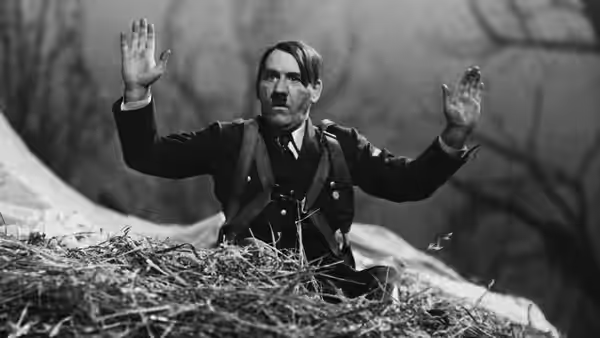
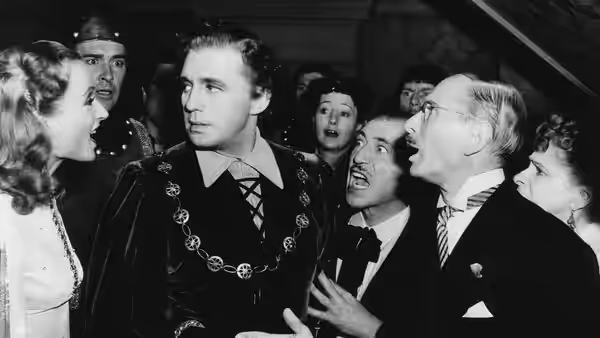
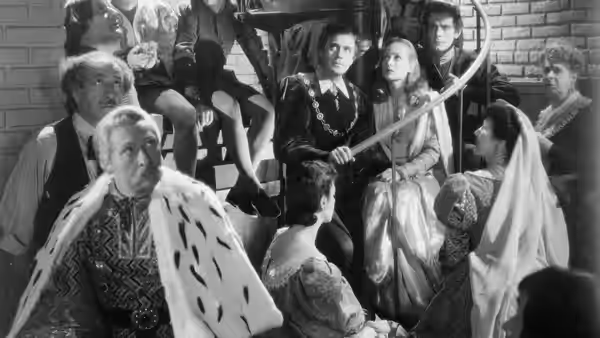
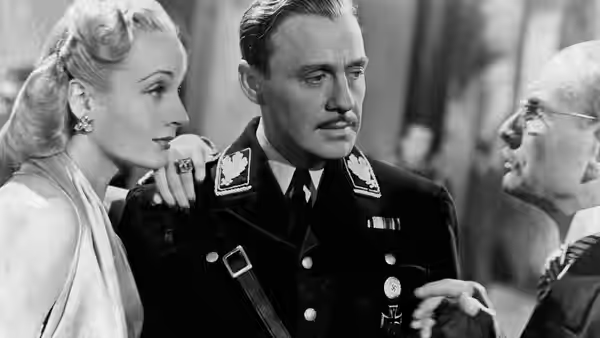
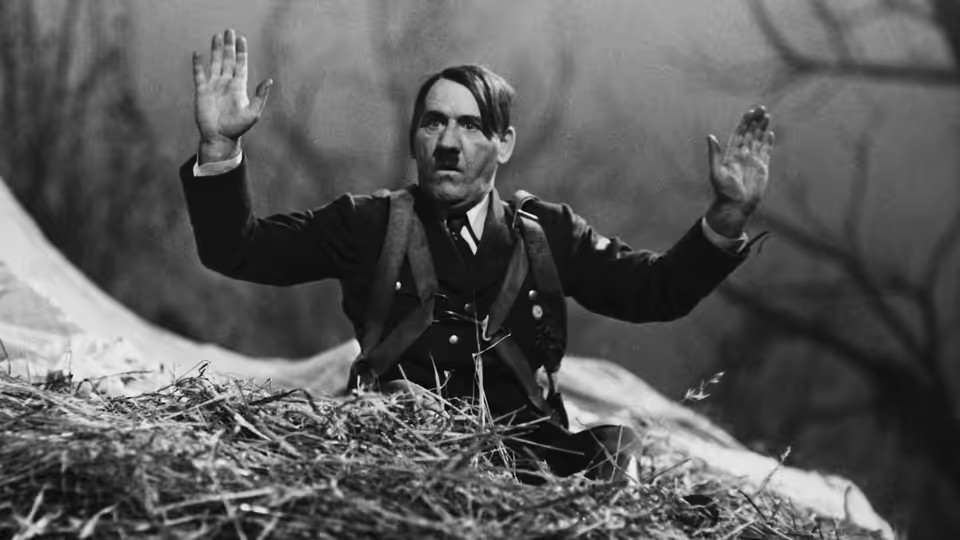
man in military uniform raises both hands while seated in straw
Film review

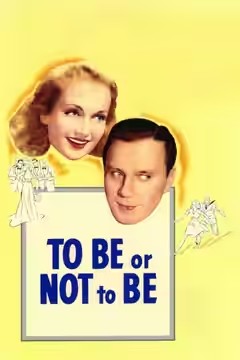
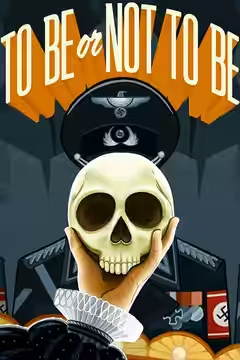
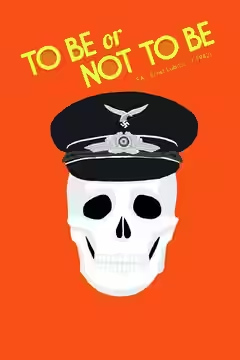
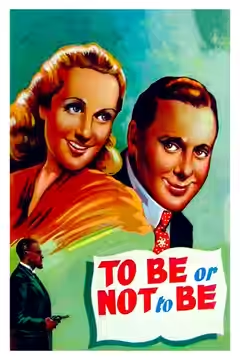
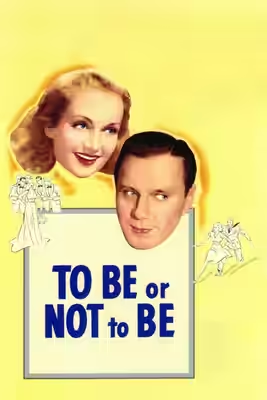
To Be or Not to Be

1942 · Directed by Ernst Lubitsch · 1h 39m · MPA NR

In a sentenceNazis are a serious threat, but try telling an actor that someone else deserves the attention

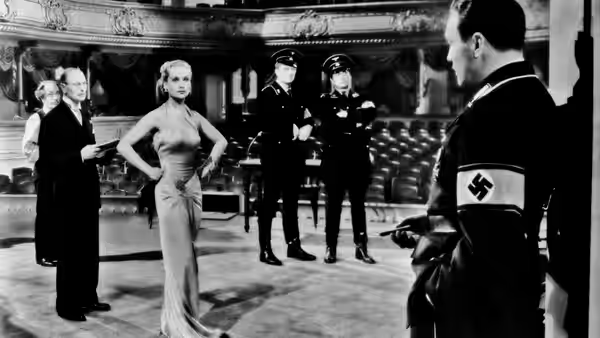
In Warsaw, the prospect of war gives way to Nazi occupation. Joseph Tura (Jack Benny) is an actor whose appetite for attention leaves little space for anyone else. Maria Tura (Carole Lombard) and Lieut. Stanislav Sobinski (Robert Stack) are caught up in the company’s mixture of theatrical ambition, romance and resistance. As the actors confront the Nazis, playing a part becomes a means of opposing men who can enforce their commands. Joseph’s professional vanity has to coexist with the demands of improvisation under threat, while the company’s experience of make-believe takes on a practical purpose.

Fi1m review

Ernst Lubitsch makes theatrical vanity useful in a sharp, unnerving anti-Nazi comedy. Jack Benny and Carole Lombard give it its comic assurance, though the early stretches take longer than they should to find their pace.

To Be or Not to Be is a sharp, unnerving comedy about actors confronting Nazis, with enough faith in a joke to let it sit beside fear. Ernst Lubitsch makes the performers’ vanity central to their usefulness: people who insist on being watched must learn to judge their audience. Released in 1942, the film treats fascism as a present danger, giving the play-acting an urgency that a comfortable historical setting would lack. The first half is uneven, but we recommend it with that reservation.

Edwin Justus Mayer’s screenplay, from a story by Melchior Lengyel, gives Joseph Tura the sort of self-regard that can make a colleague exhausting and an audience grateful. Jack Benny makes him funny without asking us to excuse him as a misunderstood talent. The pleasure is in the misplaced priorities, the sense that professional pride can survive circumstances which ought to have made it irrelevant. When the comedy demands more urgent improvisation, that same hunger to perform keeps the character recognisable.

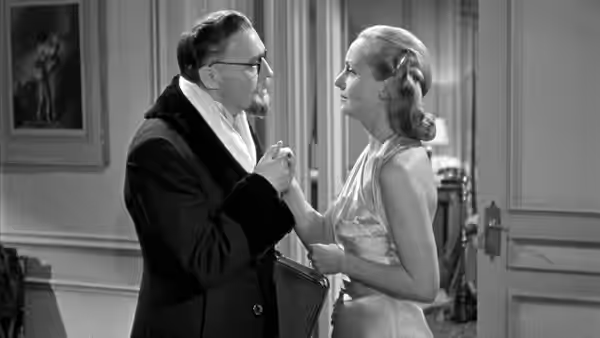
Carole Lombard is the necessary counterweight to all that male self-regard. As Maria Tura, she gives the romantic comedy enough confidence to belong beside the political mockery, rather than looking like something included to soften it. Her timing makes an exchange feel like a contest whose outcome she has already considered. The film needs that assurance, since a faltering performance here would make the changes between sexual comedy and danger look much clumsier.

The clearest way to appreciate Rudolph Maté’s cinematography and Vincent Korda’s production design is to watch the doorways. These are working parts of a joke, and the clarity of the staging lets a small delay become an event. Ernst Lubitsch understands the anticipation of an entrance and the awkwardness of waiting for somebody to leave. We always have something specific to watch, even when the funniest thing happening is a pause.

Dorothy Spencer’s editing is crucial to that timing, allowing the joke to register before the next exchange starts. The cuts need not announce their cleverness when a slight delay can do so much. Werner R. Heymann’s music supports that movement without becoming the thing we listen for. What stays with us is the nervous interval between a confident line and the response it receives, particularly when confidence is all the speaker has available.

Edwin Justus Mayer’s script takes time arranging its mixture of romance and theatre, and some of the early business feels more like preparation than comedy. We can appreciate why the pieces are needed without finding each one equally funny. Once the performances themselves carry the danger, Ernst Lubitsch has less explaining to do and the jokes become more pointed. At 99 minutes, this is no endurance test, but the unevenness is noticeable.

For a war comedy, it puts unusual weight on the small humiliations people inflict in conversation. Its Nazis can be ridiculous without becoming harmless, although the attention to their social gracelessness occasionally makes the ridicule feel too comfortable. We found the doorway pauses surprisingly tense: the delay gives us time to fear discovery as well as anticipate the joke. Watch it when you can pay attention to the pauses as well as the punchlines.

Critical consensus AI synthesised

85
Positive
6
Mixed
0
Negative
0

All six reviews are positive, with praise centring on Lubitsch’s handling of theatrical farce and the daring of his anti-Nazi satire. Most critics find that the comedy retains a sense of danger while making authority look ridiculous. Jack Benny and Carole Lombard draw particular praise for their comic timing, with Benny’s self-regard becoming a source of desperate improvisation. Role-playing, deception and precisely timed gags are central to the reviews’ account of how the film works.

The spread is narrow, and reservations concern emphasis and pacing rather than the film’s premise. Slant Magazine finds the first half uneven but praises the second half’s combination of social observation and farce. Time Out sees the satire as targeting Nazi bad manners more than their broader nastiness, while The New Yorker stresses the terror beneath the antics and the poignancy of the Jewish subplot. There is no substantial dissent among these reviews.

The New Yorker
24 June 2022 · Richard Brody
90*

The critic praises the film's uninhibited antic ferocity as an anti-Nazi comedy that evokes the terror of impending war. He singles out its inventive audacity, driven by a high purpose that mixes politics with sex and features a poignant Jewish subplot.

Read the full review →
Time Out
9 April 2015 · RM
90*

The critic praises this anti-Nazi satire set in occupied Warsaw as one of the finest comedies from Paramount, highlighting the hilarious performances by Jack Benny and Carole Lombard along with Lubitsch's witty direction focused on role-playing and precise gag timing around doorways. It notes the film's satire targets Nazi bad manners more than general nastiness, dismissing contemporary claims of bad taste.

Read the full review →
Slant Magazine
23 February 2005 · Ed Gonzalez
85*

The critic finds the film's wit and political satire ultimately triumphant despite an uneven first half and its once-controversial subject matter. He singles out the second half's blend of social observation and theatrical farce, along with Lubitsch's signature touch in using performance and artifice to subvert authority.

Read the full review →
The AV Club
4 September 2013 · B+ · Mike D'Angelo
83

The review praises the film as a classic that balances outrageous comedy with genuine gravity in its portrayal of actors resisting the Nazis. It highlights Jack Benny's self-regarding schlemiel persona transformed into desperate improvisation and Carole Lombard's deft comedic timing.

Read the full review →
IndieWire
28 October 2015 · Vikram Murthi
80*

This retrospective piece celebrates the film as a bold wartime comedy that uses theatricality to mock and resist fascism. It emphasizes Lubitsch's ability to blend humor with serious political commentary in a way that has grown in appreciation over time.

Read the full review →
Los Angeles Times
22 July 2010 · Kenneth Turan
80*

The critic calls it one of the funniest comedies ever to come out of Hollywood and one of the nerviest and most controversial. He highlights its daring blend of comedy about Nazis during World War II and the performances of Jack Benny and Carole Lombard.

Read the full review →

Straight answers AI written, from our review

Is To Be or Not to Be worth watching?
To Be or Not to Be is worth watching for anyone who wants a comedy that lets a joke sit beside real fear, and we scored it 87. Jack Benny and Carole Lombard give it its assurance, and the doorway pauses are as tense as they are funny. The first half is uneven, and the early business feels more like preparation than comedy.
How long is To Be or Not to Be, and what is it rated?
To Be or Not to Be runs 1h 39m and is rated NR by the MPA in the US. It is a comedy and war film.
Where can I watch To Be or Not to Be in the US?
To Be or Not to Be is streaming on HBO Max, Amazon Prime Video and The Roku Channel in the US, and it is also available to rent from Amazon Prime Video from $5.99. It leaves HBO Max on 30 September. Availability is checked daily; the links above go straight to each service.
How violent or frightening is To Be or Not to Be, and is it suitable for children?
To Be or Not to Be carries no UK certificate and is not rated in the US, and it is a comedy rather than a violent film. Its Nazis are made ridiculous without becoming harmless, so the threat of discovery is felt in the pauses rather than shown on screen. Older children who can follow the wartime setting should manage it; the danger is in the waiting, not in anything graphic.
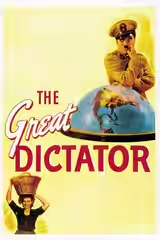
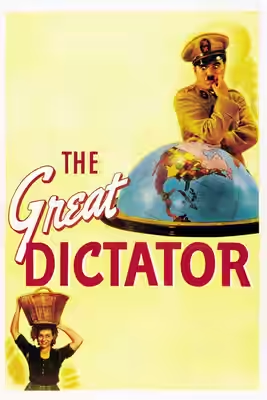
How does To Be or Not to Be compare to The Great Dictator?
To Be or Not to Be is the tighter and more controlled of the two, while The Great Dictator is the angrier and broader. Chaplin's film runs 125 minutes and gives its lesser jokes more room than they need; Lubitsch's is 99 minutes and depends on timing and staging. Choose Chaplin for the direct attack, Lubitsch for the sharper comedy.
What should I watch after To Be or Not to Be?
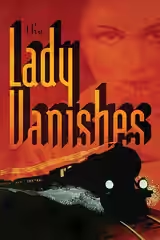
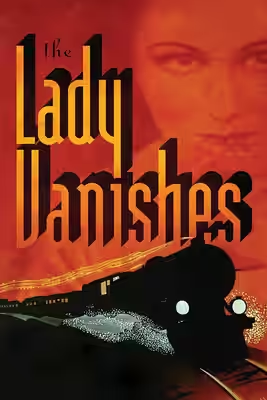
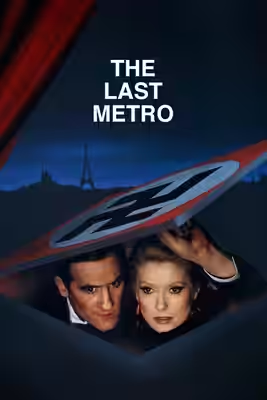
After To Be or Not to Be, try The Great Dictator (1940, Fi1m 80): Another wartime comedy willing to make fascist vanity look both ridiculous and dangerous. Then The Lady Vanishes (1938, Fi1m 88): Romantic friction and precise comic timing keep a political thriller agreeably off balance; and The Last Metro (1980, Fi1m 75): A theatre under occupation, where private loyalties make every public performance more difficult.

Cast

Awards

Academy Awards, 1943

Nominated
Best Original Dramatic or Comedy Score

If you liked this, try…

  1. The Great Dictator (1940, Fi1m 80)Another wartime comedy willing to make fascist vanity look both ridiculous and dangerous.

  2. The Lady Vanishes (1938, Fi1m 88)Romantic friction and precise comic timing keep a political thriller agreeably off balance.

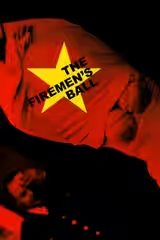
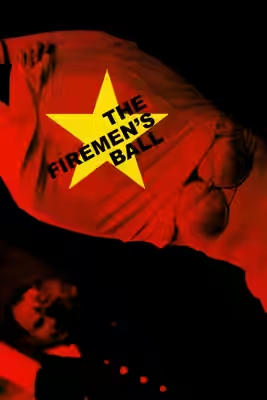
  3. The Firemen’s Ball (1967) · not reviewed yetPetty authority gets its chance to organise an evening, and fails comprehensively.

  4. The Last Metro (1980, Fi1m 75)A theatre under occupation, where private loyalties make every public performance more difficult.

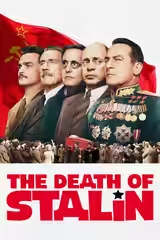
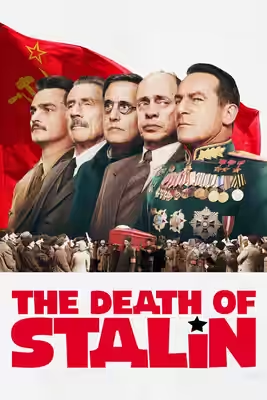
  5. The Death of Stalin (2017, Fi1m 83)Political terror and personal ambition make even an ordinary conversation a dangerous undertaking.

Free account

Know what to watch tonight

Two lists that know where things are streaming, collections you can share, your own score beside ours, and Discover that remembers what you have seen.

  • Want to see, sorted by what is streaming now
  • Seen, with your score out of ten
  • No adverts, ever