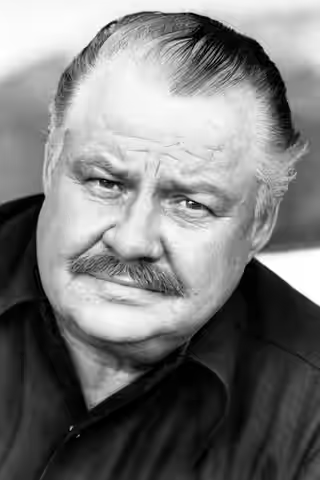
A big man with a bigger voice, Clifton James spent half a century playing Southern lawmen and officials who believed they were in charge. The bluster made a good joke in 1973; his better work came when John Sayles asked him to put it away.
Fi1m perspective
He leans out of the car window, hat pushed back, stomach first, and tells everyone within a hundred yards exactly what is going to happen next. It never does. Clifton James built a career on that man: the Southern sheriff or small-town official whose authority is mostly volume, who chews tobacco through his own sentences and expects the world to wait until he has finished. James had watched the type closely, and he put it plainly: 'I noticed they love their stomachs. They stick them out, they're really proud of their stomachs.' He stuck his out too, and it did half the acting.
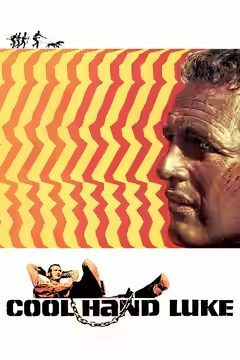
He had been working since the mid-1950s, on stage and in television guest parts and small film roles, and by Cool Hand Luke (1967), where he plays Carr, the prison floorwalker, the type was already set. What changed things was Bond. Guy Hamilton cast him as Sheriff J.W. Pepper, a Louisiana lawman who gets in the way of Roger Moore in Live and Let Die (1973), and the character went over well enough that Hamilton brought him back the following year.
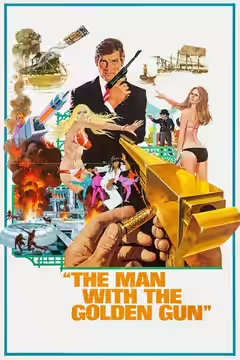
The second time is the problem. In The Man with the Golden Gun (1974) Pepper is on holiday in Thailand, ends up in the passenger seat for the car chase and shouts, and we said when we reviewed it that he gets more screen time than the villain's mistress. That is a failing of the script, and it is not entirely a compliment to James, who plays every scene at the pitch he played the first film. By the second minute of shouting we had stopped listening to him and started waiting for Christopher Lee to come back, and the film should have done the same. The usual complaint against James is that he was typecast as the Southern hick or the crooked official, and Pepper is the broadest version of it, a caricature of rural law enforcement with a drawl you could hear from the next county. The complaint is fair.
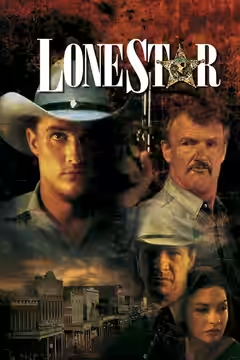
The better work is quieter and most of it is with John Sayles, who used him three times. In Eight Men Out (1988) he is Charles Comiskey, the owner of the Chicago White Sox, and the bluster is still there but it has money behind it and it is no longer a joke. In Lone Star (1996) he is Hollis Pogue, one face among many in a film we rated highly for the way its ensemble carries the weight of a Texas border town's divided history; he is part of that weight rather than a break from it. Sayles understood that the loud man is more interesting when he has something to lose. If you know James only from the Bond films, start with Lone Star. The sheriff is still in there; he has simply learned to keep his voice down.
Biography
Clifton James was an American character actor of film, theatre and television. Born George Clifton James in Spokane, Washington, he served in the US Army during the Second World War and later trained at the Actors Studio.
He appeared in numerous productions over six decades, including as Carr in Cool Hand Luke (1967) and as the Texas sheriff J.W. Pepper in the James Bond films Live and Let Die (1973) and The Man with the Golden Gun (1974). James worked repeatedly with writer-director John Sayles, with credits including Eight Men Out (1988), Lone Star (1996) as Mayor Hollis Pogue, and Sunshine State (2002). He died in 2017.