Derek Cianfrance films two people close enough to catch every flinch, and when he keeps to that scale, as in Blue Valentine, the result is painful and persuasive. Widen the frame and the misfortune piles up faster than the feeling.
Fi1m perspective
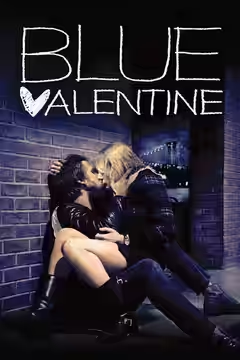
The best shot Derek Cianfrance has put on screen has no cut in it. At the start of The Place Beyond the Pines (2013), Sean Bobbitt's camera picks up Ryan Gosling flicking a knife in a caravan, follows him through a fairground crowd, into a tent and up onto a motorcycle inside a steel cage, and stays with him as he begins to circle the walls. We sat forward, and for an hour the film kept the promise. That is the Cianfrance method in miniature: get close to one body, keep rolling, wait for the performing to stop. He has said he does not ask actors to act but to behave, and in Blue Valentine (2010) Gosling and Michelle Williams behave so convincingly, in courtship and in resentment, that we want to stay with them even when they become hard to like.
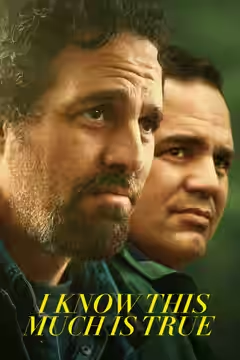
He made his first feature, Brother Tied, in 1998 at twenty-three, then spent eleven years and sixty-six drafts getting Blue Valentine to the screen. It is still his most complete film: two people, a house and a motel, its only real fault a switching between past and present that grows predictable. The Place Beyond the Pines widened the scope to fathers and sons across two generations of Schenectady, and The Light Between Oceans (2016) took on parenthood and loss. Then came I Know This Much Is True (2020), six hours of television with Mark Ruffalo playing twin brothers, and a story credit the same year on Darius Marder's Sound of Metal.
The pattern is hard to miss. Each time Cianfrance adds people, years or hours, the work gets weaker at the same rate. Pines has Gosling's hour and then a larger plan in which characters say what the film is about and coincidence does the work that plotting did earlier; Ron Patane and Jim Helton cut the fairground tight and the last act loose, and somewhere past the two-hour mark we checked how much remained. I Know This Much Is True is acted as well as television gets and lays grief on grief, the severed hand, the dead mother, the divorce, the locked hospital, until by the fourth hour we were bracing rather than feeling. Each blow is written with care. It is the queue that does the damage. Five editors could not give six hours a shape that four might have found on their own. Sound of Metal is the strongest thing he has had a hand in since Blue Valentine, and it belongs to Marder, his co-writer on Pines, who took their shared story and kept it to one idea, Riz Ahmed's ears, for as long as he could bear to.
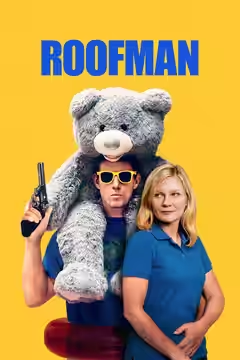
Roofman (2025) is a change of tone. He does not need one. What he needs is what he had in 2010: two actors, one room and the patience to let them behave. He does that better than anything else he attempts, and he seems least inclined to trust it.
Biography
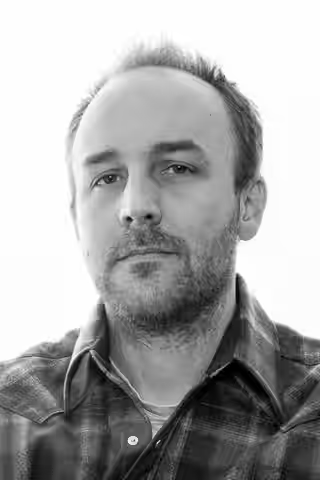
Derek Cianfrance is an American film director and screenwriter. Born on 23 January 1974 in Lakewood, Colorado, he studied film production at the University of Colorado Boulder under avant-garde filmmakers Stan Brakhage and Phil Solomon. He made his first feature, Brother Tied, in 1998.
Cianfrance wrote and directed Blue Valentine (2010). He later directed The Place Beyond the Pines (2013) and The Light Between Oceans (2016), and directed the HBO miniseries I Know This Much Is True (2020). He contributed to the story of Sound of Metal (2020), for which he received an Academy Award nomination for Best Original Screenplay.
He is married to filmmaker Shannon Plumb.