Dickie Moore was a child who could stand in a frame beside Dietrich or Cooper and simply be a boy, without asking for the audience's love. The gift left him as he grew, and he was honest enough to say so.
Fi1m perspective
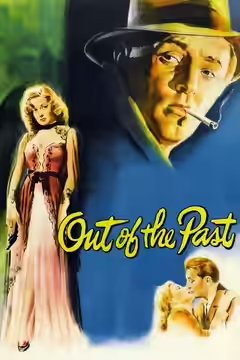
In Out of the Past (1947) everyone talks too much and most of them are lying. The exception is the Kid, Robert Mitchum's deaf young assistant, who says nothing and misses nothing. Moore was twenty-two by then and close to the end of his time in front of a camera, and he plays the part with no pleading in it at all. In a film whose plot we struggled to keep straight, he was the one person we trusted, and that is because he does nothing to ask for it.
Plainness had been his trade from the start. He was an infant in The Beloved Rogue (1927) and made over a hundred films as a child and youth, most of them as the innocent or cherubic boy set down beside a star: Marlene Dietrich's son in Josef von Sternberg's Blonde Venus (1932), the boy cured of rabies in William Dieterle's The Story of Louis Pasteur (1936), Gary Cooper's younger brother George in Howard Hawks's Sergeant York (1941). He was Oliver Twist in the 1933 version, spent two years in the Our Gang shorts, and gave Shirley Temple her first screen kiss in Miss Annie Rooney (1942). Reviewers at the time kept reaching for the same words, natural and unforced, and they were right. Child actors of the period tended to perform childhood at the audience. Moore mostly stood there and was a child.
The trouble came with growing. Teenage and adult parts were harder to find and harder to play, and he drifted into B-pictures like Dangerous Years (1947). He said later, "Every time I got in front of the cameras, I felt like it was an x-ray machine," and that he was embarrassed by what it showed. The self-consciousness he describes is exactly what had been missing from his work as a boy, and it is a rare actor who can name the moment the gift went. His last film was Eight Iron Men (1952). He wrote a book about child actors in 1984, which suggests he had thought about the subject longer than most of them get the chance to.
Sergeant York, which he called one of his favourites, is the best place to see the earlier Moore, in the film's warm and honest first hour, before Hawks lets it turn into a sermon. We like that film with reservations, and George York is not the reason. Out of the Past is the better performance and by some distance the better film. Watch it for Mitchum and Greer, and then notice who is the only one on screen keeping his mouth shut.
Biography
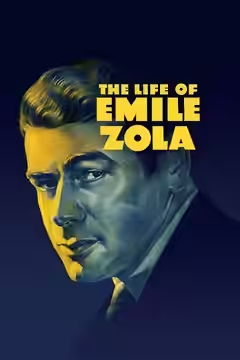
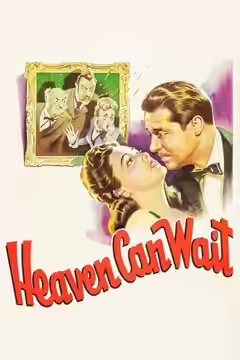
Dickie Moore was an American actor, born John Richard Moore Jr. on 12 September 1925 in Los Angeles, California. He made his screen debut as an infant in the 1927 silent film The Beloved Rogue and became a prolific child performer, appearing in over 100 films by the early 1950s. Notable early roles included Marlene Dietrich's son in Blonde Venus (1932), the title character in Oliver Twist (1933), and parts in The Story of Louis Pasteur (1936), The Life of Emile Zola (1937), Sergeant York (1941) and Heaven Can Wait (1943).
Moore is also known for giving Shirley Temple her first romantic on-screen kiss in Miss Annie Rooney (1942) and for playing The Kid, Robert Mitchum's deaf assistant, in Out of the Past (1947). He served in the US Army during the Second World War. His acting career declined after his teenage years, with his final film role in Eight Iron Men (1952). He later worked in publicity, wrote a book on child actors and was married to actress Jane Powell from 1988 until his death on 7 September 2015 in Wilton, Connecticut.