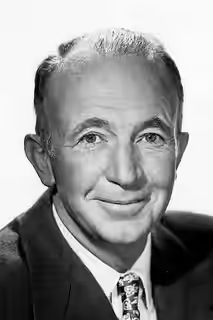
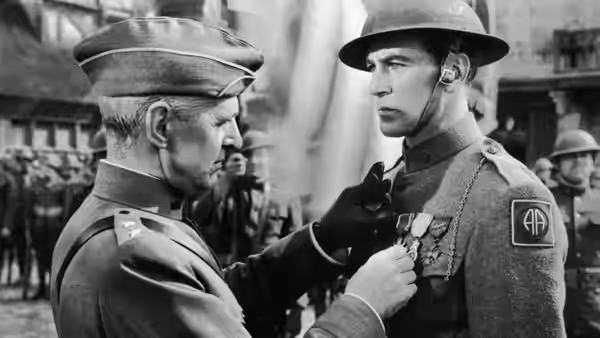
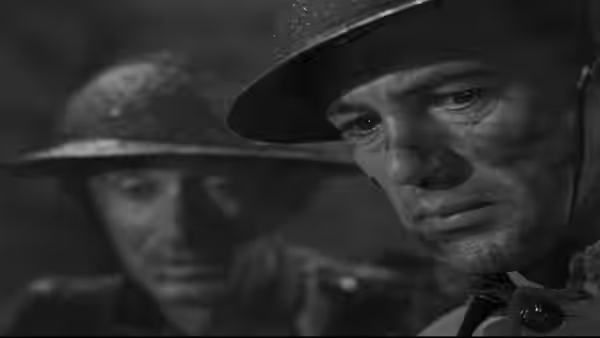
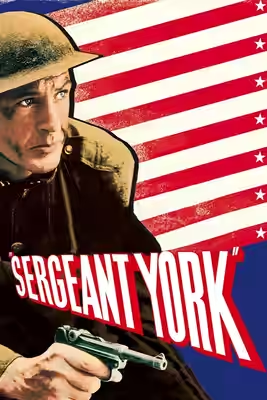
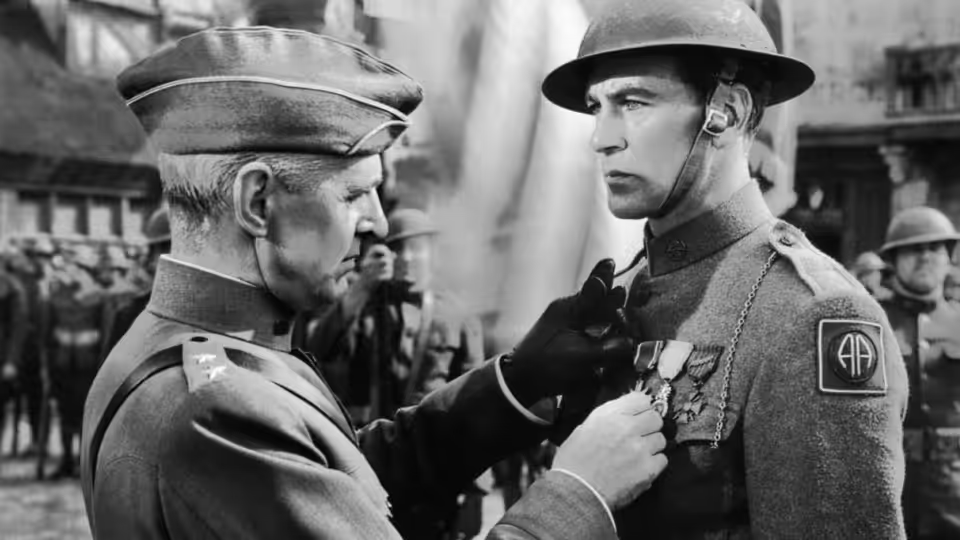
Alvin York (Gary Cooper) receiving a medal pinned on his chest by an officer
Film review

Sergeant York

1941 · Directed by Howard Hawks · 2h 14m · MPA NR

In a sentenceGary Cooper is a better hell-raiser than saint, and the film knows it for exactly one hour

Tennessee, before America has joined the Great War. In the Valley of the Three Forks of the Wolf, Alvin C. York (Gary Cooper) drinks, brawls and shoots his initials into a tree with his friends Ike Botkin (Ward Bond) and Buck Lipscomb (Noah Beery Jr.), while his mother (Margaret Wycherly) keeps his supper warm and Pastor Rosier Pile (Walter Brennan) prays for him. He sees Gracie Williams (Joan Leslie) and decides he needs bottomland to be worth her. He works night and day to raise the price and puts his rifle, the best in the valley, to work in a shooting match for the rest. When the land is sold from under him, he sets off to settle it, and something on the road changes his mind.

Plays from YouTube when you press play; nothing loads from them until then.

Fi1m review

Howard Hawks’s biography of the Tennessee farm boy who became a hero of the Great War is warm, handsome and honest for its first hour, and a sermon for most of its second. Gary Cooper and Walter Brennan keep it watchable throughout.

Howard Hawks tells the story of Alvin C. York, the Tennessee mountaineer who asked to be excused from the Great War on religious grounds and came home from it the best-known American soldier of the war. York himself is among the credited writers, and the film treats his life the way a Sunday-school teacher treats a parable: here is a wild boy, here is how he was saved, here is what the saving was for. It opened in the summer of 1941, months before the United States entered the war, and it is not shy about which side of that argument it is on. For an hour it is a warm, funny, plainly acted film about a poor valley. Then it puts on a uniform.

Cooper plays York as a long, slow, dangerous boy who drinks and brawls with Ike Botkin (Ward Bond) and Buck Lipscomb (Noah Beery Jr.) and rides home at dawn to a mother who has kept his supper warm. Margaret Wycherly plays Mother York with a handful of lines, a woman who says little and misses nothing. Walter Brennan’s Pastor Rosier Pile sells Alvin his goods by day and preaches at him by night, and Brennan does both with the same amused patience, as if he had read the last page already. Joan Leslie’s Gracie is the reason Alvin wants the bottomland, and Leslie is quick and bright enough to make a person out of a part written as a prize.

We were moved more than we expected, and it was the land that did it. Alvin arrives with the money he has worked himself to the bone for and is told it has gone to someone else. Cooper’s face does not change; he asks to have it said again. He does not shout and he does not look angry, he simply stands in the doorway being told that all of it was for nothing, and the stillness is worse than any speech would have been.

Sol Polito shoots the valley in soft greys, with lamplight in the cabins and a painted haze over the hills, so that nothing looks quite real and it hardly matters, because the people do. The church is where Hawks lets his crowd loose, and the congregation singing Alvin towards the front pew is the film’s best set piece. Max Steiner’s score works the hymn tunes hard. He has a way of arriving at the feeling a beat before Cooper does, and we would rather Cooper got there first.

Then the draft. Alvin will not kill, the Army will not excuse him, and Major Buxton (Stanley Ridges) sets out to argue him round with a history of the United States and some leave to think it over. Four men are credited with the screenplay, John Huston, Harry Chandlee, Abem Finkel and Howard Koch, and this is the stretch where you can count them. Every scene is an argument with two sides and a foregone winner. George Tobias’s “Pusher” Ross, a New Yorker who has never seen a tree that was not in a park, is the one piece of barracks comedy Hawks allows himself, and every scene he is in breathes.

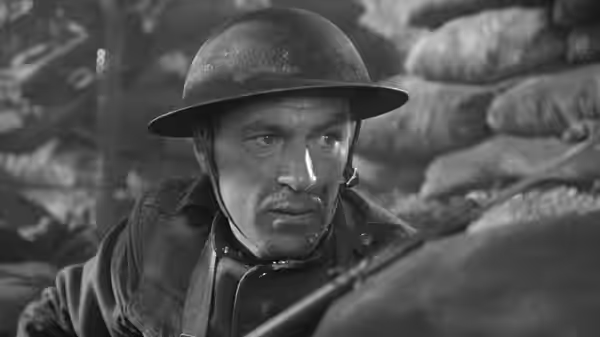
France is well made and oddly calm. Hawks and his editor William Holmes cut the attack cleanly, the mud is mud and the guns are loud, but the film never once lets us think York might die, and so the one sequence that ought to be frightening is not. His marksmanship, established at length in Tennessee, pays off in a way we will not describe. The last twenty minutes are ceremony, speeches and handshakes and men in good suits, and we watched them with the restlessness of people who have stopped expecting anything to happen.

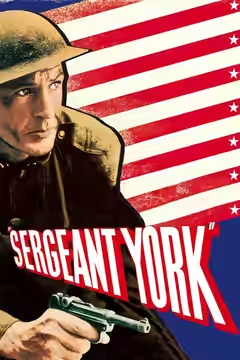
Hawks had made His Girl Friday the year before, with everybody talking over everybody at speed and nobody making a speech. Here everyone finishes a sentence and then starts another. It is his most respectable film, and his stiffest. One tagline promised missiles, jets and tanks and assured us that it was still “the guy with guts and a gun” who wins the war; that is more or less the film’s case, and it makes it with more grace than the poster did. See it for the valley, for Brennan, and for Cooper in that doorway. It runs 134 minutes, and the ones that count are all in the first sixty.
Critical consensus AI synthesised

62
Positive
3
Mixed
1
Negative
2

Most critics like Sergeant York, and the praise gathers around Gary Cooper. Reviewers old and new agree he is well cast as the gaunt Tennessee mountaineer who trades his wildness for religion and then, with reluctance, for war. The reviews also warm to the film’s picture of Southern backwoods life, which one calls the best the screen had yet managed, and Walter Brennan’s pastor draws a good word. Even the sceptics grant the battle scenes a feel for the pain and squalor of the trenches.

The spread is wide, and it splits by date. The 1941 notices call it honest, dignified biography, with more care for character than incident. The later writers are far cooler: Time Out finds it Hawks’s most conventional major work, picturesque and poorly paced, and Slant calls it a dated propaganda piece, rigid where the director is usually loose. Empire sits between, admiring the camaraderie among men and noting that Hawks keeps the folksiness out of the war scenes.

Variety
31 December 1940 · Variety Staff
90*

The film is biography at its best, with more attention paid to character and background than to incident. Gary Cooper is perfectly cast as the backwoodsman who masters his wildness, and Walter Brennan is splendid as the village pastor and storekeeper.

Read the full review →
The New Yorker
28 June 1941 · John C. Mosher
80*

The film offers an enriched picture of Alvin York and his world, with the best screen depiction yet of Southern backlands life and its poor, humorous struggles. Cooper overcomes any resemblance issues to portray a starved, tough, competent figure with the right drawl.

Read the full review →
The New York Times
3 July 1941
75*

It is a simple and dignified screen biography of the Tennessee mountaineer who set aside religious scruples for the greater good, an honest saga of a plain American full of humility and pride. Gary Cooper holds the picture together magnificently as the gaunt, clumsy yokel.

Read the full review →
Empire
1 January 2000 · David Parkinson
65*

This is a classic Hawksian biopic of a reluctant hero whose religious conversion leads him to fight in World War I. The director excels at depicting camaraderie among dedicated men and avoids overly folksy tones in the war sequences.

Read the full review →
Slant Magazine
10 November 2006 · Fernando F. Croce
30*

The critic views the film as a dated propagandistic morality tale that is rigid where Hawks is usually loose, though it includes some splendid moments such as a convincing religious enlightenment scene.

Read the full review →
Time Out
4 March 2016 · GA
30*

The film is simultaneously Hawks' most respectable and most artistically conventional major work, with Gary Cooper engaging as the pacifist-turned-hero but the story lacking subversive wit and depth. Battle scenes stand out for their feel for the pain and squalor of war, though the film is often picturesque and poorly paced overall.

Read the full review →

Straight answers AI written, from our review

Is Sergeant York worth watching?
Sergeant York is worth watching for its first hour, a warm, funny and plainly acted portrait of a poor Tennessee valley, and we scored it 66. Gary Cooper and Walter Brennan keep it watchable throughout, but once Alvin York is drafted the film becomes a sermon, and the last twenty minutes are speeches and handshakes. See it for the valley and for Cooper.
How long is Sergeant York, and what is it rated?
Sergeant York runs 2h 14m and is rated NR by the MPA in the US. It is a war and drama film.
Where can I watch Sergeant York in the US?
Sergeant York is streaming on Tubi in the US. Availability is checked daily; the links above go straight to each service.
How violent or frightening is Sergeant York, and is it suitable for children?
Sergeant York is a mild war film with no UK certificate on record, and its violence is restrained. The Tennessee scenes involve drinking and brawling; the French battle is loud and muddy but cut cleanly, and the film never lets you think York might die, so it is not frightening. Older children should manage it, though the long stretches of argument may bore them.
How does Sergeant York compare to Paths of Glory?
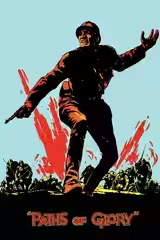
Sergeant York believes in the war it depicts, while Paths of Glory doubts everything this film holds dear, and the Kubrick is the better film. Hawks offers warmth, comedy and a fine Gary Cooper before turning respectable and stiff; Kubrick offers fury and exactness, with Kirk Douglas convincing under pressure. Choose Hawks for the valley and Kubrick for the anger.
What should I watch after Sergeant York?
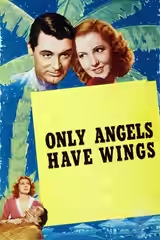
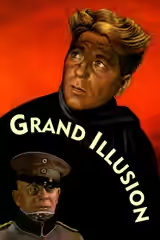
After Sergeant York, try Only Angels Have Wings (1939, Fi1m 88): Hawks loose rather than respectable: men doing a dangerous job and not making speeches about it. Then Paths of Glory (1957, Fi1m 93): The other Great War film about a man under orders, and it doubts everything this one believes; and La Grande Illusion (1937, Fi1m 92): Renoir’s prisoners of the same war, decent to one another across the wire.

Cast

Awards

Academy Awards, 1942

Nominated
Best Art Direction, Black and White
Nominated
Best Cinematography, Black-and-White
Nominated
Best Director
Nominated
Best Original Dramatic Score
Nominated
Best Picture
Nominated
Best Sound
Nominated
Best Supporting Actor
Nominated
Best Supporting Actress
Nominated
Best Writing, Original Screenplay
Won
Best Actor
Won
Best Film Editing

If you liked this, try…

  1. Only Angels Have Wings (1939, Fi1m 88)Hawks loose rather than respectable: men doing a dangerous job and not making speeches about it.

  2. Paths of Glory (1957, Fi1m 93)The other Great War film about a man under orders, and it doubts everything this one believes.

  3. La Grande Illusion (1937, Fi1m 92)Renoir’s prisoners of the same war, decent to one another across the wire.

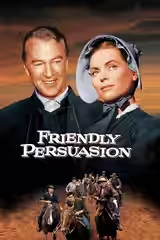
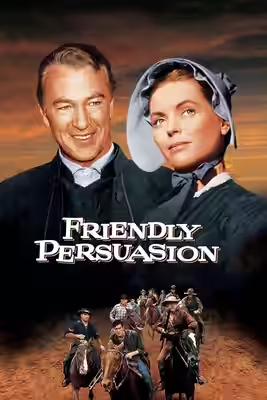
  4. Friendly Persuasion (1956, Fi1m 72)Cooper again, a Quaker father, and a war his conscience will not let him join.

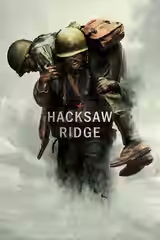
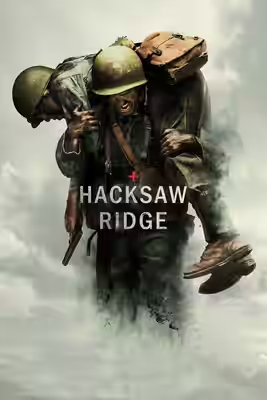
  5. Hacksaw Ridge (2016, Fi1m 77)A conscientious objector at the front, told with far more blood and rather less doubt.

Free account

Know what to watch tonight

Two lists that know where things are streaming, collections you can share, your own score beside ours, and Discover that remembers what you have seen.

  • Want to see, sorted by what is streaming now
  • Seen, with your score out of ten
  • No adverts, ever