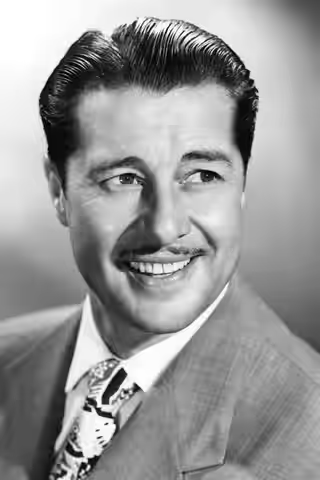
Don Ameche spent his first career in films being agreeable and his second being anything but, and the second suits him. As Mortimer Duke in Trading Places (1983) the radio baritone that once sold romance sells contempt, briskly, and the film is funnier for it.
Fi1m perspective
Watch Mortimer Duke wait. In Trading Places (1983) Don Ameche plays one of the two Duke brothers as a man for whom every other person in the room is a delay, and he gives Mortimer a short, tight impatience that makes Ralph Bellamy's geniality beside him look like a slower strain of the same disease. The pair treat a man's ruin as a bet to be settled before lunch. We laughed at them, and then felt slightly uneasy about how easily we had, because Ameche never plays Mortimer as a monster. He plays him as a man who is late for something.
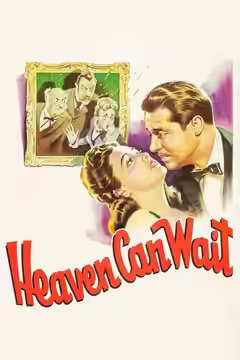
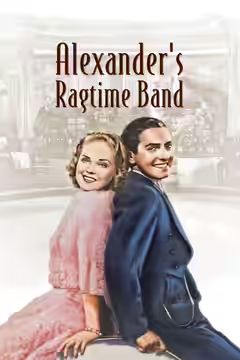
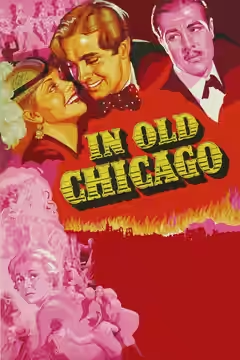
That was a return. Ameche came up through college theatre, repertory and vaudeville and became a radio star in Chicago from 1930, and it was the voice, a rich baritone, that got him a 20th Century Fox contract in 1935. Fox used him through the 1940s as a light romantic lead, often the likeable, well-bred sophisticate with a pencil-thin moustache, and put him opposite Alice Faye five times. In In Old Chicago (1938) he is Jack O'Leary, the honest lawyer of the family, earnest and clean-shaven, and the part gives him almost nothing to do except be decent while Tyrone Power gets the grin and Alice Brady gets the film. A year later he was Alexander Graham Bell, and for a while Americans called the telephone an ameche. Heaven Can Wait (1943), as Henry Van Cleve, is the one people reach for when they want his best comic lead, and we have not reviewed it, so we will leave it there.
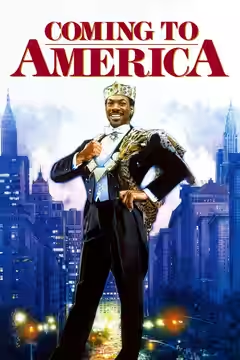
Then film lost him for a long stretch. He spent the 1950s, 60s and 70s on Broadway, television and radio, and did not come back to the screen until Trading Places. What followed was a proper late run: Art Selwyn in Cocoon (1985), a retirement-community resident played with more physical energy than the part strictly required; Gino in Things Change (1988), where the comic timing the radio years built is the whole performance; Bellamy again in Coming to America. He kept working until his death in 1993.
The pattern across our two reviews is plain. Young, he was cast for decency, and decency is hard to make interesting when the script has already decided the charming brother gets the good lines. Old, he was cast for authority, and authority on screen is far more fun when it is being unkind or in a hurry. The voice was always made for the second job. What the late films understood, and In Old Chicago did not, is that Ameche lands a line by timing rather than by face, which is what radio teaches and what an honest lawyer in a fire picture is never allowed to use.
Start with Trading Places and stay for the brothers' scenes together, where two old men make cruelty sound like good manners. The young lead is there for the curious. He is perfectly nice, and that is the problem.
Biography
Don Ameche was an American actor. Born Dominic Felix Amici on 31 May 1908 in Kenosha, Wisconsin, he worked in vaudeville, repertory theatre and radio before signing a film contract with 20th Century Fox in 1935.
Ameche appeared regularly in films during the 1930s and 1940s. After a period working mainly in theatre and television, he returned to cinema in the 1980s. He played Mortimer Duke in Trading Places (1983) and received the Academy Award for Best Supporting Actor for Cocoon (1985). Other later credits include Harry and the Hendersons (1987), Coming to America (1988) and Cocoon: The Return (1988).
Ameche died on 6 December 1993 in Scottsdale, Arizona.