Elaine May writes comedy about people who are hopeless at the thing they most want to do, and she never looks away while they fail. Her scripts are sharp and generous at once; her films as director are rarer than they should have been.
Fi1m perspective
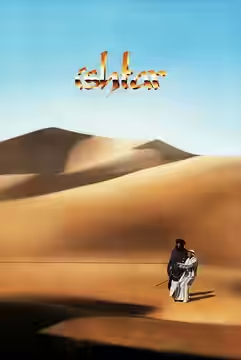
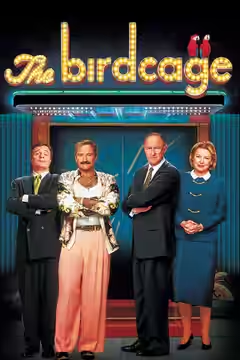
The two men in Ishtar sit at a piano and write a song. It is a bad song, the film knows it, and Elaine May leaves the camera on them anyway, so that we see the work going in as clearly as we hear what comes out. That is her subject, on the page and behind the camera: people who cannot manage the ordinary thing, watched by someone who will not look away. In The Birdcage a small social adjustment becomes an undertaking requiring professional help, and the joke is the size of the fuss set against the size of the problem.
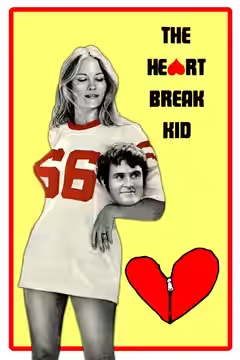
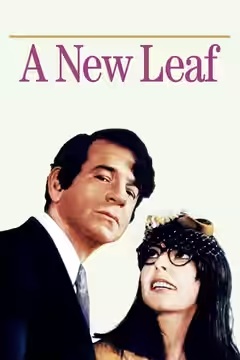
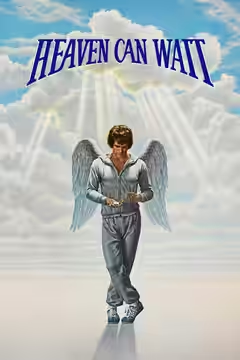
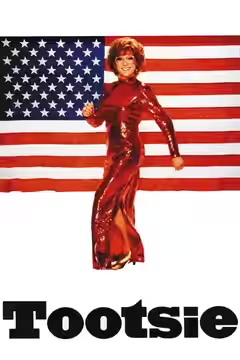
She came out of improvisation, with Mike Nichols at Chicago's Compass Players from 1955 and then as the double act Nichols and May into the early 1960s, and the habit stayed. As a director she let actors try things across many takes rather than hit marks. The films she wrote and directed in the 1970s, A New Leaf (1971), The Heartbreak Kid (1972) and Mikey and Nicky (1976), are the core of her reputation, and we have not reviewed them. She co-wrote Heaven Can Wait (1978) with Warren Beatty, directed Ishtar (1987), and then mostly wrote: credited work with Nichols on The Birdcage (1996) and Primary Colors (1998), and uncredited repairs on other people's comedies, Tootsie (1982) among them.
What she does well is a room. Her dialogue has a sharpness that survives a director softening it, which is more or less what Nichols does on The Birdcage, treating her lines with an affection for embarrassment that makes the film warm at some cost to the satire. Charles Grodin turns up in both Heaven Can Wait and Ishtar doing quiet, dry work, and both times he seems to know exactly what the writing wanted. We laughed at the songs in Ishtar and then felt protective of the men singing them, because May had filmed their effort as carefully as their failure, and that mixture of ridicule and tenderness is hers.
What she does less well is a plot. Ishtar is at its best when the two men are simply being bad at their profession, and the political intrigue keeps pulling them away from it. The Birdcage is slow to leave an embarrassment once it has found one, and too keen to keep everyone comfortable. Heaven Can Wait is gentle to a fault; we spent stretches of it waiting for it to get on. Across three scripts the pattern is the same: the scenes are better than the machinery that connects them.
She directed four features in sixteen years and none since Ishtar, after quarrels with studios over the cut that go back to A New Leaf. Start with Ishtar, for the songs and the friendship, and forgive it the desert. Then watch The Birdcage with company, and listen for the lines Nichols could not soften.
Biography
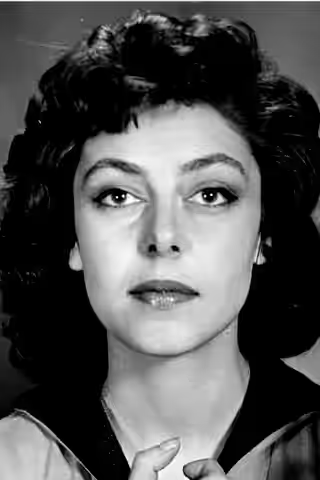
Elaine May is an American comedian, actress, writer and director. Born Elaine Iva Berlin on 21 April 1932 in Philadelphia, Pennsylvania, she moved to Chicago in the 1950s and became a founding member of the Compass Players improvisational theatre group.
She first gained recognition performing with Mike Nichols as the comedy duo Nichols and May, appearing in nightclubs, on Broadway and in recordings. May later wrote and directed films including A New Leaf (1971) and Mikey and Nicky (1976). She wrote screenplays for Heaven Can Wait (1978), The Birdcage (1996) and Primary Colors (1998), and appeared in films such as Small Time Crooks (2000). She has received a BAFTA Award and a Grammy Award.