An actor of the 1980s and 1990s who has spent two decades directing other people's television. On screen he brought a watchful edge to small parts; behind the camera he is the kind of director you are not meant to notice, and mostly do not.
Fi1m perspective
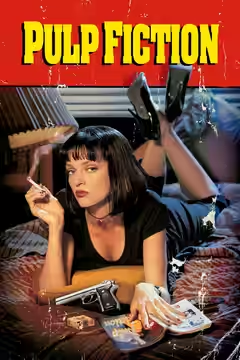
He is best known for a room he plainly wants everyone out of. In Pulp Fiction (1994) Eric Stoltz plays Lance, Vincent's dealer, whose living room becomes the setting for a syringe, a medical book and the film's most alarming few minutes. Stoltz does not play the scene for laughs. Lance is the one person present who understands how badly this can go, and he is angry about being asked to deal with it, which is exactly why it is funny. We watched it through our fingers and heard ourselves laughing at the same time, and a fair share of that laughter was his.
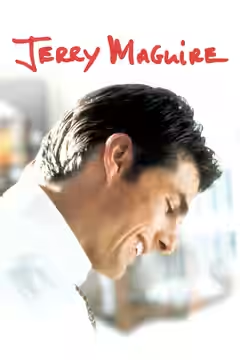
The part is typical. Stoltz has spent most of his acting life in supporting roles and brought more edge to them than the parts asked for. He began on television in the late 1970s, had a small role in Fast Times at Ridgemont High (1982) and then a lead in Mask (1985) as Rocky Dennis, and in the same year was taken off Back to the Future after five weeks because his serious reading of the part did not suit the comedy. That story has followed him, and it tells you something useful: he plays things straight even when the film around him is not. The 1990s were spent largely in independent films, The Waterdance (1992) among them, some of which he helped produce, and in five collaborations with Cameron Crowe. He never became the leading man the mid-1980s seemed to promise.
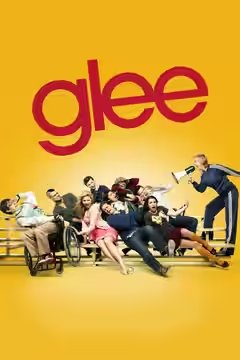
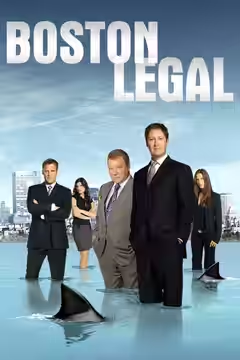
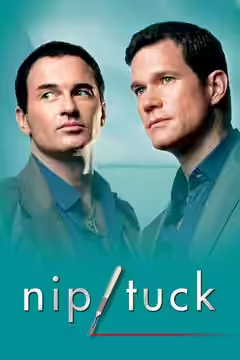
Around 2002 he changed jobs. Since then he has directed a great deal of other people's television: Grey's Anatomy, Boston Legal, Nip/Tuck (2003), a dozen episodes of Glee (2009), and Madam Secretary (2014), where he was producing director, directed more than ten episodes and acted as well. His own account of the method is an actor's. He storyboards every scene and sends out shot lists, and then, in his words, "I try to have fun and play with the actors and try to make discoveries without hiding behind video monitors." The preparation is for the camera; the openness is for the people in front of it.
Whether it works is hard to judge from the sofa, which is rather the point. Our review of Nip/Tuck, which we scored 70 and thought sharp for two seasons before it lost its nerve, does not mention its directors at all, and a director on a long-running series has done the job when nobody notices the joins. That is honourable work. It also leaves almost nothing you can point to and call his.
So the thing to point to is still Lance. Put Pulp Fiction on for the dinner date and what follows it, and watch the man in the living room who would rather none of this were happening. It is the clearest statement of what Stoltz does: he takes a scene seriously while the film is enjoying itself, and the scene is better for it.
Biography
Eric Stoltz is an American actor and director. He was born on 30 September 1961 in Whittier, California, and trained at the University of Southern California before studying acting in New York with Stella Adler and Peggy Feury.
He first appeared on screen in Fast Times at Ridgemont High (1982). Stoltz played Lance in Pulp Fiction (1994) and was nominated for an Independent Spirit Award for the role. Other film credits include Mask (1985), for which he received a Golden Globe nomination, Some Kind of Wonderful (1987), The Waterdance (1992), Killing Zoe (1994), Jerry Maguire (1996) and The Butterfly Effect (2004). He was originally cast as Marty McFly in Back to the Future (1985) before being replaced.
Stoltz has directed episodes of television series including Grey's Anatomy, How to Get Away with Murder and Madam Secretary.