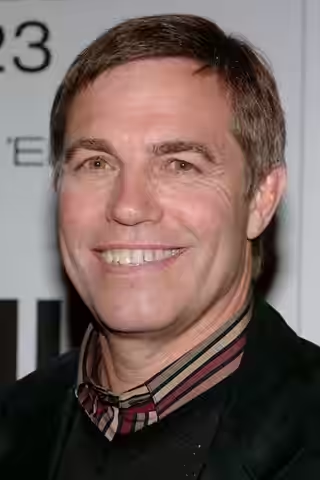
Ron Underwood's comedies work when a tough man is set down among talkers and the actors are left to do the work. With a strong cast and a thin script he is fine; with neither, as in Pluto Nash, nothing catches him.
Fi1m perspective
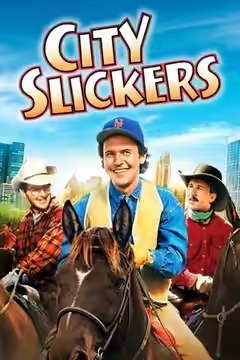
The best moments in a Ron Underwood film belong to a man who is not talking. In City Slickers (1991) Jack Palance's Curly Washburn sits on his horse and says almost nothing while Billy Crystal and his two friends complain their way across a cattle drive, and the silence makes every complaint funnier. Underwood knows the trick: put something solid beside something busy and let the contrast make the joke. He does not underline it. The script does, and the life lessons grow more insistent as the film goes on.
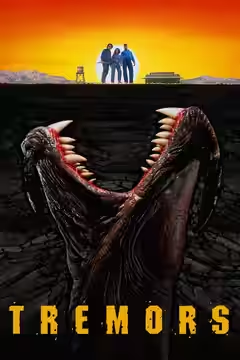
He came to features late, after more than a hundred educational films and a stretch in children's television, and the tidiness shows. Tremors (1990), his debut, is a monster film that keeps stopping to be funny, made with the writers Brent Maddock and S.S. Wilson, with whom he would make three films. City Slickers the following year is the one that made his name. Heart and Souls (1993), a bittersweet fantasy comedy, and Mighty Joe Young (1998), an effects-heavy remake, kept him where he is comfortable, which is comedy leaning on something from another genre. We have not reviewed either and will not judge them here.
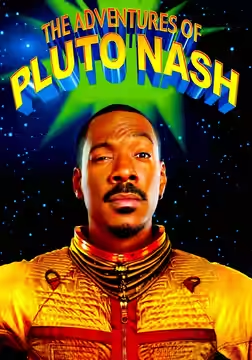
Then came The Adventures of Pluto Nash (2002), Eddie Murphy as a nightclub owner on the Moon dodging gangsters, and the method fails. We sat through it waiting for the setting to be used for anything, and it never was: the Moon is scenery and the gangsters are habit, and Neil Cuthbert's screenplay seems content to get everyone from one end of the plot to the other. Murphy is amiable, which is not the same as funny. Underwood keeps it moving, and moving is all it does.
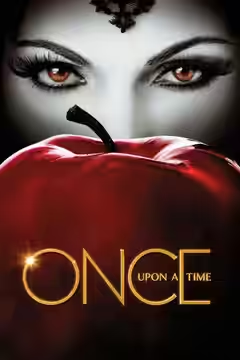
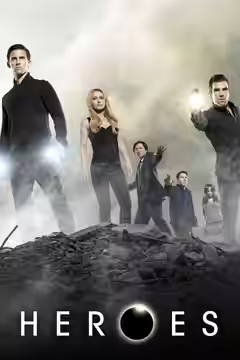
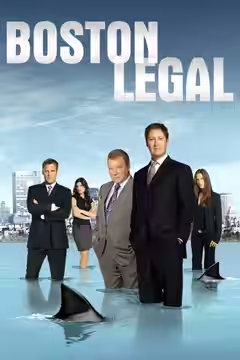
Since the mid-2000s he has worked almost entirely in television: Boston Legal (2004), Grey's Anatomy (2005), Heroes (2006), and later Once Upon a Time, Agents of S.H.I.E.L.D. and Fear the Walking Dead. Our reviews of the first three do not mention him, and that is not a slight. An episode director on an American network drama serves the show's look and the show's pace, and Underwood's episodes sit inside their series without a visible join. He was always a careful man with other people's material. Television is where that is the whole job, and he is still doing it.
He told the Baltimore Sun in 1991 that he wanted City Slickers to be "a heartfelt emotional adventure, something that was more than just funny, so people could learn a little more about life." We laughed at that film, and mostly at the man who was not trying to be funny; the learning is the part we would have cut. Give Underwood a Palance and he will know exactly where to stand him. The advice about living better he can keep.
Biography
Ron Underwood is an American film and television director. Born Ronald Brian Underwood on 6 November 1953 in Glendale, California, he studied at the University of Southern California School of Cinema-Television and completed an American Film Institute fellowship. He began his career directing educational films for Barr Films and children's television specials, including The Mouse and the Motorcycle (1986), which earned a Peabody Award.
Underwood made his feature-film debut with Tremors (1990), on which he also received story credit. He followed this with the commercial success City Slickers (1991). Subsequent films include Heart and Souls (1993), Speechless (1994) and Mighty Joe Young (1998). He co-founded Stampede Entertainment with collaborators Brent Maddock and S. S. Wilson.
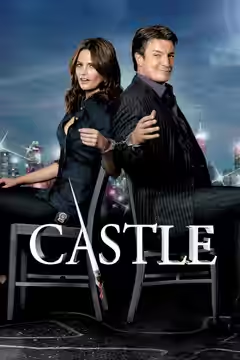
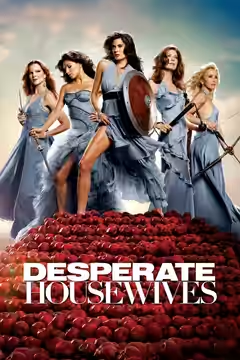
Underwood has directed numerous television episodes, including on Grey's Anatomy, Fear the Walking Dead, Marvel's Agents of S.H.I.E.L.D., Heroes, Once Upon a Time, Castle and Desperate Housewives.