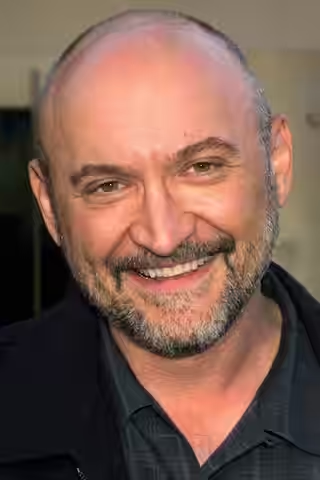
Frank Darabont earns the warmth of his dramas by giving friendships time to develop. We rate him for that patience and his handling of actors, with reservations about scripts that keep reminding us whom to admire.
Fi1m perspective
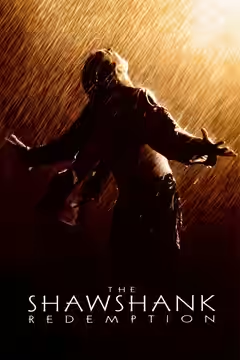
Tim Robbins holds himself carefully in The Shawshank Redemption (1994), making Andy Dufresne's composure look like something that requires effort. Frank Darabont gives him and Morgan Freeman's Red time to become friends. We were moved by the strain beneath Robbins's reserve: keeping himself together is a task he never seems able to put down. Darabont is a persuasive director of actors, particularly when he lets us notice that work without explaining its value.
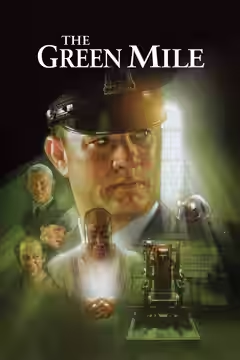
His early screenplays included A Nightmare on Elm Street 3: Dream Warriors (1987) and The Blob (1988). The move to The Shawshank Redemption brought Stephen King's writing into a prison drama whose chief interest was companionship. The Green Mile (1999) returned to King and another prison setting. After The Majestic (2001), The Mist (2007) took him back to horror.
On The Shawshank Redemption, editor Richard Francis-Bruce gives Robbins and Freeman enough time together for their friendship to feel credible. The length is largely earned because waiting becomes part of their lives, rather than a delay before the story can continue. Thomas Newman's score supports their warmth without drowning out the quieter acting. There are nevertheless passages where Darabont has already told us what to feel, and the music need not tell us again.
That insistence is our main reservation about him. His screenplay makes Andy so reliably admirable that we are sometimes left with little to discover, and the division between decency and cruelty is too tidy. Darabont is entitled to concentrate on survival rather than document every part of prison life. Even so, his reluctance to let us doubt these men makes their confinement seem simpler than it should. We would have liked him to trust the actors more.
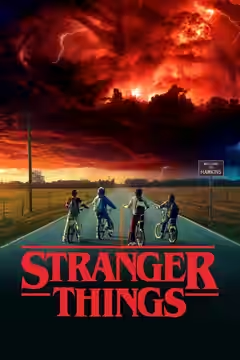
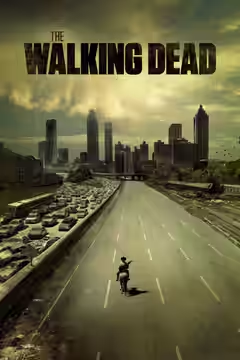
Television took him to The Walking Dead (2010), which he developed, and Mob City (2013), which he created. After more than a decade away from directing, he returned for two episodes of Stranger Things in 2025. Its directors maintain a consistent look and pace, though the programme's ever-expanding mysteries are not always worth the trouble. Start with The Shawshank Redemption, and forgive the moral instruction for the sake of Robbins and Freeman.
Biography
Frank Darabont is an American screenwriter, director and producer. He was born Ferenc Árpád Darabont on 28 January 1959 in Montbéliard, France, to Hungarian parents who fled Budapest after the 1956 uprising; the family moved to the United States when he was an infant and settled in Los Angeles.
Darabont began his career as a screenwriter on horror films including A Nightmare on Elm Street 3: Dream Warriors (1987) and The Blob (1988). He is known for directing and writing adaptations of Stephen King stories: The Shawshank Redemption (1994), The Green Mile (1999) and The Mist (2007). He developed and executive-produced the first season of the series The Walking Dead (2010). In 2025 he directed two episodes of the final season of Stranger Things.