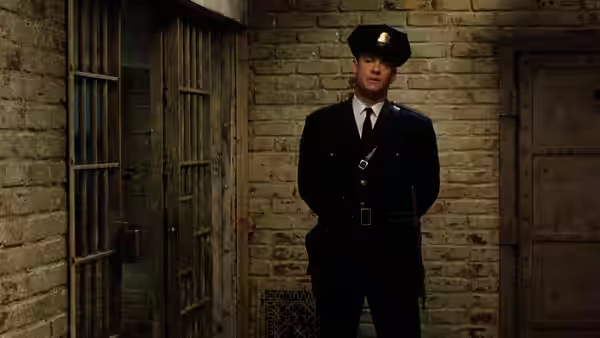
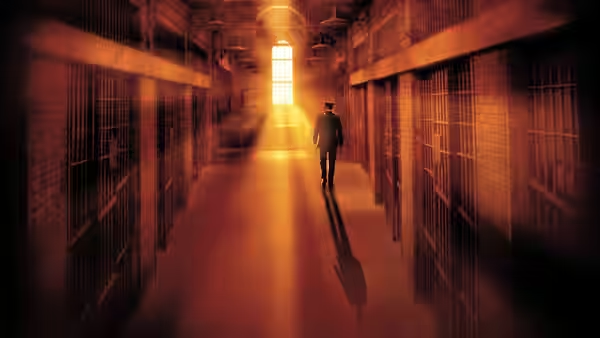
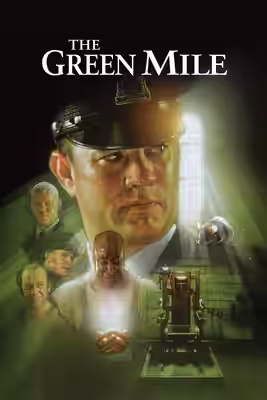
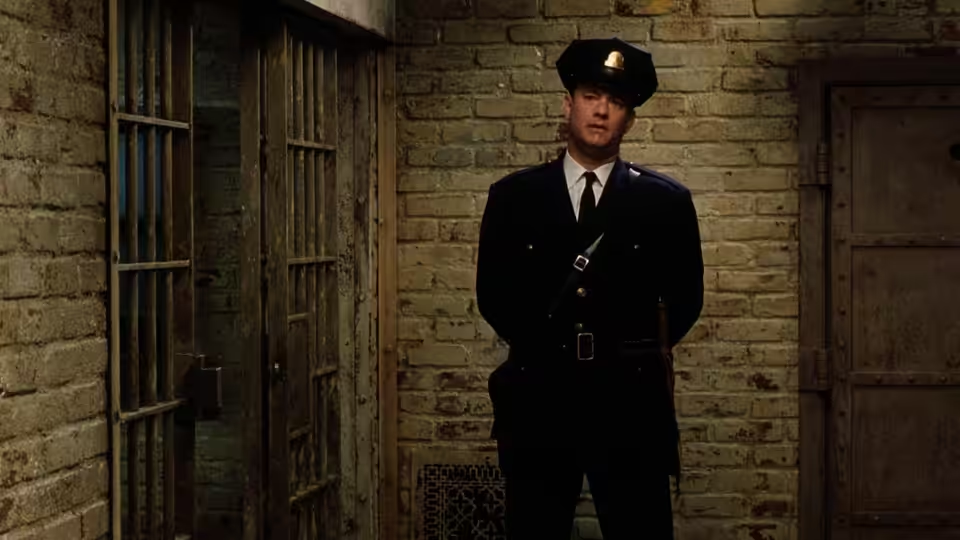
A prison guard stands with hands behind his back in a brick corridor
Film review

The Green Mile

1999 · Directed by Frank Darabont · 3h 09m · MPA R

In a sentenceMichael Clarke Duncan earns the tears long before the film stops asking for them

Tom Hanks plays Paul Edgecomb, a prison guard working on death row. Among the condemned men is John Coffey (Michael Clarke Duncan), whose imposing appearance contrasts with a gentle nature. As Paul comes to know him, the routines of imprisonment give way to questions about suffering, compassion and the possibility of miracles. Their relationship unfolds among the prisoners and staff, with David Morse, Michael Jeter and Doug Hutchison in the ensemble. Adapted by Frank Darabont from Stephen King’s novel, the story brings supernatural events into a prison drama about the people who administer punishment and those who face it.

Plays from YouTube when you press play; nothing loads from them until then.

Fi1m review

Frank Darabont’s prison fable earns much of its sentiment through Tom Hanks and Michael Clarke Duncan. Its length tests our patience, and its treatment of Coffey deserves more scrutiny than the storytelling allows.

The Green Mile is a good prison fable, moving enough to justify much of the time it asks for, though not all 189 minutes. Adapting Stephen King’s novel, writer-director Frank Darabont treats a condemned man’s capacity for goodness with complete seriousness. He asks us to accept the supernatural without losing sight of the people living and working on death row. That is a difficult combination, and the performances make it possible. Several stretches could be shorter without costing us much.

Hanks gives Paul Edgecomb the authority of someone accustomed to being listened to, without making his decency look like a special occasion. His restraint matters because Darabont gives the story plenty of chances to become solemn. Paul can hold our attention simply by attending to another person. The ensemble supports that unforced manner, giving the prison drama a convincing sense of people accustomed to each other’s company.

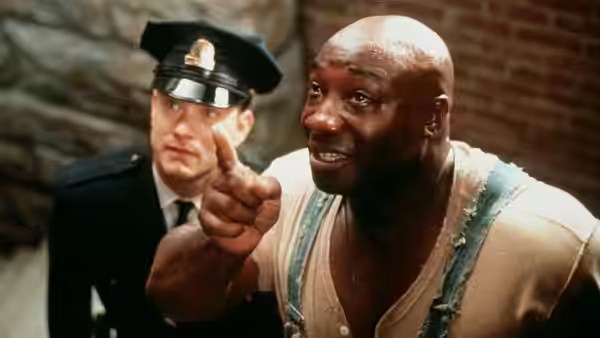
Michael Clarke Duncan, as inmate John Coffey, supplies the feeling that the more insistently sentimental passages cannot produce on their own. He makes the gentleness of this imposing man seem instinctive, without turning every scene into a demonstration of innocence. We were moved by the tenderness he brings to his scenes with Hanks. Duncan makes Coffey’s vulnerability credible, and their relationship keeps us involved when the surrounding story wanders.

Terence Marsh’s production design gives death row the familiarity of a workplace, a choice that makes the guards’ acceptance of it easier to understand. David Tattersall’s cinematography lends those surroundings a polish that is useful and slightly troubling. We can settle into this prison drama with remarkably little resistance. That helps Darabont sustain the long conversations, but it also softens a place whose purpose ought to trouble us. The prison’s reassuring appearance sometimes works against the story.

Richard Francis-Bruce’s editing gives the actors room, and the patient pace initially feels right for a story about learning to regard another person carefully. It becomes less defensible as the episodes accumulate, with the mouse business taking more of our attention than it earns. The humour is welcome, but the diversions delay a relationship already strong enough to carry the film. Thomas Newman’s score is effective at sustaining the melancholy. It is less helpful when the film is already making its appeal for sympathy at length.

The more serious reservation concerns Coffey himself. Darabont gives him immense moral value while leaving too little space for desires that do not serve Paul’s story. The racial stereotype is hard to ignore: a saintly prisoner whose extraordinary gift helps a troubled guard understand suffering. Duncan’s performance gives the character a humanity the writing too often takes for granted. Nor does the film’s division between decent people and plainly bad ones make for a searching account of how otherwise ordinary people live with capital punishment.

As prison dramas go, The Green Mile is unusually willing to spend time on affection and grief, and that patience remains its chief pleasure. The supernatural elements will require more indulgence from viewers who prefer the genre stripped of consolation. There is no need to accept all of Darabont’s moral reasoning to be affected by Hanks and Duncan. Choose it when there is time for a long, openly sentimental story, and patience for its detours.

Critical consensus AI synthesised

59
Positive
4
Mixed
6
Negative
3

The reviews are mixed, with praise clustering around the performances and Frank Darabont’s careful handling of the death-row setting. Tom Hanks and Michael Clarke Duncan draw particular approval, while several critics find the ensemble gives the supernatural story emotional weight. Even some sceptical accounts acknowledge the meticulous craft, and the more favourable reviews value the stillness and unhurried storytelling that allow the relationships to develop.

The disagreement is substantial: the same patience that involves some critics leaves others finding three hours excessive for a simple fable. RogerEbert.com regards the length as allowing the story to develop fully, while less persuaded reviews fault the episodic structure, heavy symbolism and insistent sentimentality. Reservations also extend to racial stereotypes and easily sorted good and bad characters. The Guardian offers the sharpest rejection, finding the death-row drama saccharine and its racial politics patronising, rather than sharing other critics’ response to its emotional appeal.

RogerEbert.com
10 December 1999 · ★★★½/4 · Roger Ebert
88

The critic finds the film involving and well-acted, praising its patient storytelling and strong performances, especially by Tom Hanks and Michael Clarke Duncan, while noting its length allows the story to develop fully.

Read the full review →
Total Film
3 March 2000 · ★★★★
80

Darabont's old-fashioned approach yields powerful, funny, mystical and moving results with standout ensemble acting and effective stillness, though it falls short of Shawshank levels due to episodic structure and minor flaws.

Read the full review →
Empire
1 January 2000 · Ian Nathan
75*

Darabont delivers a polished, confident adaptation with strong performances and meticulous direction, though it lacks the profundity and nourishment of Shawshank Redemption and feels overly long.

Read the full review →
The New York Times
10 December 1999 · Janet Maslin
70*

The review notes the film's unhurried three-hour length can feel excessive but praises its ability to immerse viewers in the death-row setting and strong ensemble performances despite some talky stretches.

Read the full review →
Sight and Sound
· Rob White
65*

The review highlights the film's focus on grief, moral evasion, and the bond between Tom Hanks's guard and Michael Clarke Duncan's healer on death row. It praises Duncan's performance and the melancholy tone while critiquing reliance on racial stereotypes.

Read the full review →
Variety
29 November 1999 · Todd McCarthy
65*

The critic calls the film intermittently powerful and meticulously crafted but faults its considerable over-length and simplistic notions, noting it has prestige appeal but mixed commercial prospects.

Read the full review →

Straight answers AI written, from our review

Is The Green Mile worth watching?
The Green Mile is worth watching for anyone with a spare evening and patience for a long, openly sentimental prison fable, and we scored it 73. Tom Hanks and Michael Clarke Duncan earn most of the feeling between them. At 189 minutes the detours test patience, and the film leans on a saintly stereotype in Coffey that Duncan's performance has to redeem.
How long is The Green Mile, and what is it rated?
The Green Mile runs 3h 09m and is rated R by the MPA in the US. It is a fantasy and drama film.
Where can I watch The Green Mile in the US?
The Green Mile is available to rent from Amazon Prime Video and Apple TV from $5.99. Availability is checked daily; the links above go straight to each service.
How violent or frightening is The Green Mile, and is it suitable for children?
The Green Mile carries an 18 certificate in the UK and an R in the US, so it is not for children. It is a death-row drama with supernatural elements, and it takes suffering, punishment and cruelty seriously rather than glancingly. Older teenagers used to adult drama may cope; the squeamish should expect the certificate to mean what it says.
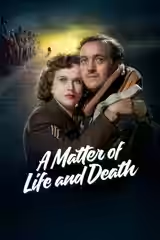
How does The Green Mile compare to A Matter of Life and Death?
The Green Mile is the darker, longer and more insistently sentimental of the two, while A Matter of Life and Death is funnier, lighter on its feet and easier to recommend to almost anyone. Both are patient fantasies that argue for mercy through ordinary attachment. Choose the Powell and Pressburger film for warmth and colour; choose Darabont's when you want grief given room.
Is The Green Mile based on a true story or a book?
The Green Mile is based on a novel by Stephen King, not on a true story, and its supernatural events make that plain. Writer-director Frank Darabont adapts it with complete seriousness, treating a condemned man's goodness as fact rather than metaphor. No knowledge of the book is needed; the film stands on Hanks and Duncan rather than on fidelity.
What should I watch after The Green Mile?
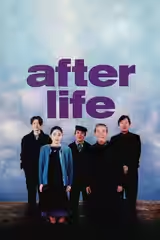
After The Green Mile, try A Matter of Life and Death (1946, Fi1m 92): Another patient fantasy that makes a case for mercy through ordinary human attachment. Then After Life (1998, Fi1m 85): A quieter supernatural story, equally concerned with what makes a life matter; and Dead Man Walking (1995, Fi1m 84): For a less comforting examination of compassion, responsibility and the death penalty.

Cast

Awards

Academy Awards, 2000

Nominated
Best Picture
Nominated
Best Sound
Nominated
Best Supporting Actor
Nominated
Best Writing, Adapted Screenplay

If you liked this, try…

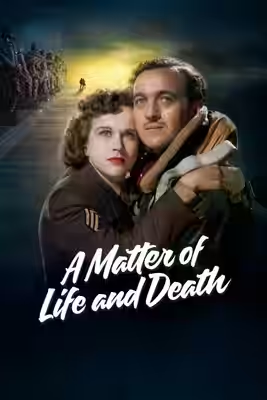
  1. A Matter of Life and Death (1946, Fi1m 92)Another patient fantasy that makes a case for mercy through ordinary human attachment.

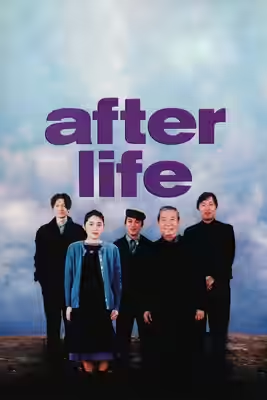
  2. After Life (1998, Fi1m 85)A quieter supernatural story, equally concerned with what makes a life matter.

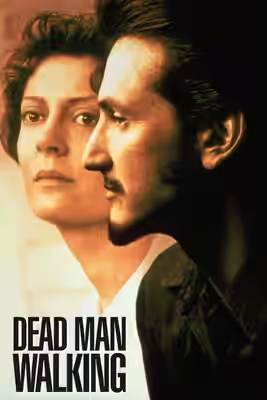
  3. Dead Man Walking (1995, Fi1m 84)For a less comforting examination of compassion, responsibility and the death penalty.

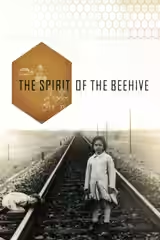
  4. The Spirit of the Beehive (1973, Fi1m 87)A child’s encounter with a screen monster finds tenderness beneath fear.

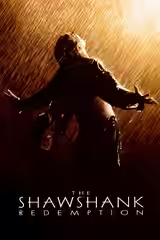
  5. The Shawshank Redemption (1994, Fi1m 84)Darabont adapts King with similar warmth and a less meandering prison story.

Free account

Know what to watch tonight

Two lists that know where things are streaming, collections you can share, your own score beside ours, and Discover that remembers what you have seen.

  • Want to see, sorted by what is streaming now
  • Seen, with your score out of ten
  • No adverts, ever